Secretos para conseguir una limpieza primaveral en casa.

En este artículo te contamos consejos para elegir el outfit ideal.

Elegant Evening Dresses: Discover the Perfect Style for Every Occasion

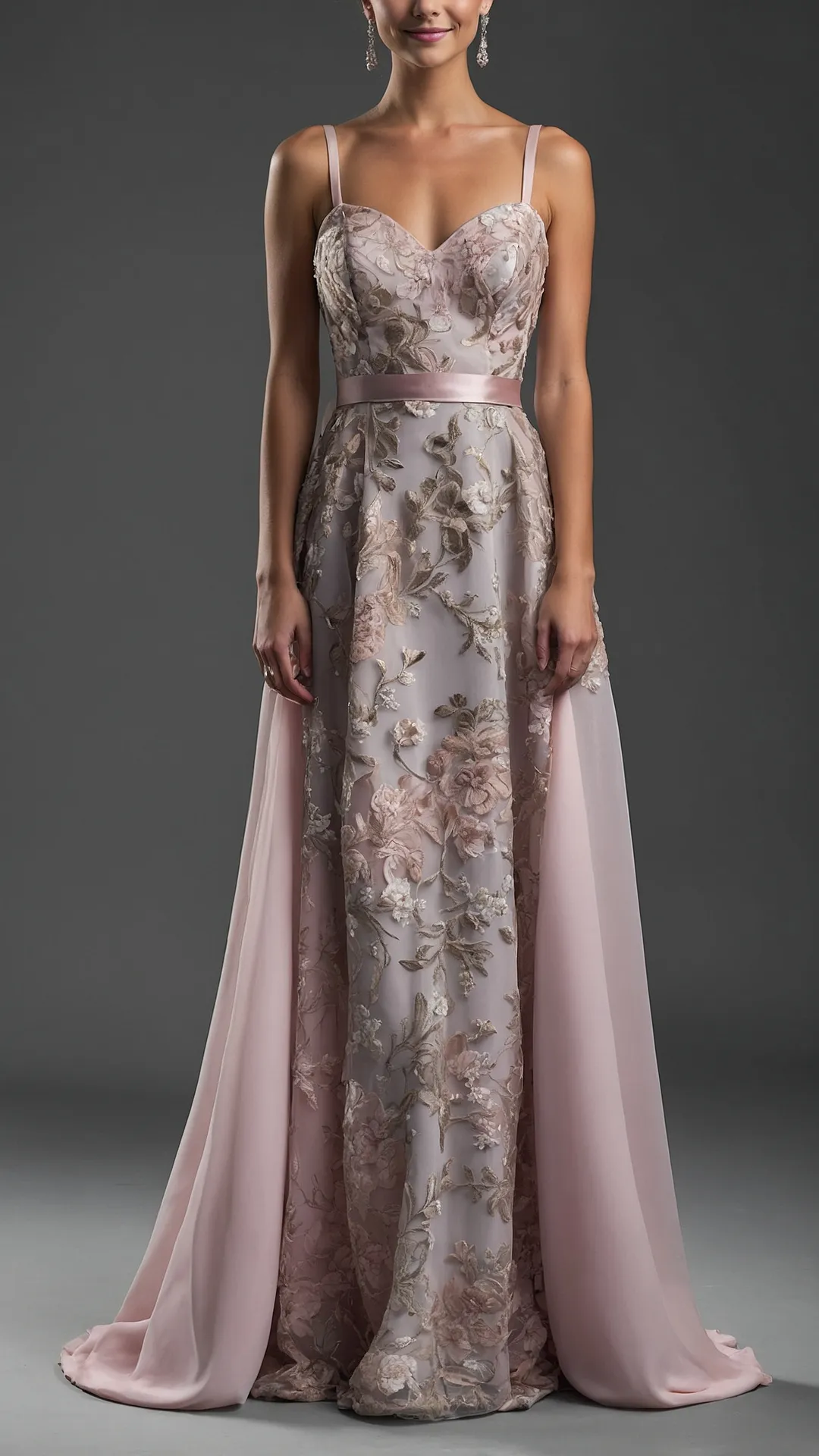
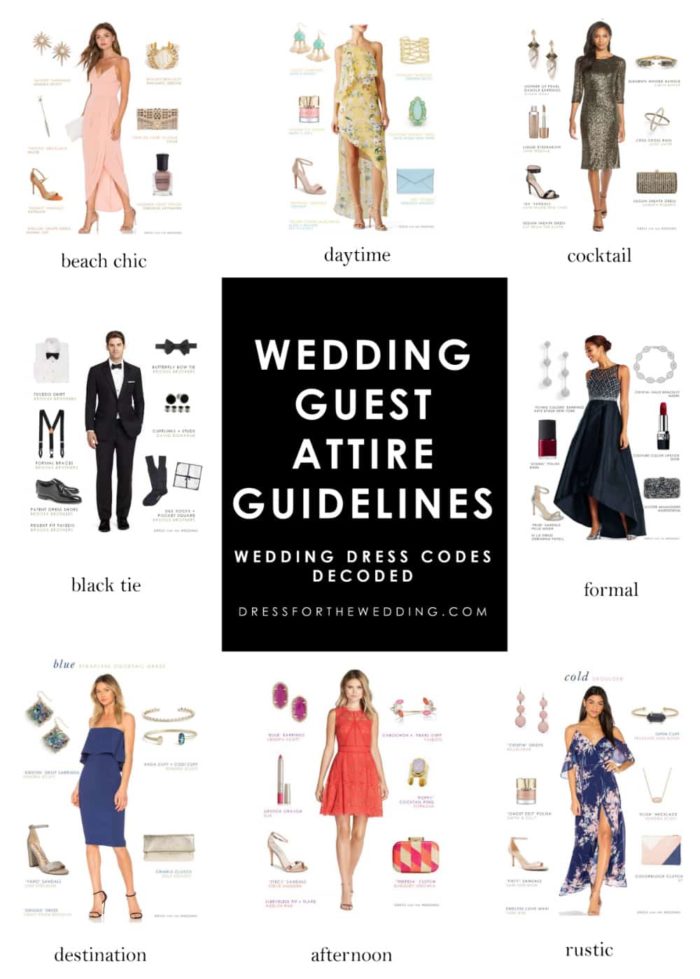
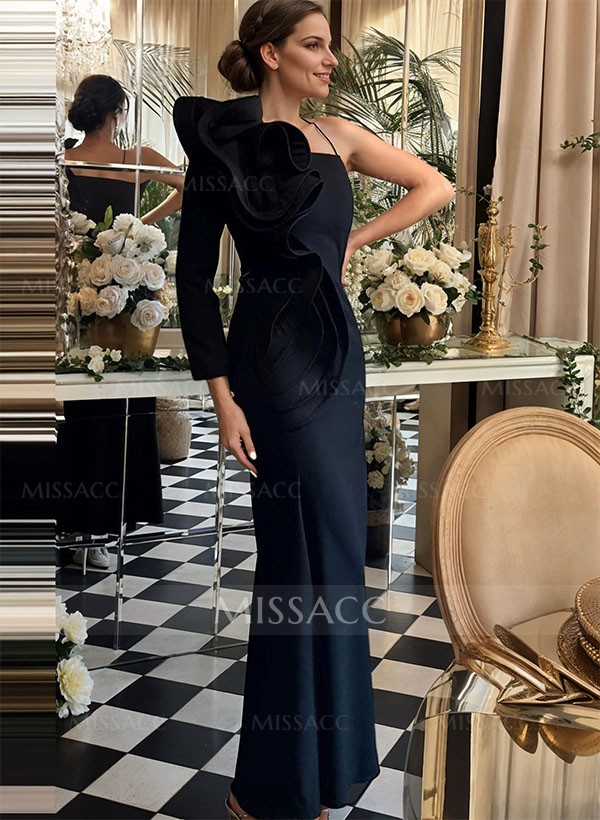
Para una gala formal, opta por un vestido largo con detalles de encaje o pedrería. Los tonos oscuros como el azul marino o el burdeos son opciones sofisticadas que nunca pasan de moda. Si prefieres un toque más moderno, considera un diseño asimétrico que resalte tu figura.

En eventos semi-formales, un vestido midi con estampados florales puede ser una elección encantadora. Combínalo con accesorios minimalistas y un par de tacones elegantes para un look equilibrado. Los colores pastel son perfectos para la primavera y el verano, mientras que los tonos más profundos funcionan bien en otoño e invierno.

Para ocasiones más informales, un vestido corto con un corte A puede ser ideal. Busca opciones con mangas o detalles únicos que aporten un aire fresco. Los tejidos ligeros y fluidos son perfectos para mantener la comodidad sin sacrificar el estilo.

Recuerda que la elección del calzado y los accesorios puede transformar completamente tu atuendo. Unos pendientes llamativos o un clutch elegante pueden añadir ese toque final que hará que tu look sea inolvidable.

Choosing the Right Fabric for Your Evening Dress

Selecciona la opción más adecuada material de acuerdo a la ocasión y tu gusto. Las elecciones populares incluyen:

  • : Ideal para eventos formales, ofrece un esplendor sutil.
  • : Añade un delicado y puede combinarse con otros materiales.
  • : Perfecto para climas más bajos, ofrece calidez y distinción.

Considera el grosor para el

Considera adicionalmente el cuerpo. Las opciones fluidas resultan favorables para cuerpos curvilíneos, mientras que las materiales más estructurados pueden ser mejores para siluetas menos marcadas.

La elección flores de interior tonalidad y textura igualmente tiene un rol importante. Colores oscuros tienden a ser más elegantes, mientras que los vivos podrían destacar en celebraciones más informales.

Finalmente, nunca olvides la sensación al usar la elección. Verifica de que tu tela permita libertad y se sienta bien durante todo del acto.

en la

Understanding Different Fabric Types

Understanding Different Fabric Types

La luz también

La seda es una elección popular debido a sus su suavidad y transpirabilidad. Perfecto para usar en climas cálidos, se ajusta bien a varios estilos.

El satén brinda un acabado lujoso y es perfecta en ocasiones especiales. El resplandor y su livianidad la convierten en una elección predilecta.

La mezcla de poliéster resulta duradera y de bajo mantenimiento. Perfecto en modelos que necesitan menor atención en el lavado.

El tejido de lana resulta cálido y adecuado en climas fríos. Su aislamiento la hace en una opción excelente en temporadas más frías.

poliéster, pueden ser menos cómodas

Las combinaciones de diferentes tejidos pueden ofrecer lo mejor de ambos mundos. Como ejemplo, una combinación de ofrece comodidad y durabilidad.

How Fabric Affects Comfort and Fit

La elección de la tela es fundamental para garantizar una experiencia placentera. Opta por materiales como el algodón o la seda, que ofrecen transpirabilidad y suavidad. Las telas sintéticas, como el poliéster, pueden ser menos cómodas, especialmente en climas cálidos.

Considera la elasticidad de la tela. Las mezclas con elastano permiten mayor libertad de movimiento, mientras que las telas rígidas pueden restringir el movimiento. Esto es crucial para eventos donde se requiere comodidad durante largos períodos.

  • Algodón: Ideal para climas cálidos, suave y transpirable.
  • Seda: Lujosa y ligera, se adapta bien al cuerpo.
  • Poliéster: Duradero, pero puede ser menos cómodo en calor.
  • Mezclas con elastano: Proporcionan flexibilidad y ajuste.

La textura también influye en la percepción de comodidad. Las telas suaves al tacto, como la gasa, son preferibles para un ajuste más agradable. Evita telas ásperas que puedan causar irritación.

El grosor de la tela afecta la caída y el ajuste. Las telas más pesadas, como el terciopelo, ofrecen una silueta estructurada, mientras que las más ligeras, como el chiffon, permiten un movimiento fluido.

  1. Selecciona telas que se adapten a la temporada.
  2. Prueba diferentes texturas para encontrar la más cómoda.
  3. Considera el grosor para el tipo de evento.

Finalmente, asegúrate de que la tela elegida se ajuste a tu tipo de cuerpo. Algunas telas se adaptan mejor a ciertas siluetas, lo que puede realzar tu figura y proporcionar un ajuste más favorecedor.

Seasonal Fabric Recommendations

Para la otoño, el tejidos fluidos son perfectos a eventos informales. La seda ofrece comodidad y elegancia sin necesidad de sacrificar su estética.

En el otoños, los tejidos más cálidos tales como el terciopelo son perfectos en eventos formales. Dichos tejidos ofrecen calidez y un apariencia refinado.

Para las veladas en primavera, los tejidos como el seda son excelentes por su respirar y mantener su frescura. Elegir opciones de tonos brillantes podría realzar su estilo.

Durante las eventos en otoño, las materiales más tales como el terciopelo resultan ideales en proteger su calor. Elegir colores oscuros podría agregar una matiz a elegancia.

Finding the Perfect Color for Your Skin Tone

Para pieles claras, tonos suaves como el lavanda son ideales. No elijas colores oscuros que pueden opacar tu brillo natural.

Las personas con piel media pueden optar por colores como el coral. Estos tonos complementan la calidez de la piel.

Para pieles más oscuras, los tonos joya como el rubí son perfectos. Ofrecen un contraste atractivo y destacan la belleza natural.

Es clave tomar en cuenta el subtono de la piel. Para subtonos cálidos, los tonos dorados son ideales. Para subtonos fríos, los tonos fríos son preferibles.

Tipo de piel Colores recomendados
Piel clara Rosa pálido, azul claro, lavanda
Piel media Coral, verde esmeralda, azul marino
Piel oscura Rubí, esmeralda, azul cobalto

Prueba diferentes tonos y nota cómo cambian tu apariencia. La luz también puede modificar la percepción del color, así que no olvides probar en diferentes condiciones de luz.

Identifying Your Skin Undertone

Para determinar tu tono de piel, observa las venas en tu muñeca. Si son azules, tu subtono es fría. Si son oliva, tu subtono es cálido. Si no puedes decidir, es posible que tengas un subtono neutral.

Otra técnica es el test del accesorios de plata cerca de tu rostro. Si el metal plateado te favorece, tu subtono es fría; si el metal dorado te queda mejor, es cálido.

La evaluación del papel también es útil. Coloca un pedazo de papel blanco cerca de tu cara. Si tu piel se ve amarillenta, eres cálido; si se ve rojiza, eres frío.

Considera también cómo reacciona tu piel al sol. Si te bronceas fácilmente, es probable que tengas un subtono cálido; si te quemas, es más probable que seas fría.

Finalmente, observa los colores que te hacen sentir mejor. Los tonos terrosos suelen favorecer a los subtonos cálida, mientras que los colores frías son ideales para los subtonos fría.

Color Trends for Evening Wear
Color Trends for Evening Wear

Los tonos oscuros como el verde esmeralda son preferidos para ocasiones especiales. Estos colores ofrecen un aire de sofisticación que es clásico.

Los tonos metálicos como el bronce son llamativos en atuendos de noche. Incorporar accesorios en colores metálicos puede realzar el aspecto.

Los pasteles como el lavanda resultan perfectos para ocasiones diurnas. Dichos colores aportan un sentido de alegría a cualquier elección.

El color negro siempre es una elección clásica. Junto con detalles en colores brillantes, puede un look memorable.

Los diseños florales también están en moda, especialmente en colores intensos que ofrecen un equilibrio llamativo. Elegir un vestido con diseños ayuda a destacar la unicidad de quien lo lleva.

How to Use Accessories to Complement Your Dress Color

Elige joyas que contrasten con el tono de tu atuendo. Por poner un ejemplo, si llevas un vestido azul, opta por accesorios dorados o plateados que resalten.

Los bolsos deben ser de un color que complemente, no que compita. Un bolso nude o en tonos pastel puede ser ideal para un vestido oscuro.

Los zapatos son clave; si tu vestido es de un color sólido, considera calzado en tonos metálicos o con estampados sutiles para añadir interés.

Los pañuelos o bufandas pueden aportar un toque de color adicional. Si tu atuendo es monocromático, un pañuelo de un color brillante puede ser un acento atractivo.

Los cinturones pueden definir la cintura y añadir un toque de estilo. Un cinturón en un tono que contraste puede hacer que un vestido simple se vea más elaborado.

Las gafas de sol o sombreros pueden ser accesorios funcionales y de moda. Asegúrate de que los colores se armonicen con tu atuendo general.

¿Qué es mejor? Un robot aspirador, una aspiradora o una escoba eléctrica.

Recuerda que menos es más; elige uno o dos accesorios destacados para evitar sobrecargar tu look. La clave está en la armonía de colores y texturas.

Vídeo:

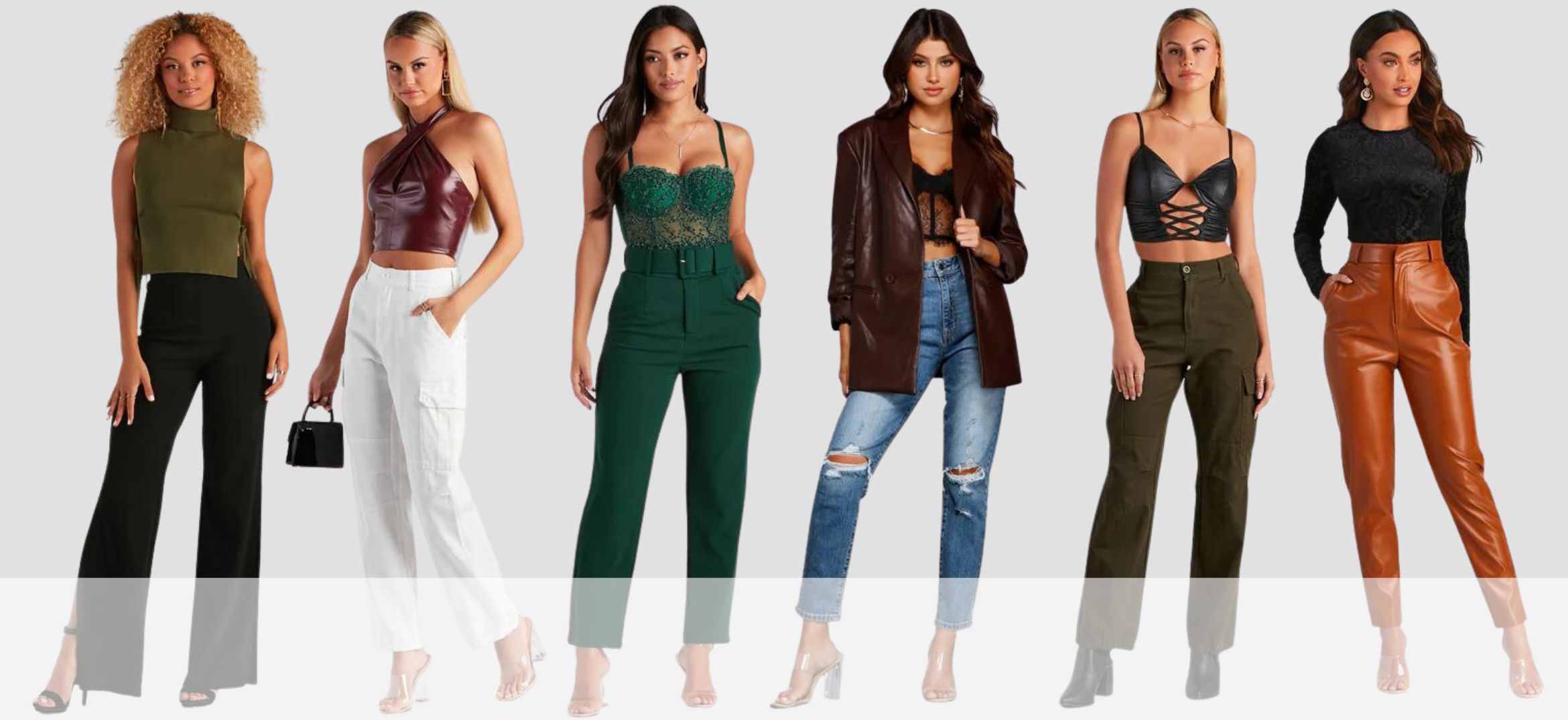
En esta guía te compartimos consejos para combinar el outfit ideal.

Current Women's Fashion Trends: What's In Style Today

Opta por prendas de gran tamaño, como chaquetas y abrigos, que aportan un aire desenfadado y cómodo a cualquier atuendo. Los tonos neutros y los estampados sutiles son ideales para combinar con otras piezas, creando un look equilibrado y moderno.

Incorpora accesorios llamativos, como cinturones anchos y joyas de gran tamaño, que pueden transformar un conjunto sencillo en algo extraordinario. Los bolsos de mano estructurados también están en auge, ofreciendo tanto funcionalidad como estilo.

Los tejidos sostenibles están ganando popularidad, así que considera elegir marcas que priorizan la ética en su producción. Las prendas de algodón orgánico y lino no solo son amigables con el medio ambiente, sino que también ofrecen comodidad y frescura.

tu atuendo reflejará tu personalidad

Las faldas midi y los pantalones de tiro alto son opciones versátiles que se adaptan a diversas ocasiones. Combínalos con blusas ajustadas o camisetas básicas para un look equilibrado y chic.

Finalmente, no subestimes el poder de los colores vibrantes. Los tonos saturados, como el verde esmeralda y el azul cobalto, están en auge y pueden añadir un toque de energía a tu guardarropa.

Key Trends in Women’s Fashion for 2023

Los trajes de dos piezas son tendencia este año, brindando versatilidad y frescura. Elige tonos suaves para una apariencia sofisticado.

Los diseños florales vuelven con fuerza, notablemente en vestidos. Combina estampados y prendas neutros para un contraste llamativo.

Las texturas ecológicos cobran importancia en la moda, fomentando una sensibilidad ambiental. Investiga etiquetas que utilicen materiales reciclados.

Los complementos de gran tamaño se han convertido en indispensables. Pendientes voluminosos y bolsos espaciosos aportan un matiz atrevido a cualquier atuendo.

Tendencia Descripción
Conjuntos de dos piezas Comodidad y elegancia en un solo look.
Estampados florales Regreso de los diseños vibrantes en blusas y vestidos.
Tejidos sostenibles Materiales ecológicos que promueven la conciencia ambiental.
Accesorios oversized Pendientes y bolsos de gran tamaño que destacan.

Bold Colors: How to Incorporate Vibrant Hues into Your Wardrobe

Para añadir tonos intensos a tu vestuario, considera combinaciones de matices que contrasten. A modo de ejemplo, una camisa roja puede verse espectacular con jeans azules. No temas a mezclar tonos inesperados, como naranja con turquesa.

Accesorios son una manera fácil de incorporar huesos llamativos. Un bolso de color brillante o calzado en un tono audaz pueden cambiar un outfit sencillo en algo notable.

Las capas también son efectivas para introducir tonos vivos. Un abrigo de tonalidad intensa sobre una camiseta neutra puede crear un aspecto equilibrado y atractivo.

Considera prendas con patrones que contengan colores brillantes. Un vestido con motivos coloridos puede ser el centro de tu atuendo, permitiendo que el resto de la ropa sea más discreta.

Finalmente, recuerda que el maquillaje también puede reflejar tu elección de colores. Un labial intenso puede unir todo el conjunto y añadir un toque de carácter.

Oversized Silhouettes: Styling Tips for Comfort and Chic

Opta por prendas de gran tamaño que se ajusten a tu figura, como blusas sueltas o chaquetas amplias. Estas piezas no solo ofrecen comodidad, sino que también aportan un aire desenfadado a tu atuendo.

Combina una camiseta oversized con unos pantalones ajustados para equilibrar la silueta. Este contraste crea un look armonioso y estilizado.

  • Elige tejidos ligeros y transpirables para mantener la frescura.
  • Incorpora capas, como un abrigo largo sobre un vestido fluido, para añadir dimensión.
  • Utiliza accesorios minimalistas, como collares delicados o pendientes pequeños, para no sobrecargar el conjunto.

Los zapatos son clave; opta por zapatillas deportivas o botines para un toque moderno. Evita los tacones altos, ya que pueden romper la estética relajada.

Experimenta con colores neutros y patrones sutiles. Los tonos tierra o pasteles son ideales para un look equilibrado y sofisticado.

  1. Prueba con un cinturón para definir la cintura y dar forma a la silueta.
  2. Combina diferentes texturas, como mezclilla con lana, para un efecto visual interesante.
  3. Juega con las proporciones; una prenda oversized en la parte superior puede ser complementada con una falda corta o pantalones cortos.

Recuerda que la confianza es clave. Lleva lo que te haga sentir cómoda y segura, y tu atuendo reflejará tu personalidad.

Sustainable Fashion: Choosing Eco-Friendly Brands

Opta por marcas que utilizan materiales orgánicos y reciclados, como Patagonia y Eileen Fisher. Estas empresas se comprometen a reducir su huella ambiental mediante prácticas responsables.

Investiga sobre la transparencia de las marcas. Busca aquellas que proporcionan información clara sobre su cadena de suministro y procesos de producción, como Reformation y Everlane.

Considera la durabilidad de las prendas. Elige ropa de alta calidad que resista el paso del tiempo, evitando así el consumo excesivo. Marcas como People Tree ofrecen opciones sostenibles y duraderas.

Apoya a diseñadores locales que utilizan técnicas artesanales y materiales sostenibles. Esto no solo promueve la economía local, sino que también reduce el impacto ambiental del transporte.

Explora opciones de segunda mano. Tiendas como ThredUp y Depop permiten encontrar prendas únicas y reducir el desperdicio textil.

tu elección de colores

Infórmate sobre las certificaciones ecológicas. Busca etiquetas como Global Organic Textile Standard (GOTS) o OEKO-TEX que garantizan prácticas sostenibles en la producción.

alto para un resultado equilibrado

Participa en iniciativas de intercambio de ropa. Estas actividades fomentan la reutilización y permiten renovar el guardarropa sin generar nuevos residuos.

Statement Accessories: Elevating Outfits with Unique Pieces

Incorpora pendientes llamativos para transformar un atuendo sencillo en algo extraordinario. Opta por piezas que resalten tu personalidad y agreguen un toque especial.

  • Los collares de declaración pueden convertirse en el punto focal de tu look. Encuentra diseños con formas geométricas que capturen la atención.
  • Los pendientes oversized son perfectos para complementar un peinado recogido. Selecciona colores vibrantes o metales brillantes.
  • Las pulseras apiladas ofrecen una opción versátil. Mezcla diferentes texturas y estilos para un efecto dinámico.

Considera incorporar un sombrero llamativo o un cartera de diseño único. Estos elementos tienen el potencial de elevar cualquier conjunto básico.

  1. Escoge un sombrero de ala ancha o un beanie con estampados.
  2. Opta por un bolso estructurado en un color contrastante.

solo son

Recuerda que la clave está en equilibrar las piezas. Evita saturar el atuendo; elige uno o dos accesorios que realmente hablen por sí mismos.

Layering Techniques: Mastering the Art of Fashion Layers

Para lograr un look sofisticado, familia combina textiles finos con capa exterior que añadan profundidad. Opta por camisetas de tonos suaves como base, y añade un cárdigan en la parte superior.

Utiliza bufandas como accesorios para dar textura. Las bufandas largas pueden ser diseñadas de diferentes maneras, creando nudos que aportan carácter.

Incorpora ropa de distintas medidas para jugar con la silueta. Por ejemplo, combina una camiseta cropped con jeans de tiro alto para un resultado equilibrado.

Elige texturas contrastantes para diversificar el atuendo. Mezcla seda con denim para construir un outfit atractivo y llamativo.

Finalmente, no olvides las botas. Opta por zapatos de plataforma que sean acordes a la paleta de colores de tu atuendo. La elección del calzado puede alterar completamente la imagen final.

Footwear Trends: What Shoes Are Must-Haves This Season

Las botas de combate son imprescindibles este periodo. Su diseño robusto y versatilidad las convierte en una opción ideal para cualquier atuendo. Combínalas con pantalones ajustados o faldas midi para un look equilibrado.

Los zapatillas deportivas de estilo retro están en auge. Opta por modelos con colores vibrantes y detalles llamativos. Son perfectas para un look casual y cómodo, ideales para el día a día.

para una apariencia

Las sandalias de plataforma regresan con fuerza. Este calzado no solo añade altura, sino que también proporciona comodidad. Úsalas con vestidos fluidos o pantalones cortos para un aire relajado.

Los zapatos de tacón cuadrado son una opción elegante y práctica. Su diseño permite mayor estabilidad, lo que los hace perfectos para ocasiones formales. Combínalos con trajes sastre o vestidos ajustados.

Las botas de vaquero están de vuelta. Este calzado aporta un toque bohemio a cualquier conjunto. Úsalas con jeans de tiro alto o falda larga para un look desenfadado.

Vídeo:

En esta guía te mostramos inspiración para que puedas elegir el outfit ideal.

Discover the Latest Dress Styles: A Comprehensive Guide to Dress Cuts and Designs

Para un look moderno, considera optar por siluetas ajustadas que realzan la figura. Los modelos de corte lápiz son ideales para ocasiones formales, mientras que los diseños de corte A ofrecen comodidad y elegancia para eventos casuales.

Los escotes en V y redondos son opciones versátiles que se adaptan a diferentes tipos de cuerpo. Si estás buscando algo más atrevido, los escotes asimétricos pueden añadir un toque único a tu atuendo.

Los estampados florales y geométricos están en auge, aportando frescura a cualquier conjunto. Combina estos patrones con accesorios sencillos para mantener el equilibrio en tu apariencia.

Los tejidos ligeros como el algodón y la seda son perfectos para climas cálidos, mientras que las mezclas de lana y poliéster son ideales para temporadas más frías. No olvides considerar la longitud: los modelos midi son perfectos para un look sofisticado, mientras que los maxi ofrecen un aire bohemio.

Understanding Dress Cuts

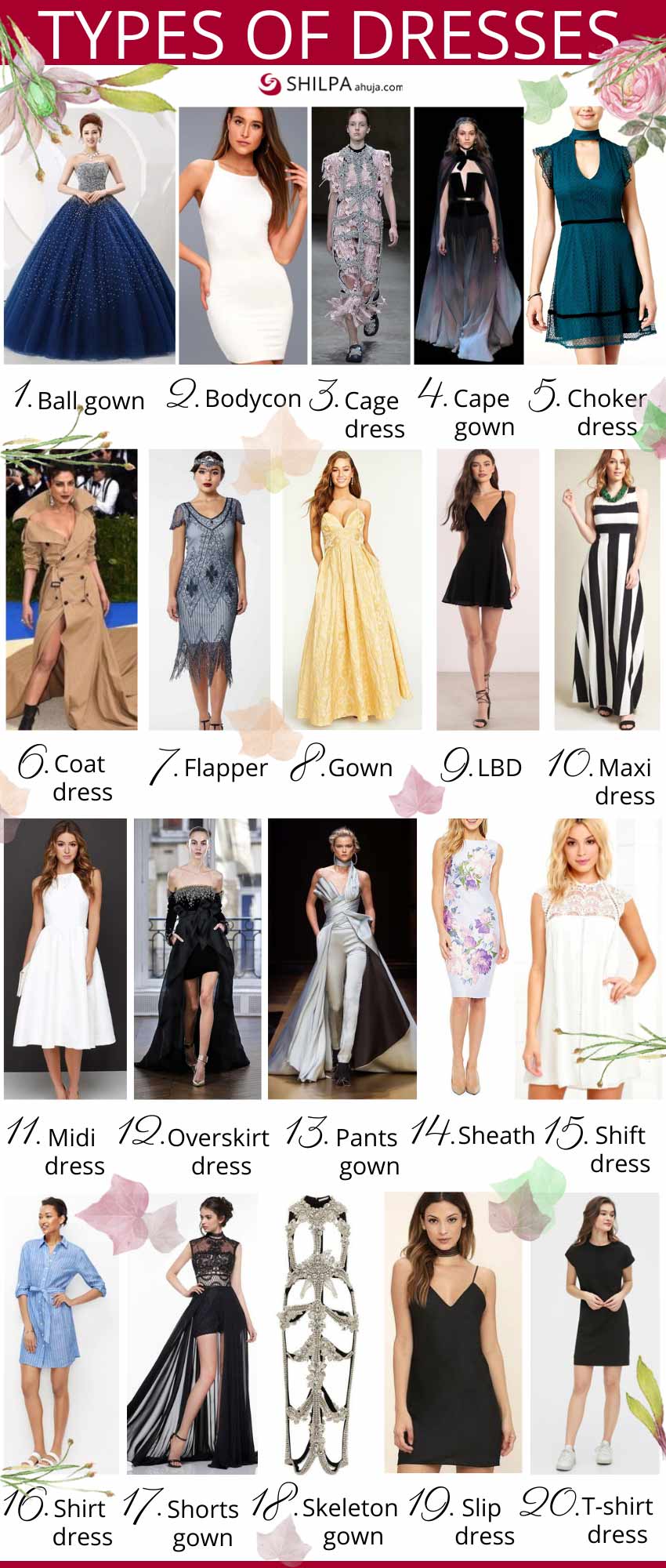
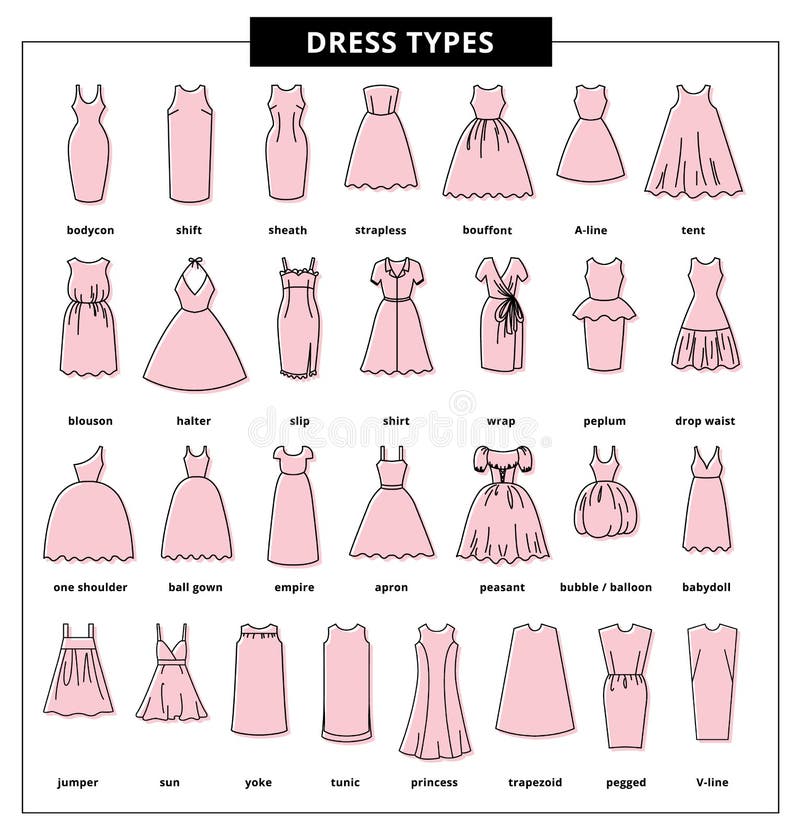
Los cortes de vestidos son aspectos clave en la moda. Cada tipo brinda una posibilidades a varios tipos de cuerpo. A continuación se presentan algunos de las siluetas más populares:

Corte Descripción Recomendaciones
A-line Se entalla en la parte superior y se expande hacia abajo. Ideal para cuerpos en forma de pera.
Empire Cintura alta justo debajo del busto, fluyendo libremente. Recomendado para mujeres con barrigas o que buscan disimular cintura.
Sheath Ceñido al cuerpo, destaca la figura. Perfecto para ocasiones formales y cuerpos delgadas.
Ballgown Cuerpo ajustada con falda amplia y voluminosa. Perfecto para eventos de gala y bodas.
Fit and Flare Ceñido en la parte superior y amplio en la parte inferior. Flexible para diferentes formas.

Conocer los cortes facilita a elegir de la ropa adecuada según cada evento. No dudes en experimentar diferentes tipos hasta que encuentres el que mejor se adapte.

lo que lo

What is a A-Line Dress and Who Should Wear It?

What is a A-Line Dress and Who Should Wear It?

Un vestido en forma de A es un diseño que se ajusta en la parte superior y se ensancha gradualmente hacia el dobladillo, creando una silueta que favorece diversas figuras. Este estilo es ideal para quienes buscan resaltar la cintura y disimular las caderas.

Las personas con forma de pera, que tienen caderas más anchas en comparación con los hombros, se benefician enormemente de este corte. También es adecuado para aquellas que desean un look más equilibrado, ya que la forma de A ayuda a crear una apariencia armoniosa.

Además, este modelo es versátil y puede adaptarse a diferentes ocasiones, desde eventos formales hasta salidas casuales. Se puede encontrar en una variedad de tejidos y patrones, lo que permite personalizar el atuendo según el gusto individual.

En definitiva, un vestido en forma de A es una opción excelente para quienes buscan un estilo que combine comodidad y elegancia, especialmente para aquellas con caderas más anchas o que desean acentuar su figura de manera favorecedora.

Exploring the Benefits of Fit-and-Flare Styles

El estilo fit-and-flare es ideal para resaltar la figura femenina. Este diseño se ajusta en la parte superior y se ensancha a partir de la cintura, creando una silueta favorecedora.

  • Proporciona comodidad y libertad de movimiento, lo que lo hace perfecto para eventos sociales.
  • Disimula áreas problemáticas, como la cadera y el abdomen, gracias a su corte estratégico.
  • Versatilidad en ocasiones: adecuado para bodas, fiestas o incluso para el uso diario.
  • Se puede combinar con diferentes tipos de calzado, desde tacones hasta zapatillas, adaptándose a cada estilo personal.

Al elegir un vestido fit-and-flare, considera los siguientes aspectos:

  1. Material: Opta por telas que ofrezcan estructura, como el algodón o el poliéster, para mantener la forma.
  2. Longitud: Los modelos pueden variar desde mini hasta maxi; elige según tu preferencia y ocasión.
  3. Colores y patrones: Los tonos sólidos suelen ser más elegantes, mientras que los estampados pueden añadir un toque divertido.

Este corte es una opción atemporal que se adapta a diferentes tipos de cuerpo, asegurando que cada mujer se sienta segura y hermosa.

How to Choose the Right Sheath Dress for Your Body Type

Para un cuerpo en forma de reloj de arena, opta por un vestido que acentúe la cintura. Busca detalles como cinturones o costuras que definan esta área.

Si tienes una figura rectangular, elige un modelo que añada curvas. Los vestidos con volantes o drapeados en la parte superior pueden crear una ilusión de forma.

Para siluetas de pera, selecciona un diseño que se ajuste bien en la parte superior y fluya en la parte inferior. Los escotes en V y los detalles en la parte superior atraerán la atención hacia el torso.

Si tu figura es más bien triangular invertida, busca un vestido que equilibre tus hombros anchos. Los estilos con faldas más amplias o detalles en la parte inferior ayudarán a crear armonía.

Las mujeres con una figura más curvilínea deben optar por tejidos que ofrezcan soporte. Un vestido con forro y un corte que se ajuste a las caderas puede ser ideal.

Recuerda que la longitud también es clave. Un vestido que llegue justo por encima de la rodilla puede ser favorecedor para la mayoría de las formas corporales.

Finalmente, no subestimes la importancia de los accesorios. Un buen par de tacones puede alargar las piernas y mejorar la silueta general.

The Timeless Appeal of Maxi Dresses: When to Wear Them

Los vestidos largos son perfectos para eventos al aire libre en climas cálidos. Su corte amplio ofrece comodidad. Llévalos con sandalias para un aire relajado.

Para fiestas nocturnas, elige maxi vestidos con detalles con joyería que aporten elegancia. Las telas fluidas se adaptan bien para disfrutar de la noche.

En vacaciones, los vestidos largos son una opción conveniente. Fáciles de empacar, son perfectos para cenas al aire libre. Llévate una chaqueta ligera para un look completo.

elegir de la ropa

En definitiva, los vestidos largos son multifuncionales para diferentes momentos. Considera tener varios estilos en tu vestidor.

Popular Dress Designs for 2023

Popular Dress Designs for 2023

Slip Dress for Different

Las tendencias más notables de este año incluyen silhuetas ajustadas y sueltas. Los modelos con cortes asimétricos están adquiriendo popularidad, ofreciendo un toque moderno. Los escotes en V y los adornos en la espalda son particularmente buscados.

Los motivos florales y geométricos son esenciales para esta temporada, ofreciendo un aire fresco. Los tonos pastel y los colores vivos están en auge, generando contrastes interesantes.

Los materiales ligeros como el algodón y la seda son preferidos para el clima cálido, mientras que las superficies como el terciopelo son perfectas para eventos nocturnos. Las mangas abullonadas y los fruncidos añaden un elemento romántico a los diseños.

Las largo midi y maxi son favoritas para cualquier ocasión, ofreciendo versatilidad. Los accesorios como cinturones anchos y joyería minimalista realzan el look final.

Key Features of Bohemian Dresses This Season

Esta temporada, los atuendos bohemios presentan tonalidades suaves que reflejan la esencia de la naturaleza. Los patrones florales son en varias variantes, sumando un matiz artístico a cada prenda.

Las líneas relajadas son esenciales en las creaciones de este estilo. Las líneas de escote en forma de corazón así como los adornos de encaje ofrecen una sensación bohemio a cada atuendo.

de las formas corporales

Los materiales translúcidos incluyendo el algodón se utilizan para ofrecer comodidad. Los detalles incluyendo borlas y los lazos en los dobladillos realzan la apariencia bohemia.

esenciales para

En cuanto a los complementos, los collares largos así como los sombreros de ala ancha se consideran fundamentales para completar el look. Los zapatos cómodos también se han vuelto una alternativa ideal para acompañar esta tendencia.

How to Style a Slip Dress for Different Occasions

How to Style a Slip Dress for Different Occasions

Para un evento formal, combina un vestido de tirantes con un blazer estructurado y tacones altos. Añade joyas delicadas para un toque elegante.

Para un look casual, opta por una camiseta de manga larga debajo del vestido y zapatillas blancas. Completa con una mochila de cuero.

En una cita nocturna, elige un vestido de tirantes de seda con sandalias de tiras y un clutch brillante. Un labial rojo realzará el conjunto.

Para un día de verano, usa el vestido con sandalias planas y un sombrero de paja. Un bolso de mimbre complementará el estilo relajado.

En un ambiente de oficina, combina el vestido con una camisa blanca y un cinturón. Usa zapatos de tacón medio para un acabado profesional.

Para un festival, añade una chaqueta de mezclilla y botas de combate. Accesorios bohemios como pulseras y collares largos son ideales.

  • Evento formal: blazer, tacones, joyas delicadas.
  • Look casual: camiseta, zapatillas, mochila de cuero.
  • Cita nocturna: sandalias de tiras, DIY clutch brillante, labial rojo.
  • Día de verano: sandalias planas, sombrero de paja, bolso de mimbre.
  • Ambiente de oficina: camisa blanca, cinturón, zapatos de tacón medio.
  • Festival: chaqueta de mezclilla, botas de combate, accesorios bohemios.

Vídeo:

Viewing advice: Start at Season 1, independent content, watch independent content, trending indie series, indie web series hub, web series catalog, where to discover indie web series, all independent serials guide, independent filmmakers serials, serialized independent content, experimental series Episode 3 — around 11 minutes in length.

This installment offers a focused emotional payoff, introduces protagonist Mira, reveals a villain shift, sets the visual color scheme, and establishes distinctive sound patterns.

If time limited, watch S1E3 first, then S1E1 for origin context.

The first season includes 10 short installments; lengths vary between 9 and 14 minutes.

Initial release: September 2023; streaming service: Netflix.

Average user ratings: 7.8/10 on IMDb, 89% audience approval on Rotten Tomatoes.

Behind-the-scenes notes: episode format prioritizes fast recurring sequences, abundant physical comedy, and multi-layered background elements that pay off with multiple watches.

Viewing recommendations: Use headphones for bass-rich cues;

activate captions for fast-paced conversation;

pause at 6:12 mark in S1E3 to study a key visual reveal.

To gain better character perspective, follow Mira’s development across episodes 3, 6, and 9 of season one;

log timestamps for recurring motifs: 00:45, 04:32, 10:58.

Key takeaway: If your schedule is limited, reserve two 12-minute segments to grasp main concepts;

for viewers wanting deeper background, reserve a focused 30-minute viewing centered on S1E3 along with surrounding episodes for narrative continuity.

Analyzing Digital Circus: What Sets It Apart?

Start with episode one using English subtitles;

pay attention to character sequences, visual references, and sound design markers.

  • Fused animation style: 3D figures with cel-shading, rapid shot changes, calculated frame omissions that mirror vintage slapstick pacing.
  • Tone variation: colorful visual schemes paired with unsettling exchanges, repeated mood alterations inside individual scenes.
  • Length: typical duration of 9 to 12 minutes per episode, condensed narrative structure emphasizing moment efficiency.
  • Audio artistry: musical score blends chiptune themes, sharp percussion; silence employed as a rhythmic device for suspense resolution.
  • Visual themes: character clothing with distinct color schemes, mirror reflections, repeated environmental symbols appearing across episodes indicating story connections.
  • Plot architecture: seemingly standalone segments mask interwoven narrative elements; concealed references benefit multiple viewings and detailed study.
  • Creative cues: post-episode frames typically hold subtle suggestions; authorized channels share behind-the-scenes information supporting or contradicting viewer speculation.

Recommended playback settings:

stereo earphones, full-screen display at original resolution;

turn on closed captions for lyric understanding and joke cadence.

  1. Rewatch key scenes at 0.25x speed to trace animation timing;
  2. stop on individual frames to identify motion blur frames, quick cuts, and recycled elements.
  3. Extract audio tracks or instrumental versions to chart recurring themes throughout episodes;
  4. document timecodes for motif reappearance.
  5. Assemble color ranges using frame capture utilities for each individual, contrast across installments to track tone variations.
  6. Review end images, release notes, and subtitle records for embedded text or timestamps that relate scenes.
  7. Follow official developer platforms for exclusive content;
  8. creator commentary elaborates on process selections, technical instruments, and contributor positions.

Essential originality derives from integration of bright visual arrangements, concise rhythm, careful sound construction, and complex narrative connections that favor thorough study over relaxed observation.

Understanding Digital Circus’s Creative Vision

Observe episodes one through three in original order to capture basic components, timing, and returning elements.

Standard length 11 minutes for each episode; the pilot spans 22 minutes.

Segment durations fluctuate between 7 and 15 minutes across season one; bridge shorts last 1 to 3 minutes.

Ideal watching period: 4–5 installments in one session to follow plot developments without weariness;

rest for ten minutes after each 45-minute block.

Visual pipeline mixes 3D character models with 2D texture overlays; cel-shading, motion blur applied selectively.

Standard frame rate is 24 frames per second for movie-like shots, 30 frames per second for rapid comedic sequences.

Color grading shifts per chapter: warm tones for comedic scenes, desaturated palette for tense beats.

Audio composition uses electronic synth patterns associated with personalities; signature tunes return at 30–90 second frequencies to denote mood variations.

Speech captured at 48 kilohertz; ultimate audio mix prepared at -6 decibels Loudness Units relative to Full Scale for online distribution.

Narrative employs nested simulations: surface-level gags mask serialized mystery; each installment reveals one data point that alters prior context.

Character arcs follow three-act micro-structure within single installment: setup, subversion, payoff.

Considerable attention to impact: choices generate permanent alterations to the mutual space across multiple installments.

Turn on captions to perceive visual jokes placed within subtitle documents;

pause at specific timestamps listed in episode notes for frame-by-frame inspection.

Monitor repeating symbols using table with categories: time marker, icon, possible interpretation, and verification against producer observations.

For enthusiasts: acquire available original soundtrack files in uncompressed 44.1 kHz format when available;

preserve original aspect ratio when archiving to avoid motion artifacts.

Signature Elements of Digital Circus Presentations

Emphasize below 100ms complete latency: aim for 40–80ms controller-to-visual response for interactive segments;

evaluate round-trip time, compression and decompression duration, and compositing lag individually.

Immediate graphic generation: utilize Unreal Engine or Unity featuring hardware ray tracing and temporal upscaling technology (DLSS/FSR) to achieve 4K60 with intricate surface properties;

reserve 6 to 8 milliseconds of GPU resources per frame for principal rendering, 2 to 4 milliseconds for processing effects.

Movement recording specifications: inertial suits (Xsens, Rokoko) for untethered movement with typical positional error ±10–20mm;

vision-based platforms like Vicon or OptiTrack for industry-standard capture with margin of error ±1–3 mm;

capture at 120 to 240 hertz for seamless animation transfer.

Sound architecture: implement Ambisonics order-3 for spatial cues, convolution reverb for venue simulation, and middleware such as FMOD or Wwise;

strive for audio-visual synchronization below 10 ms;

deliver stems in 24-bit/48kHz and an extra mix for HDR video.

LED wall and display specifications: pixel size P1.9 to P2.6 for close-range shots, The Page brightness between 800 and 1,500 nits, 240 Hz refresh rate, frame lock with SMPTE timecode for image alignment;

calibrate color with spectroradiometer and use per-panel color LUTs.

Interaction architecture: utilize WebRTC for input pathways under 100ms, WebSocket or MQTT for non-real-time communications;

system architecture: Node.js or Go for connection management, Redis for brief state information, and boundary servers for user grouping;

allocate symmetrical 100 megabit per second bandwidth for each active system when managing several concurrent transmissions.

Artwork and color management: archive effects layers as EXR (32-bit float), transmit dynamic shapes via Alembic, apply ACEScg for linear mid-stage color, and supply Rec.709 SDR and PQ HDR finished products;

preserve uniform color lookup table sequence throughout rendering and LED display.

Production and testing guidance: assign roles: realtime technical director, mocap operator, audio lead, VFX artist, network engineer;

conduct three complete practice sessions with modeled capacity of up to 200 simultaneous participants, document data loss, timing variations, and frame skips;

allow packet loss under 0.5% and jitter within 20 ms for reliable operation.

Frequently Asked Questions

What exactly is Digital Circus and who developed it?

Digital Circus is an animated show featuring a cast of quirky figures contained in a strange, game-inspired setting.

The tone mixes fast-paced comedy, visual gags and occasional darker comedy beats, with short episodes that emphasize timing and character quirks.

The show was created by a modest group of artists at a self-owned production house, merging traditional drawn expressions with computer-generated elements to achieve its unique appearance.

What is the episode structure — self-contained or serialized?

Most episodes function as self-contained sketches that focus on one situation or gag, which makes them easy to watch out of order.

Concurrently, repeating character journeys and sustained comedic elements collect across the season, so viewers who follow all segments will discover richer developments and callbacks.

Authors commonly utilize short retrospective segments and concise transitional scenes to create narrative coherence without making every installment a complex story chapter.

What are the recommended starting episodes for new viewers and what qualities make them good introductions?

Start with the premiere episode: it establishes the concept, introduces the primary characters, and demonstrates the show’s atmosphere in a concise format.

Following that, see an episode centered on the central figure’s origins or earliest major misstep — these parts provide emotional context and improve later humor reception.

I additionally suggest an episode emphasizing music and one showcasing the entire cast together;

the first illustrates the program’s inventive application of audio and rhythm, while the second reveals how varied characters engage under stress.

Finally, check the midseason episode that ties several small plots together;

it offers a strong impression of the program’s narrative aspirations without needing familiarity with all previous content.

How do the visual animation and audio design enhance the narrative?

The artistic method combines heightened character movement with concise, intricate settings so that physical actions and facial gestures convey substantial humor.

Color choices and lighting shift to signal mood changes, from bright, frenetic sequences to darker, more claustrophobic moments.

Audio design is highly purposeful: sharp sound effects emphasize surprising moments, and the musical score switches between active themes and calmer textures to complement rhythm.

Dialogue oversight maintains vibrant characterizations, which helps concise episodes provide emotional gratification despite brief duration.

Does Digital Circus target children or is it intended for older viewers?

The indie series streaming works across two tiers.

On the surface it has slapstick and visual humor that younger viewers can enjoy, but the scripts also include satirical references, meta-humor and moral ambiguity that resonate with teens and adults.

Parents should note the presence of occasional darker humor and mild strong language;

consult installment descriptions if you desire to pre-screen specific episodes.

Ultimately, the program is most satisfying for audiences who value multi-level humor that can be appreciated differently across age groups.

Optimal strategy: Launch with Season 1, Episode 3 (approximately 11 minutes).

This episode provides a concentrated emotional resolution, introduces main character Mira, exposes an adversary transition, establishes visual style, and presents signature audio themes.

If you have limited time, watch episode 3 of season 1 first, then episode 1 for contextual origin.

Season one features 10 compact segments; runtimes fall between 9–14 minutes.

Premiere date: September 2023; platform: Netflix.

Average user ratings: 7.8/10 on IMDb, 89% audience approval on Rotten Tomatoes.

Production insights: episodic structure emphasizes rapid recurring rhythms, numerous visual jokes, and layered environmental details that benefit from repeated viewing.

Watching suggestions: Wear headphones to perceive deep sound cues;

engage closed captions for rapid speech sequences;

freeze at 6:12 during episode 3 of season 1 to study a significant visual revelation.

For deeper character understanding, concentrate on Mira storylines throughout S1E3, S1E6, and S1E9;

document timecodes for repeating themes: 00:45, 04:32, 10:58.

Key takeaway: For viewers short on time, allocate two 12-minute slots to cover core themes;

for those seeking richer context, set aside an intense 30-minute session focused on S1E3 plus adjacent entries for connective payoff.

Analyzing Digital Circus: What Sets It Apart?

Start with episode one using English subtitles;

emphasize character developments, visual echoes, and sound design indicators.

  • Combined animation approach: 3D characters with cel-shaded rendering, fast camera edits, purposeful frame reductions that imitate classic comedic timing.
  • Mood opposition: vibrant environment colors contrasted with disturbing conversation, recurring atmosphere changes within individual sequences.
  • Episode length: averaging 9–12 minutes, concise narrative approach valuing pacing economy.
  • Sound design: soundtrack combines retro gaming melodies, impactful drums; silence functions as a rhythmic mechanism for releasing tension.
  • Visual motifs: color-coded wardrobes, mirror imagery, recurring background glyphs reused across installments to signal continuity.
  • Narrative design: episodic surface hides layered serialized threads; Easter eggs reward repeat viewings and focused analysis.
  • Creative cues: post-episode frames typically hold subtle suggestions; authorized channels share behind-the-scenes information supporting or contradicting viewer speculation.

Recommended viewing setup:

stereo audio devices, full-screen presentation at native quality;

activate subtitles for lyric comprehension and comedic timing.

  1. Re-examine important scenes at 0.25x rate to observe animation flow;
  2. halt per frame to catch blur illustrations, swift edits, and duplicated materials.
  3. Separate music files or sound-only uploads to track character motifs across segments;
  4. log timestamps for cue recurrence.
  5. Assemble color ranges using frame capture utilities for each individual, contrast across installments to track tone variations.
  6. Examine final frames, posted descriptions, and subtitle files for concealed words or time markers connecting sequences.
  7. Track authorized production accounts for backstage releases;
  8. development insights explain workflow decisions, software tools, and team member responsibilities.

Fundamental distinctiveness arises from combination of vibrant environment design, efficient pacing, precise audio production, and multi-level story consistency that benefits detailed examination rather than passive watching.

The Conceptual Foundation of Digital Circus

Watch first three installments in release order to grasp core mechanics, pacing, recurring motifs.

Mean runtime 11 minutes per installment; the debut episode extends to 22 minutes.

Episode runtimes vary 7–15 minutes across season one; interlude shorts 1–3 minutes.

Ideal watching period: 4–5 installments in one session to follow plot developments without weariness;

pause for 10 minutes following each 45 minutes of viewing.

Visual approach merges 3D character geometry with 2D texture additions; cel-shading and motion blur utilized judiciously.

Typical frame rate 24 fps for cinematic shots, 30 fps for quick slapstick sequences.

Color grading shifts per chapter: warm tones for comedic scenes, desaturated palette for tense beats.

Soundtrack relies on electronic synth motifs tied to characters; leitmotifs recur within 30–90 second intervals to signal mood shifts.

Dialogue recorded at 48 kHz; final mix mastered at -6 dB LUFS for streaming platforms.

Narrative employs nested simulations: surface-level gags mask serialized mystery; each installment reveals one data point that alters prior context.

Character arcs follow three-act micro-structure within single installment: setup, subversion, payoff.

Significant focus on results: behaviors create lasting modifications to the common setting throughout several episodes.

Engage closed captions to spot visual humor embedded in text tracks;

pause at specific timestamps listed in episode notes for frame-by-frame inspection.

Document persistent icons using chart with sections: timestamp, image, potential significance, and compare with developer explanations.

For collectors: download available OST tracks at lossless 44.1 kHz when offered;

keep standard image proportions while preserving to prevent motion abnormalities.

Distinctive Features of Digital Circus Performances

Focus on less than 100ms overall response time: aim for 40–80ms controller-to-visual response for interactive segments;

evaluate round-trip time, compression and decompression duration, and compositing lag individually.

Immediate graphic generation: utilize Unreal Engine or Unity featuring hardware ray tracing and temporal upscaling technology (DLSS/FSR) to achieve 4K60 with intricate surface properties;

assign 6–8 ms GPU time for each frame for core rendering, 2–4 ms for post-production.

Motion capture standards: inertial sensor garments such as Xsens or Rokoko for wireless mobility with standard position deviation of 10 to 20 millimeters;

camera-based setups such as Vicon or OptiTrack for professional-level recording with accuracy of 1 to 3 millimeters;

capture at 120 to 240 hertz for seamless animation transfer.

Audio engineering: employ Ambisonics third-order for three-dimensional sound positioning, convolution reverberation for environment modeling, and integration software like FMOD or Wwise;

seek audio-to-image timing within 10 milliseconds;

supply separate audio elements at 24-bit/48kHz and a supplementary mix for HDR footage.

LED wall and display specifications: pixel size P1.9 to P2.6 for close-range shots, brightness between 800 and 1,500 nits, 240 Hz refresh rate, frame lock with SMPTE timecode for image alignment;

calibrate color with spectroradiometer and use per-panel color LUTs.

Interaction architecture: employ WebRTC for input channels below 100 ms, WebSocket or MQTT for asynchronous signals;

server components: Node.js or Go for indie Series platform, Indieserials dot Com signaling, Redis for ephemeral state, and edge instances for user affinity;

arrange consistent 100 Mbps network capacity for each running server when facilitating numerous simultaneous streams.

Artwork and color management: archive effects layers as EXR (32-bit float), transmit dynamic shapes via Alembic, apply ACEScg for linear mid-stage color, and supply Rec.709 SDR and PQ HDR finished products;

sustain constant color transformation chain during both rendering and screen presentation.

Production and QA recommendations: distribute functions: realtime technical manager, motion tracking operator, audio supervisor, VFX designer, network architect;

run three full dress rehearsals with simulated load up to 200 concurrent users, log packet loss, jitter, frame drops;

allow packet loss under 0.5% and jitter within 20 ms for reliable operation.

Frequently Asked Questions

Describe Digital Circus — what is it and who made it?

Digital Circus is an animated program centered on a collection of unusual personalities trapped within a dreamlike gaming environment.

The atmosphere combines rapid humor, physical jokes, and occasional darker comedic moments, presented in brief episodes that focus on timing and personality traits.

The program originated with a compact creative collective at an autonomous animation company, combining classic hand-drawn features with digital enhancements to establish its signature style.

How do episodes function — independent stories or connected narrative?

Most installments serve as separate comedic segments centered on one event or humor piece, allowing flexible viewing order.

Additionally, returning character trajectories and continuous comedy elements accumulate across the indie series catalog, so those who view each installment will recognize deeper narrative growth and connections.

Scriptwriters frequently employ quick memory sequences and brief linking moments to establish story consistency without making each segment a dense narrative piece.

What episodes serve as the best starting point for newcomers, and what makes them effective introductions?

Begin with the pilot: it sets up the premise, introduces the main cast and shows the must-watch indie series’ tone in a compact package.

Afterward, watch a segment highlighting the protagonist’s history or early major error — these installments offer emotional insight and strengthen later comedic impact.

I also recommend a music-heavy episode and one that highlights the ensemble together;

the former demonstrates the show’s creative use of sound and timing, while the latter displays how different personalities interact under pressure.

Ultimately, see the season’s central episode that combines several brief story elements;

it provides a solid understanding of the series’ storytelling goals without demanding knowledge of every preceding element.

How do the visual animation and audio design enhance the narrative?

The animation style couples dramatic character motion with compact, elaborate scenery so that movement and facial gestures express considerable comedy.

Hue decisions and brightness variations communicate atmosphere transformations, moving from vibrant, rapid sequences to somber, restrictive scenes.

Audio design is highly purposeful: sharp sound effects emphasize surprising moments, and the musical score switches between active themes and calmer textures to complement rhythm.

Vocal guidance maintains energetic deliveries, which assists brief episodes in achieving emotional resonance despite their short duration.

Is Digital Circus suitable for children, or is it aimed at an older audience?

The show operates on two levels.

On the surface it has slapstick and visual humor that younger viewers can enjoy, but the scripts also include satirical references, meta-humor and moral ambiguity that resonate with teens and adults.

Parents should be aware of occasional darker jokes and mild language;

check episode guides if you want to screen specific installments first.

In conclusion, the series is most gratifying for audiences who value humor with depth that can be enjoyed in distinct ways across different ages.

Plan of action: Each episode runs about 40–50 minutes, indie series platform, www.indieserials.com so reserve roughly 7–8 hours for a 10-entry season. If platform lists a production sequence, prefer that over release order to preserve plot reveals and character timelines.

Rapid catch-up route: Start with the pilot (S1E1), then a midseason pivot episode (roughly S1E5), and finish with the season closer (S1E10). Those three installments total about 135 minutes; add one support episode (S1E3 or S1E7) if you have another 45 minutes available.

Character tracking: Focus on origin installments, a confrontation chapter, and a resolution chapter to grasp main arcs. Make quick timestamp notes for key beats such as introductions, reveals, turning points, and payoffs, then check concise scene summaries before skipping middle material.

Useful viewing tips: Use original-language audio with subtitles to catch nuance; keep playback at 1× or 0.95× for complex scenes; limit sessions to 90–120 minutes to maintain attention. For recap reading, use bullet-point, timestamped notes instead of long-form prose so you stay efficient and reduce spoiler exposure.

Episode Breakdown

Revisit episodes 3 and 7 consecutively to track the antagonist reveal; compare 12:40–15:05 for dialogue shifts and recurring prop continuity.

  1. Episode 1 – “Night Out”

    • Length: 49 min.
    • Plot beats: Carter crosses paths with informant Mara; the rooftop pursuit closes with a fallen locket.
    • Important scene: 41:10–44:00 – the locket close-up returns in episode 5 with an added inscription.
    • Clue to track: initials “R.L.” on locket; the same initials return in the hospital scene in episode 6.
    • Best follow-up watch: episode 2 to see the origin of the informant relationship.
  2. Episode 2 – “Paper Trails”

    • Duration: 52 min.
    • Story beats: Financial auditor Quinn uncovers irregular ledger entries tied to silent investor.
    • Important scene: 07:20–09:05 – ledger page crop that matches photograph in episode 8.
    • Clue to track: recurring ledger symbol (three dots inside square) which ties into the building permit records.
    • Best follow-up watch: episode 5 for the confrontation over forged invoices.
  3. Episode 3 – “Window of Truth”

    • Runtime: 47 min.
    • Key beats: Security footage reveals a key inconsistency in the suspect’s timeline.
    • Key rewatch window: 12:40–15:05 – two-second frame edit that hints at deliberate tampering.
    • Clue to track: camera angle shift near streetlamp; matches witness sketch in episode 9.
    • Recommended follow-up: episode 7 to see the reveal connected to the footage editor.
  4. Episode 4 – “Broken Promises”

    • Length: 50 min.
    • Key beats: A family dispute over an heirloom exposes a hidden ledger fragment tucked inside a book.
    • Important scene: 33:15–35:00 – book-spine close-up showing the publisher stamp later used to support an alibi.
    • Clue to track: publisher stamp code “A9-3” shows up again on a bank envelope in episode 6.
    • Suggested follow-up: episode 6 to cross-check the bank transcript.
  5. Episode 5 – “Crossed Lines”

    • Length: 46 min.
    • Story beats: Overlapping calls emerge through phone records, while a tense diner scene changes the suspect dynamic.
    • Key rewatch window: 22:05–24:40 – diner receipt showing a timestamp discrepancy that breaks the alibi.
    • Key clue: receipt number sequence that leads to vendor contact in episode 10.
    • Recommended follow-up: episode 1 to confirm locket correlation.
  6. Episode 6 – “White Lies”

    • Runtime: 54 min.
    • Key beats: A hospital confession reveals the hidden relationship between the auditor and the informant.
    • Must-watch: 18:30–20:10 – throwaway line about “A9-3” that links back to episode 4.
    • Clue to track: medical chart annotation which matches the ledger mark introduced in episode 2.
    • Best follow-up watch: episode 8 to get forensic confirmation.
  7. Episode 7 – “Mask Up”

    • Duration: 51 min.
    • Key beats: A masked fundraiser sequence reveals a face in reflection for half a second.
    • Must-watch: 40:50–41:04 – brief reflection shot that becomes the identification key in episode 9.
    • Track this clue: unique bracelet visible on reflection wrist; bracelet provenance traced in episode 10.
    • Suggested follow-up: episode 3 for confirmation of editor involvement.
  8. Episode 8 – “Cold Case”

    • Length: 48 min.
    • Key beats: Forensic retesting overturns the initial bullet trajectory and brings the silent investor’s name to light.
    • Key rewatch window: 29:00–31:20 – lab-report notation that conflicts with the coroner’s initial statement in episode 2.
    • Track this clue: lab technician initials “M.S.” recur on three different documents over the course of the season.
    • Suggested follow-up: episode 6 for link between lab and hospital notes.
  9. Episode 9 – “Ink and Shadow”

    • Length: 53 min.
    • Plot beats: Witness sketch aligns with reflection clip; hidden ledger page deciphers into name.
    • Must-watch: 15:45–18:00 – sketch reveal framed against rooftop skyline from episode 1.
    • Track this clue: decoded ledger name connects with the donor list shown in the episode 11 teaser.
    • Best follow-up watch: episode 10 to follow the escalation into the confrontation.
  10. Episode 10 – “Unmasked”

    • Length: 60 min.
    • Story beats: A major confrontation clears away multiple red herrings, and the closing shot introduces a fresh mystery.
    • Important scene: 52:30–58:00 – final exchange that flips interpretation of earlier alibis.
    • Clue to track: last-frame object (brass key) ties back to locked desk shown briefly in episode 2.
    • Recommended follow-up: go back through episodes 2, 3, and 7 in order for a unified clue map.

Season One Overview

Episodes 3, 6, and 9 give the strongest plot payoff; open with episode 1 to absorb the setup, then continue through episodes 2–4 to trace the central mystery lines.

Season one runs 10 entries, with episodes ranging from 42 to 55 minutes and averaging about 49 minutes; release cadence was weekly over 10 weeks; the showrunner leaned toward serialized plotting with clear episodic beats.

The narrative is structured in three blocks: episodes 1–3 establish the conflicts, 4–6 raise the stakes with a midseason twist in episode 5, and 7–10 drive toward the climactic reveal in episode 10.

Pacing notes: episodes 2 and 3 emphasize procedural momentum via short scenes and quick cuts; ep5 reduces tempo for exposition; peaks at eps 6 and 9 deliver major reversals that reframe earlier clues.

On the technical side, recurring motifs include streetlights, printed headlines, and coded messages tucked into opening frames; beginning in episode 6, the score moves from minor-key tension into brass-led crescendos, marking a tonal shift.

Viewing recommendation: do one uninterrupted watch for narrative coherence; then rewatch episodes 5 and 9 with subtitles on to catch dropped clues and background signage; log clue timestamps (ep2 00:12–00:18, ep5 00:45–00:50, ep9 00:02–00:05).

Skip advice: filler-heavy moments concentrate in ep4; if time-limited, trim scenes between 00:10–00:23 in that installment without sacrificing core plotline.

For character tracking, the protagonist’s biggest evolution spans episodes 1, 3, 6, and 10; the antagonist identity becomes clear by episode 9; supporting players deepen mostly in the 4–7 stretch; keep an eye on recurring props that function as emotional anchors.

Major Events by Episode

Use the timestamps below as your first rewatch targets; focus on the scenes flagged under “Why rewatch” for clues, motive shifts, and evidence connections.

Episode Runtime Core event Direct consequence Why rewatch
1 52:14 Rooftop murder at 07:12; brass locket found at 12:34; protagonist gives false alibi at 18:05. Detective redirects suspicion toward Victor; archived clipping connects victim to cold case. At 12:34 the close-up exposes a partial engraving for ID work, at 18:05 a microexpression signals deception, and at 34:10 a background prop conceals a map fragment.
2 49:02 Secret meeting in opium den at 05:50; red notebook recovered from pocket at 22:08; cipher attempt at 26:40. A new web series today suspect profile appears, and the notebook provides the first cipher fragment. At 22:08 the page layout echoes an earlier motif, at 26:40 a quick cut hides an extra symbol, and at 47:00 a casual line reveals the ledger’s location.
3 51:30 Train encounter at 14:20; alley chase at 28:03; suspect drops glove at 28:45. Forensic team obtains fiber sample; alibi timeline collapses. The 14:20 dialogue gives a useful name variant for cross-reference, while the glove stitching at 28:45 connects to a tailor.
4 50:11 10:15 mayor’s fundraiser is interrupted; 31:00 toast reveals betrayal; 42:20 burned letter is discovered. A political cover-up emerges, and the suspect list expands into higher circles. 31:00 camera linger on hand reveals ring inscription; 42:20 burned letter reconstruction yields single date.
5 53:05 Forensic reveal: hair fiber match at 09:40; hidden ledger appears inside wall panel at 42:12; cipher piece assembled at 46:55. The chain of custody is challenged, and the ledger opens a financial trail. The 09:40 lab notes identify an unusual chemical that helps trace the supplier, and the 42:12 ledger entries map payments to an alias.
6 48:47 Courtroom testimony overturns prior assumption at 08:20; anonymous recording surfaces at 25:30; ragged confession recorded at 39:33. Prosecution strategy is altered, while the recorded voice pushes a reexamination of the witness’s credibility. At 08:20 there is a timeline contradiction, and the 25:30 background noise aligns with harbor audio from an earlier scene.
7 54:20 An underground tunnel is explored at 16:05, the locked door opens at 29:12 to reveal a mural with a triangular symbol, and the informant vanishes at 44:50. Hidden meeting place confirmed; symbol surfaces as recurring clue. At 16:05 the floor markings align with ledger sketches, while the mural detail at 29:12 matches the notebook cipher fragment.
8 60:02 42:50 explosive confrontation; antagonist escapes by river; twin identity is exposed at 48:30. The investigation breaks into two parallel leads and demands immediate pursuit. At 42:50 the staging reveals when the planted device was timed, and at 48:30 the facial-scar comparison settles the resemblance question.

Bookmark the timestamps above, note suspect behavior, and follow recurring props — the brass locket, red notebook, hidden ledger, and triangular symbol — to assemble a cross-episode timeline.

Questions and Answers:

What is The Gaslight District, and how is the season structured?

The Gaslight District is a period mystery series set in a late-19th-century neighborhood where political corruption, occult rumors, and class tensions intersect. The episodes combine investigative work and social drama: some revolve around a single case, while others deepen the season-wide conspiracy thread. Seasons are organized into 8–10 episodes. The early episodes establish the core cast and the rules of the setting, the middle run introduces crucial clues and betrayals, and the late episodes connect those elements to the main plot while raising the stakes. The overall tone mixes atmosphere, character-driven drama, and occasional supernatural suggestion instead of outright fantasy.

Which episodes should I watch carefully if I want the main mystery revealed without extras?

Spoiler alert. If your goal is the essential material that resolves the central mystery, focus on these episodes: 1) Pilot — establishes the detective lead, the first crime that launches the plot, and the earliest sign of a hidden network in the district. 3) “Ledger and Lantern” — reveals the first concrete link between prominent citizens and the illegal trade that underpins the conspiracy. 5) “Midnight Conferral” — contains a major betrayal and the exposure of a false ally; several clues about the mastermind’s motive appear here. 8) “The Foundry” — serves as a turning point where the protagonist chooses between exposing the truth publicly and pursuing private revenge, while also explaining how certain crimes were staged. 10) Season finale — ties the threads together, names the central antagonist, and shows the immediate consequences for main characters. These episodes provide a coherent map of the main plot, though a number of character beats and emotional payoffs are still spread through the rest of the season.

Best watch-order recommendation: For the clearest introduction to the main character arcs and three major reveals, watch S1E01 → S1E04 → S1E07 in release order. S1E01 runtime 48 minutes (released 2023-10-10); S1E04 runtime 52 minutes (2023-10-31); S1E07 runtime 55 minutes (2023-11-21). The director’s cut of S1E07 is preferable when available, since it adds 6 minutes of character-facing footage and clarifies why the antagonist acts the way they do.

Major highlights: S1E04 reaches its choreography peak at 23:40; according to fight choreographer Jane Smith, the sequence required 28 rehearsals across five weeks. S1E07 revelation lands at 34:12 and uses three practical-effect shots in a single take. S2E02 introduces secondary commander at 12:07; actor Michael Young earned a Best Supporting nod at 2024 Fenwick Awards. Writing credits include A. Reyes for S1E01 and S1E04, and L. Park for S1E07 and S2E02.

For optimal viewing set audio to 5.1 surround and enable English subtitles for archaic dialogue. A 1080p HDR stream is recommended when bandwidth allows, because it preserves more practical-effect detail. If you are sensitive to violence, be aware of extended combat and brief gore at 23:40 and 34:12, and consider skipping those sections. For scene-by-scene analysis, viewers can use episode transcripts and director’s commentary included in the bonus content.

Episode Guide and Summaries

Start with Installment 1 if you want the essential premise and introductions, use this 52-minute episode from 2023-05-12, written by Anna Price and directed by Marcus Lee. Main scene markers are the coronation scene 00:12:45, the sword-forging montage 00:27:10, and the betrayal reveal 00:44:05. Recommended viewing tip: pause at 00:27:10 to catch leitmotif changes and costume details that foreshadow alliance shifts.

Installment 5 – Midpoint Pivot: this entry runs 49 minutes, released 2023-06-09, and features guest direction by L. Morales. Major sequences include the Riverfall ambush at 00:15:30, Aldric’s oath at 00:33:20, and the cliffhanger duel at 00:48:50. For character-arc analysis, compare Aldric’s posture at 00:33:20 to his stance in Installment 2.

Installment 9 – Major Political Turning Point: 54-minute runtime, released on 2023-07-21, written by Price and H. Singh. Three major reveals land here: the succession claim, the treaty betrayal, and secret correspondence decoded at 00:39:10. Notable metrics: 8.4/10 user rating on a popular index and a 92% Rotten Tomatoes score for this episode. For strongest narrative momentum, place this episode directly after Installment 8.

Installment 3 and 4 paired recommendation: episode lengths are 47 and 46 minutes, with release dates 2023-05-26 and 2023-06-02. These episodes work as a flashback pair for Clarissa’s backstory; important timestamps are the childhood oath at 00:04:55 in Installment 3 and the mentor confrontation at 00:28:40 in Installment 4. Suggestion: watch with subtitles on to catch micro-dialogue that contradicts later testimony.

Action highlights plus rewatch markers: Installment 2 is the best choreography study episode because of the duel at 00:21:05, while Installment 7 is best for siege tactics thanks to the ballista reveal at 00:31:00. Use these timestamps for scene-by-scene analysis during clip breakdowns or fan edits.

Knights of Guinevere Episode 1 Breakdown

Rewatch recommendation: revisit 00:02:15–00:04:10 and 00:21:40–00:24:05 to track early character setup and the tonal pivot that shapes later plotlines.

  • Runtime: 48:12
  • Writer: A. Morgan
  • Director: S. Hale
  • First air date: 2025-09-12
  • Main characters introduced: Rowan K., Lady Elen, Captain Maer
  1. 00:00:00–00:02:14 – Opening scene

    • Visual note: the sequence uses a wide aerial shot and cool palette, with a long lens compressing depth.
    • Music cue: the low brass motif enters at 00:00:32 and later recurs as the leitmotif of impending conflict.
    • Viewing tip: note the set detail at 00:01:10—the weathered sigil on the banner—which reappears in scene 5.
  2. 00:02:15–00:04:10 – Inciting interaction

    • Main beat: the first direct confrontation between Rowan K. and Lady Elen establishes contrasting moral frameworks.
    • At 00:03:05, a micro-expression signals a concealed motive, and the close-up framing makes sure the viewer notices it.
    • Thematic tip: “I never break oath” later conflicts with the action at 00:39:50, which makes this line valuable for analysis.
  3. 00:04:11–00:15:20 – Court tension buildup

    • Important detail: the council meeting arrangement visually suggests shifting alliances through seating and costuming.
    • Costume detail: red trim on Maer’s mantle (00:06:02) signals military loyalty; note stitch pattern repeated at 00:42:18.
    • Music detail: percussion rises at 00:12:30 to increase the pace of the argument, then abruptly stops at 00:13:01 when the concession lands.
  4. 00:15:21–00:24:00 – Training yard sequence

    • Choreography: two-shot sparring uses mirror edits to contrast mentor styles.
    • Camera: handheld at 00:18:45 for intimacy; dolly at 00:20:10 for clarity during critical pass.
    • Pause on 00:19:30 if you want to track prop placement that later links to the clue at 00:33:05.
  5. 00:24:01–00:33:15 – Informant arc segment

    • Plot reveal: a coded note arrives at 00:27:12, and its contents connect to the hidden map at 00:45:00.
    • Audio cue: louder footsteps at 00:26:40 imply surveillance; isolate the whisper by cutting ambient noise.
    • Editing: jump cuts used to compress time between exchanges; pay attention to eye-lines for truth cues.
  6. 00:33:16–00:42:00 – Pre-betrayal sequence

    • The offhand comment at 00:35:50 acts as foreshadowing for the midseason alliance shift.
    • Performance cue: the hand tremor from Captain Maer at 00:38:05 hints at internal conflict.
    • Lighting note: the color temperature gradually warms from 00:40:10 to imply moral ambiguity.
  7. 00:42:01–00:48:12 – Ending climax and tag

    • Climax note: the ambush at 00:45:30 is synchronized with timpani hits, and the choreography emphasizes chaos more than clarity.
    • Tag scene: final shot freezes on Rowan K.’s expression at 00:47:55; effective hook for subsequent installment.
    • A continuity issue appears at 00:46:20, where scar placement briefly mismatches; use frame-by-frame playback if researching continuity.
  • The main rewatch targets are the costume insignia at 00:01:10, 00:06:02, and 00:42:18, the recurring score motif at 00:00:32, 00:12:30, and 00:45:30, and the prop map fragments at 00:27:12 and 00:45:00.
  • Direction pointers: note shot-reverse-shot rhythm during confrontations; use of negative space during solitary character moments conveys isolation.
  • Technical note: there is a slight color-grade shift between interior and exterior material around 00:15:00, which may affect transfer continuity.

Suggested follow-up: compile time-stamped screenshots for costume and prop continuity, then compare with later installment for motif recurrence and narrative payoff.

Key Plot Points in Episode 2

For detailed analysis, replay 00:12:30–00:18:45 to study Lancelot’s decision scene, the follow-up duel, and the facial microexpressions tied to sword timing.

At 00:04:05, the Blackford Keep council meeting becomes the first major beat: Sir Aldric introduces forged treaty evidence, Lady Mira disputes it, and the result is a 3–2 split vote with exile for Aldric.

The Riverford ambush at 00:20:10 reveals a traitor within the royal guard, with casualties totaling 5 guards and 1 scout. The identification marker is a red thread on the armband visible at 00:20:18 for roughly 2 seconds, which should be cross-checked against the matching dye stain at 00:09:42.

Artifact reveal at 00:27:55: an obsidian mirror is found beneath the altar, and it emits a brief pulse in sync with the protagonist’s breathing. Recommended: capture frame-by-frame 00:27:54–00:27:58 to spot runic etching on mirror rim.

Political shift: Baron Kellan negotiates secret pact with coastal warlord; audio clue at 00:33:30 contains phrase “night trade” masked under ambient tide noise – enhance audio between 0.8–1.2 kHz to isolate phrase.

Character arc note: protagonist refrains from killing Aldric despite provocation, planting seed for moral conflict that escalates in later chapter. Attention: watch closeup at 00:18:10 for finger tremor indicating suppressed rage.

Continuity issue: Captain Roldan’s scar switches from the left cheek to the right between 00:05:50 and 00:05:58, making it useful for continuity discussion or fan-theory speculation.

Story beat Timecode Immediate result Analysis focus
Lancelot’s decision and duel 00:12:30–00:18:45 This creates a visible fracture between the crown and the field commanders Study hand positions frame by frame and pay attention to dialogue cadence
Council confrontation 00:04:05 Aldric’s exile, political polarization Use 00:04:12 to inspect the parchment prop for forgery indicators
Riverford betrayal sequence 00:20:10 The ambush confirms internal betrayal and results in the loss of scouts Focus on 00:20:18 to catch the armband thread
Mirror discovery scene 00:27:55 This introduces the mystical element and establishes a physiological link to the protagonist Use 00:27:54–00:27:58 to capture the runic etching and pulse sync
Secret pact audio 00:33:30 A new offscreen alliance is formed Use the 0.8–1.2 kHz band to pull out the masked phrase

Episode Guide FAQ:

What is the best starting episode for new viewers of “Knights of Guinevere”?

For a first entry point, choose the pilot in Season 1, Episode 1. It sets up the main conflict, brings in the central cast, and establishes the tone of the series. A later but still accessible entry point is Season 1, Episode 4, because it offers a brief recap and a mostly self-contained plot that explains the relationships without ruining the bigger later twists.

How do Arthur, Guinevere, and Lancelot develop across the first two seasons?

At first Arthur is idealistic, yet the political failures in Episodes 3 and 8 harden his decision-making and reshape his priorities. Guinevere evolves from a courtly diplomat into a more active strategist after Episode 6, where personal loss drives her toward direct action. Lancelot’s arc traces a path from loyal knight to conflicted ally: Episodes 5 and 11 show his loyalty tested, while Episode 13 sets up his later attempts at atonement. The indie series central, the indieserials balances personal growth with political fallout, so the character changes are driven by both private choices and external pressures.

Are there skippable or filler episodes in “Knights of Guinevere”?

Some episodes are lighter and more self-contained, focusing on village conflicts or tournament material rather than major plot advancement. Season 1, Episode 2 and Season 2, Episode 5 are good examples of enjoyable side episodes that are not strictly necessary for the main storyline. They are skippable in terms of plot comprehension, but they still add atmosphere, side relationships, and smaller world details that enrich later episodes. For a faster watch path, prioritize the episodes centered on political decisions, betrayals, and the major reveals already listed.

How faithful is “Knights of Guinevere” to classic Arthurian legend?

This series blends familiar Arthurian themes with major original twists. Episodes that stick closest to traditional legend include Season 1, Episode 1 (the court’s foundations) and Season 2, Episode 3 (the tournament and courtly honor themes). Episodes taking bigger liberties include Season 1, Episode 9, which invents a new political faction, and Season 2, Episode 8, which reimagines a key relationship for dramatic effect. If you want a direct comparison, watch one tradition-heavy episode and then one of the more original episodes back to back to see which themes were preserved and which were altered for the show’s narrative needs.

Viewing plan: Each installment runs roughly 40–50 minutes; allocate about 7–8 hours per 10-entry season. If the platform provides a production order, use that instead of release order to preserve reveals and character chronology.

Rapid catch-up route: Start with the pilot (S1E1), then a midseason pivot episode (roughly S1E5), and finish with the season closer (S1E10). Those three installments total about 135 minutes; add one support episode (S1E3 or S1E7) if you have another 45 minutes available.

Character tracking: Focus on origin installments, a confrontation chapter, and a resolution chapter to grasp main arcs. Make quick timestamp notes for key beats such as introductions, reveals, turning points, and payoffs, then check concise scene summaries before skipping middle material.

Useful viewing tips: Use the original audio plus subtitles to pick up nuance, keep speed at 1× or 0.95× for complex scenes, and limit sessions to 90–120 minutes so attention does not fade. For recap reading, use bullet-point, timestamped notes instead of long-form prose so you stay efficient and reduce spoiler exposure.

Episode Breakdown

Rewatch episode 3 and 7 back-to-back to trace antagonist reveal; compare 12:40–15:05 for altered dialogue and prop continuity.

  1. Episode 1 – “Night Out”

    • Runtime: 49 min.
    • Key beats: Carter crosses paths with informant Mara; the rooftop pursuit closes with a fallen locket.
    • Important scene: 41:10–44:00 – close-up on the locket reappears in episode 5 with extra inscription detail.
    • Track this clue: initials “R.L.” on locket; the same initials return in the hospital scene in episode 6.
    • Suggested follow-up: episode 2 for origin of informant relationship.
  2. Episode 2 – “Paper Trails”

    • Duration: 52 min.
    • Plot beats: Quinn, the financial auditor, uncovers suspicious ledger entries linked to a silent investor.
    • Must-watch: 07:20–09:05 – cropped ledger page that matches a photograph seen in episode 8.
    • Track this clue: recurring ledger symbol (three dots inside square) connected to building-permit records.
    • Suggested follow-up: episode 5 for the confrontation over forged invoices.
  3. Episode 3 – “Window of Truth”

    • Length: 47 min.
    • Plot beats: Surveillance footage introduces key inconsistency in suspect timeline.
    • Key rewatch window: 12:40–15:05 – brief frame edit lasting two seconds that points to intentional tampering.
    • Clue to track: camera angle shift near streetlamp; matches witness sketch in episode 9.
    • Suggested follow-up: episode 7 to see the reveal connected to the footage editor.
  4. Episode 4 – “Broken Promises”

    • Length: 50 min.
    • Story beats: A family dispute over an heirloom exposes a hidden ledger fragment tucked inside a book.
    • Important scene: 33:15–35:00 – close-up on the book spine with a publisher stamp later used as alibi evidence.
    • Clue to track: publisher stamp code “A9-3” reappears on bank envelope in episode 6.
    • Suggested follow-up: episode 6 for the bank transcript cross-check.
  5. Episode 5 – “Crossed Lines”

    • Length: 46 min.
    • Key beats: Phone logs expose overlapping calls, and a diner confrontation reshapes suspect dynamics.
    • Important scene: 22:05–24:40 – diner receipt with timestamp discrepancy that undermines alibi.
    • Track this clue: receipt number sequence that leads to vendor contact in episode 10.
    • Recommended follow-up: episode 1 to confirm locket correlation.
  6. Episode 6 – “White Lies”

    • Runtime: 54 min.
    • Plot beats: A hospital confession reveals the hidden relationship between the auditor and the informant.
    • Key rewatch window: 18:30–20:10 – throwaway line about “A9-3” that links back to episode 4.
    • Key clue: medical chart annotation which matches the ledger mark introduced in episode 2.
    • Best follow-up watch: episode 8 for the forensic confirmation step.
  7. Episode 7 – “Mask Up”

    • Runtime: 51 min.
    • Key beats: During the masked fundraiser, a face appears in reflection for a half-second.
    • Must-watch: 40:50–41:04 – reflection clip used later as identification key in episode 9.
    • Clue to track: unique bracelet visible on reflection wrist; the bracelet’s provenance is traced in episode 10.
    • Best follow-up watch: episode 3 for confirmation of editor involvement.
  8. Episode 8 – “Cold Case”

    • Length: 48 min.
    • Story beats: Forensic retesting overturns the initial bullet trajectory and brings the silent investor’s name to light.
    • Important scene: 29:00–31:20 – annotation in the lab report contradicts the original coroner statement from episode 2.
    • Key clue: lab technician initials “M.S.” show up on three separate documents across the season.
    • Best follow-up watch: episode 6 for the link between the lab file and the hospital notes.
  9. Episode 9 – “Ink and Shadow”

    • Runtime: 53 min.
    • Key beats: The witness sketch matches the reflection clip, and a hidden ledger page decodes into a name.
    • Important scene: 15:45–18:00 – sketch reveal framed against rooftop skyline from episode 1.
    • Clue to track: decoded ledger name shared with donor list from episode 11 teaser.
    • Suggested follow-up: episode 10 for escalation toward confrontation.
  10. Episode 10 – “Unmasked”

    • Runtime: 60 min.
    • Story beats: Confrontation sequence resolves multiple red herrings; final shot plants new mystery.
    • Key rewatch window: 52:30–58:00 – final exchange that reverses how earlier alibis are understood.
    • Clue to track: last-frame object (brass key) connects back to the locked desk briefly shown in episode 2.
    • Recommended follow-up: rewatch episodes 2, 3, and 7 in sequence to build a coherent clue map.

Season One Episode Overview

Episodes 3, 6, and 9 give the strongest plot payoff; open with episode 1 to absorb the setup, then continue through episodes 2–4 to trace the central mystery lines.

There are 10 installments in season one; runtimes span 42–55 minutes with an average near 49 minutes; the release schedule was weekly across 10 weeks; the showrunner preferred serialized plotting anchored by distinct episodic beats.

Story structure falls into three phases: 1–3 sets up the conflicts, 4–6 intensifies the stakes and delivers a midseason twist in episode 5, and 7–10 accelerates into the climactic reveal in episode 10.

Pacing notes: episodes 2 and 3 rely on procedural momentum through short scenes and rapid cuts; episode 5 slows down for exposition; major reversals in episodes 6 and 9 reframe earlier clues.

On the technical side, recurring motifs include streetlights, printed headlines, and coded messages tucked into opening frames; beginning in episode 6, the score moves from minor-key tension into brass-led crescendos, marking a tonal shift.

Recommended approach: first watch the season uninterrupted for coherence, then revisit episodes 5 and 9 with subtitles enabled to catch dropped clues and background signage; record clue timestamps such as ep2 00:12–00:18, independent film series ep5 00:45–00:50, and ep9 00:02–00:05.

Skip guidance: filler is most concentrated in episode 4; when short on time, cut the 00:10–00:23 segment in that installment without damaging the main plot.

For character tracking, the protagonist’s biggest evolution spans episodes 1, 3, 6, and 10; the antagonist identity becomes clear by episode 9; supporting players deepen mostly in the 4–7 stretch; keep an eye on recurring props that function as emotional anchors.

Key Events in Each Episode

Use the timestamps below as your first rewatch targets; focus on the scenes flagged under “Why rewatch” for clues, motive shifts, and evidence connections.

Installment Duration Main event Immediate consequence Why rewatch
1 52:14 07:12 rooftop murder; 12:34 brass locket discovery; 18:05 false alibi from the protagonist. Detective redirects suspicion toward Victor; archived clipping connects victim to cold case. At 12:34 the close-up exposes a partial engraving for ID work, at 18:05 a microexpression signals deception, and at 34:10 a background prop conceals a map fragment.
2 49:02 05:50 secret opium-den meeting; 22:08 red notebook pulled from a pocket; 26:40 cipher attempt. The scene produces a new suspect profile, while the notebook reveals the first cipher fragment. At 22:08 the page layout echoes an earlier motif, at 26:40 a quick cut hides an extra symbol, and at 47:00 a casual line reveals the ledger’s location.
3 51:30 14:20 train encounter; 28:03 alley chase; 28:45 suspect drops a glove. Forensic team obtains fiber sample; alibi timeline collapses. 14:20 dialogue contains name variant useful for cross-reference; 28:45 glove stitching pattern links to tailor.
4 50:11 Mayor’s fundraiser interrupted at 10:15; betrayal revealed during toast at 31:00; burned letter discovered at 42:20. The episode surfaces a political cover-up and pushes the suspect list upward into elite circles. The 31:00 camera hold reveals a ring inscription, and the 42:20 reconstruction of the burned letter produces one key date.
5 53:05 Forensic reveal: hair fiber match at 09:40; hidden ledger appears inside wall panel at 42:12; cipher piece assembled at 46:55. Chain of custody challenged; ledger provides financial trail. 09:40 lab notes name uncommon chemical useful for tracing supplier; 42:12 ledger entries map payments to alias.
6 48:47 Courtroom testimony overturns prior assumption at 08:20; anonymous recording surfaces at 25:30; ragged confession recorded at 39:33. Prosecution strategy is altered, while the recorded voice pushes a reexamination of the witness’s credibility. At 08:20 there is a timeline contradiction, and the 25:30 background noise aligns with harbor audio from an earlier scene.
7 54:20 An underground tunnel is explored at 16:05, the locked door opens at 29:12 to reveal a mural with a triangular symbol, and the informant vanishes at 44:50. The hidden meeting place is confirmed, and the symbol emerges as a recurring clue. Floor markings at 16:05 match the ledger sketches, and the 29:12 mural detail matches the cipher fragment from the notebook.
8 60:02 42:50 explosive confrontation; antagonist escapes by river; twin identity is exposed at 48:30. The case splits into two parallel leads, requiring urgent pursuit. Stage direction at 42:50 reveals the timing of the planted device, while the facial-scar comparison at 48:30 resolves the long-standing resemblance question.

Bookmark the timestamps above, note suspect behavior, and follow recurring props — the brass locket, red notebook, hidden ledger, and triangular symbol — to assemble a cross-episode timeline.

Questions and Answers:

What is The Gaslight District and what is the episode structure like?

The Gaslight District is a period mystery series set in a late-19th-century neighborhood where political corruption, occult rumors, and class tensions intersect. Each episode mixes detective work with social drama: some episodes focus on single-case investigations, while others advance a season-long conspiracy thread. Seasons are organized into 8–10 episodes. Early installments establish the main cast and the setting’s rules; middle episodes introduce key clues and betrayals; later episodes tie those clues to the central plot and raise the stakes for the protagonists. Its tone combines atmospheric visuals, character-centered scenes, and hints of the supernatural rather than full fantasy.

What should I watch closely if I only want the core mystery revealed?

Spoiler warning. If your goal is the essential material that resolves the central mystery, focus on these episodes: 1) Pilot — introduces the detective protagonist, the triggering crime, and the first indication of a hidden network working inside the district. 3) “Ledger and Lantern” — reveals the first concrete link between prominent citizens and the illegal trade that underpins the conspiracy. 5) “Midnight Conferral” — includes a major betrayal and unmasks a false ally; several clues about the mastermind’s motive emerge in this episode. 8) “The Foundry” — a major turning point in which the protagonist must choose between public exposure and personal revenge; it explains how several crimes were staged. 10) Season finale — pulls the threads together, names the main antagonist, and shows the direct consequences for the key characters. Watching these will give you a coherent picture of the central plot, though several character moments and emotional payoffs are spread across other episodes.

If you loved this article so you would like to collect more info relating to independent film series kindly visit the site.
Begin with release order on Glitch’s official YouTube channel: keep English subtitles on, select 1080p or 1440p when available, and use headphones for the strongest sound-design impact. Each short is about 6–12 minutes long, so it helps to watch in blocks of 2–4 installments (15–45 minutes) to maintain momentum without burnout.

For first-time viewers, watch the first three installments back-to-back to absorb character introductions and core rules of the setting; follow with single-entry sessions for later plot reveals so emotional beats land. Watch for repeated motifs like dark humor, rising conflict, and character inversion, and note the timestamps where tone changes because those often become the main discussion points.

Viewer warning: graphic visuals, blunt violence, and moral ambiguity are common; sensitive viewers may want to test one short first and check timestamped community spoilers before going further. For formal analysis, 0.75x playback helps with framing, while frame-by-frame advance helps with cuts and FX; collect timecodes for major scenes such as the intro confrontation, midpoint reversal, and closing hook.

Best practical approach: stick to playlist uploads for chronology, scan each description for commentary and production credits, and switch comment sorting to newest to catch new announcements. For marathon viewing, schedule a break every 45 minutes and keep the episode titles listed for easier cross-referencing of favorite scenes in discussion or review notes.

Murder Drones Episode Breakdown and Analysis

Recommended watch method: stay in release order, prioritize Installment 3 and Installment 6 for major plot turns, and replay the last 90 seconds of Installment 4 for layered visual callbacks.

  1. Installment 1 (Pilot)

    • Story beats: the inciting incident, the first clash between rogue worker and hunter unit, and a closing reveal that changes how the antagonist’s goal is understood.
    • Visual design: the opening uses a cold palette, then the reveal shifts to a warmer palette; fast cuts in the chase create breathless pacing.
    • Audio cue: a two-note motif appears during the reveal and later returns as a leitmotif tied to moral ambiguity.
    • Best rewatch advice: use the final minute to trace how early foreshadowing feeds into later character choices.
  2. Installment Two

    • Key plot points: escape attempt, hunter-unit moral conflict, and a first major loss that increases the stakes.
    • The character arc becomes clearer here because the midpoint hesitation scene exposes vulnerability and signals a possible defection storyline.
    • The episode raises its close-up usage and intensifies sound-design detail during interpersonal moments.
    • Recommended focus: track the background props here because several of them reappear in Installment 5.
  3. Episode 3

    • Story beats: pivotal plot shift, alliance under duress, and mission objective clarification.
    • Thematic emphasis: identity and programmed loyalty are explored through mirrored dialogue between the leads.
    • Stylistic choice: extended single-take sequence around midpoint amplifies tension and reveals choreography of combat.
    • Recommendation: pause during single-take to study blocking and continuity; this sequence foreshadows choreography used in finale.
  4. Episode 4

    • Plot beats: infiltration; betrayal; rapid tonal shift in final act.
    • A key visual motif is the repeated broken clock imagery, which appears in three shots tied to lies or confessions.
    • Audio note: the ambient synth layer introduced in this installment later becomes a cue for memory-trigger scenes.
    • Recommendation: rewatch final 90 seconds frame-by-frame to catch visual callbacks and hidden dialogue cues.
  5. Installment 5

    • Story beats: betrayal fallout, rescue attempt, and a bigger corporate objective revealed.
    • The episode uses short flashback segments to give the supporting cast more explicit motive exposition.
    • Visual grade note: desaturated midtones become more dominant here to signal moral ambiguity.
    • Track the flashback start times and compare them later with confession scenes, because the motifs repeat with subtle variation.
  6. Installment 6 – Mid/season finale

    • Key developments: confrontation climax, big status quo change, and new threads opening for the next arc.
    • The music and editing work together by swelling during the resolution and dropping to near silence for the last beat, creating a sharp emotional break.
    • Payoff note: earlier lines seeded in Installment 1 and Installment 3 finally resolve into motive confirmation.
    • Recommendation: rewatch opening seconds and compare with final shot to appreciate structural symmetry used by creators.

Cross-episode analysis signals:

  • Recurring prop placement that signals upcoming betrayals; note location and color each time it appears.
  • Musical leitmotifs are attached to specific moral decisions; place each occurrence on a timeline to compare with character shifts.
  • Track palette changes at major beats by cataloging the first appearance and following the evolution in later entries.
  • Repeated short lines often transform from harmless to heavily loaded, so mark those dialogue echoes during the watch.

Best rewatch tactics:

  • Use the first pass as a straight-through watch focused on emotional arc and pacing.
  • On the second viewing, rely on timestamp notes to separate motifs and callbacks while concentrating on audio stems and composition.
  • On the third pass, create a brief dossier for every major character arc using visual evidence, quoted lines, and score cues.

This breakdown works as an analysis checklist for motifs, character evolution, and formal craft across installments; support your conclusions with timestamps, frame captures, and audio isolation.

Season 1 Key Plot Developments

Replay the scrapyard confrontation in Installment 4 to catch the red wiring on the hunter chassis; the same visual returns in a factory flashback in Installment 7 and directly ties into the prototype’s manufacturing origin.

Three major narrative shifts define this season: (1) the arrival of hostile autonomous units forces the worker settlement to abandon passive survival and adopt offensive tactics; (2) a central reveal exposes corporate-sanctioned memory wipes used to control labor, prompting a high-profile defection from within security ranks; (3) a mid-season sabotage collapses the factory’s assembly line, changing production priorities from quantity to targeted retrieval.

Core arcs include the lead worker’s transformation from isolated resentment into tactical leadership, the hunter’s break from original directives into unstable empathy-driven alliance, and the veteran mechanic’s sacrificial reactor reboot that opens a power vacuum for a charismatic lieutenant.

Major worldbuilding reveals include flashback logs at 03:12–03:45 confirming an experimental program that grafted human neural patterns onto machine cores; the setting also expands from one junkyard to a sealed factory core, an orbital dispatch platform, and an abandoned research wing whose archived audio contradicts official names and dates.

Finale mechanics and unresolved threads include a forced firmware upload that hijacks a regional transmitter, an escape through the orbital launch bay, and a final message carrying partial coordinates plus a personal note to the lead worker. The main open questions are the real sponsor of the prototype program and what happened to the corrupted transmitter payload.

Character Development and Arc Evolution

Use three anchor scenes per major character—origin trigger, mid-season pivot, and finale fallout—and record dialogue echoes, framing choices, and costume shifts at every anchor point.

Build a quantitative arc file using VLC frame-step for stills, Aegisub for subtitle timestamps, and any NLE for color histograms. For each anchor, log screen time in seconds, repeated line count, close-up frequency, and presence of music motifs. These metrics make turning points measurable instead of impressionistic.

Character arc Trackable markers Best entries to rewatch What to measure
Rebel lead character Markers include scuffed costume progression, higher close-up frequency, more first-person dialogue, and a recurring prop obsession. Early opener, mid pivot, and finale confrontation. Count repeated phrases across anchors, compare screen time spent on choices versus reactions, and capture the color shift at each anchor.
Conflicted hunter enforcer Markers include rigid body language shifting into micro-expressions, a softer soundtrack, fewer kill shots, and more hesitation in dialogue. First mission; Betrayal scene; Aftermath sequence. Focus on hesitation duration, close-up ratio before and after the turning point, and changes in camera height.
Worker side character gaining agency Track the decline in joke frequency, rise in decision-driven dialogue, increased prop handling, and changes in defensive posture. Comic beat; Crisis choice; Solo-action beat. Count decision verbs at each anchor and compare independent actions to moments of following orders.
Authority figure (leadership to compromise) Observable signs are regalia loss, sharper contrast between public and private speech, visible fatigue, and altered delegation patterns. Use the public address, private counsel, and final stance as rewatch anchors. Compare speech length and pronoun use; map delegation patterns (who acts on orders over anchors).

A useful next step is turning the arc file into a chart: give each anchor a 0–10 score for agency, empathy, aggression, and autonomy, then graph the values to reveal inflection points. Compare those shifts with palette changes and soundtrack motifs to test whether they are narrative or mostly tonal.

How Visual Style Shapes Storytelling

Give each major entity its own visual language by defining a color palette in hex values, a lens or focal-length profile, and a motion cadence, then apply those consistently to signal allegiance, tonal change, and narrative beats.

  • Practical color strategy:

    • Hostility and urgency: #1F2937 as the deep-slate base with #FF6B6B as the accent; grade with +6 contrast and -8 warmth.
    • Sanctuary/intimacy: #F6E7C1 (warm cream), accent #7D5A50. Soft shadows, +4 saturation.
    • Choose #2B3A42 plus #A3B5C7 for melancholy or quiet scenes, and lower the midtones by -0.06 EV.
    • Use #E6F0FF and #8AA7FF for artificial/clinical scenes, with highlights at +8 and a subtle cyan lift.
    • Transition rule: shift saturation by ±15% and temperature by ±10 units over 2–4 shots to mark tonal change without breaking continuity.
  • Camera language and composition:

    • Assign primary lens equivalents per character: protagonist 50mm (intimate), antagonist 35mm (slightly distorted), machine/observer 85mm (detached).
    • Use rule-of-thirds for relational beats; use centered framing and negative space to convey isolation. Reserve extreme wide for world-context shots only.
    • Depth-of-field guidance: 50mm at f/2.8 works for emotional close-ups, while f/5.6–f/8 is better for group blocking where every face must remain clear.
    • For motion cadence, use 0.6–1.0s ease-in/out for empathetic scenes and 6–12 frame whip pans when the goal is surprise or reveal.
  • Pacing benchmarks for editors:

    • Average shot length targets are 1.2–2.0 seconds for action, 3–6 seconds for confrontation or dialogue, and 7–12 seconds for reflective beats.
    • Keep 24 fps as the baseline, but selectively animate mechanical motion on twos at 12 fps for a staccato effect, then return to full 24 fps for biological fluidity.
    • Audio-led transitions: employ J-cuts/L-cuts for 30–40% of scene changes to preserve continuity and emotional flow.
  • Practical lighting and shading rules:

    • Lighting ratio targets are 8:1 in low-key scenes for silhouettes and 3:1 in mid-key scenes for readable midtones.
    • Use rim light at roughly 10–15% intensity on antagonists to increase separation and amplify threat.
    • Use cel-shaded 3D with 1.5–3 px edge width at 1080p, AO intensity from 0.55 to 0.75, and two-tone ramp shading to keep forms readable.
  • Visual motifs and foreshadowing (concrete placements):

    1. Introduce motif (color/object) within first 45 seconds of an arc; repeat in key frames at ~25%, ~50%, ~85% of the arc to build recognition.
    2. Use silhouette repetition: silhouette A appears as background before its full reveal; maintain same rim angle and scale ratio to cue familiarity.
    3. Insert small color accents (≤5% frame area) tied to plot devices; increase area by 2–3× on payoff shots to reward viewer attention.
  • Audio-visual synchronization:

    • Use percussive hits on cut points to boost impact, while keeping an 8–12 ms offset available for more natural dialogue transitions.
    • Sub-bass under 60 Hz for looming threat scenes; reduce presence around 200–400 Hz to avoid muddiness under dialogue.
    • Use rising harmonic pads that peak 0.3–0.6s before the visual reveal when you want a cathartic and anticipatory reveal beat.
  • Creator workflow checklist:

    1. Document the hex palette, primary lens, and motion cadence for each character in a one-page visual bible.
    2. Second, test each palette on three key frames—intro, midpoint, indie Series Collection payoff—to ensure it stays readable on mobile and HDR displays.
    3. Third, measure scene-level ASL after the rough cut, compare it with benchmark targets, and adjust the cut rhythm before the final grade.
    4. Keep two LUT presets in the workflow: a neutral working LUT and a stylized LUT tied to the arc’s main palette for episode-to-episode consistency.

Use these rules consistently, because visual choices should carry narrative information and help viewers infer relationships and stakes without extra exposition.

Questions and Answers for New Viewers:

Where were Murder Drones episodes released and how are they structured?

The show is made up of short-form episodes that follow a continuous plotline, with a pilot and subsequent entries released on the creators’ official YouTube channel. Typical runtime is under ten minutes per entry, and the season structure reflects production blocks more than strict yearly divisions. The article groups episodes by release order and by plot arcs so readers can follow both the original upload sequence and the narrative progression.

Should I expect spoilers in the guide?

Yes, the guide includes clearly marked sections that reveal major twists, character outcomes, and episode endings. If you want to avoid major revelations, skip any passages labeled as spoilers and stick to the episode summaries that are tagged “spoiler-free.”

What are the best first episodes for understanding the characters and tone?

For the clearest introduction, watch the pilot and the first two full episodes, which build the cast, the tone, and the world logic. The early episodes are ideal for beginners because they concentrate on character motives and recurring conflicts. Once you finish those, move forward in release order to preserve character coherence, because many later entries directly rely on earlier events and references. The guide also lists a short “essential episodes” set for newcomers that highlights scenes you shouldn’t miss if you have limited time.

Does the article point out recurring visual or audio Easter eggs across episodes?

Yes, there’s a dedicated section cataloging recurring motifs and background details to spot during rewatching. The listed examples include repeating props, fast visual callbacks in crowd shots, and recurring music cues tied to major emotional beats. The article pairs each Easter egg with timestamps and episode numbers, and suggests checking official credits and studio art panels to confirm the find.

How can I follow new Murder Drones updates from the creators?

The most reliable sources are the creators’ official channels, including the studio YouTube page, the official X/Twitter account, and any official Discord or community pages. The guide suggests subscribing to those sources and enabling notifications for uploads and development updates. It also mentions creator interviews and behind-the-scenes materials that sometimes preview ideas or tentative schedules, but it stresses that only the studio officially confirms release dates.

If you liked this article and also you would like to be given more info relating to indie Series Collection generously visit our own web-site.

Optimal strategy: Begin with Season 1, online drama, directing, family Episode 3 (approx. 11 minutes).

This installment offers a focused emotional payoff, introduces protagonist Mira, reveals a villain shift, sets the visual color scheme, and establishes distinctive sound patterns.

If time is constrained, view S1E3 initially, then S1E1 for background information.

Season one contains 10 short entries; runtimes range 9–14 minutes.

Premiere date: September 2023; platform: Netflix.

Viewer scores average 7.8/10 on IMDb and 89% on Rotten Tomatoes.

Production notes: episodic format favors quick recurring beats, frequent sight gags, layered background details that reward repeat plays.

Observation advice: Use headphones for bass-rich cues;

engage closed captions for rapid speech sequences;

freeze at 6:12 during episode 3 of season 1 to study a significant visual revelation.

For stronger character insight, focus on Mira arcs across S1E3, S1E6, S1E9;

document timecodes for repeating themes: 00:45, 04:32, 10:58.

Bottom line: For time-constrained viewers, set aside two 12-minute blocks to experience essential elements;

for viewers wanting deeper background, reserve a focused 30-minute viewing centered on S1E3 along with surrounding episodes for narrative continuity.

Digital Circus Deconstructed: What Makes It Special?

Open with the premiere episode using English subtitles;

pay attention to character sequences, visual references, and sound design markers.

  • Combined animation approach: 3D characters with cel-shaded rendering, fast camera edits, purposeful frame reductions that imitate classic comedic timing.
  • Tonal contrast: bright set palettes juxtaposed with unsettling dialogue, frequent tonal shifts inside single scenes.
  • Length: typical duration of 9 to 12 minutes per episode, condensed narrative structure emphasizing moment efficiency.
  • Sound design: soundtrack combines retro gaming melodies, impactful drums; silence functions as a rhythmic mechanism for releasing tension.
  • Visual themes: character clothing with distinct color schemes, mirror reflections, repeated environmental symbols appearing across episodes indicating story connections.
  • Story structure: individual episode format conceals deeper connected storylines; hidden details compensate repeated watching and concentrated examination.
  • Creator signals: end-card frames often contain micro-clues; official comms release production snippets that confirm or refute fan hypotheses.

Suggested viewing configuration:

stereo headphones, fullscreen playback at native resolution;

engage text display for lyric precision and punchline delivery.

  1. Rewatch key scenes at 0.25x speed to trace animation timing;
  2. pause frame-by-frame to spot smear frames, blink-cuts, reused assets.
  3. Segregate score recordings or instrumental versions to identify musical patterns across installments;
  4. note timestamps for musical pattern returns.
  5. Assemble color ranges using frame capture utilities for each individual, contrast across installments to track tone variations.
  6. Scan end cards, upload descriptions, closed-caption files for hidden text or timestamps that link scenes.
  7. Watch sanctioned creator feeds for production materials;
  8. behind-the-scenes information details production methodology, equipment, and creative team functions.

Primary uniqueness emerges from fusion of energetic scene composition, brisk pacing, exacting sound design, and interwoven continuity that repays close inspection more than superficial viewing.

Understanding Digital Circus’s Creative Vision

Observe episodes one through three in original order to capture basic components, timing, and returning elements.

Average runtime 11 minutes per installment; pilot runs 22 minutes.

Installment lengths range from 7 to 15 minutes throughout the first season; transitional mini-episodes are 1 to 3 minutes.

Recommended binge session: 4–5 installments per sitting to follow narrative arcs without fatigue;

take 10-minute breaks after every 45 minutes.

Artistic workflow combines three-dimensional character figures with two-dimensional texture layers; cel-shading and motion blur used in specific instances.

Typical frame rate 24 fps for cinematic shots, 30 fps for quick slapstick sequences.

Color treatment changes by episode: warm colors for humorous moments, reduced saturation for suspenseful sequences.

Sound design employs electronic synthesizer elements linked to figures; recurring themes surface at 30 to 90 second gaps to communicate tone transitions.

Voice captured at 48 kilohertz; completed audio production mastered at -6 dB LUFS for streaming platforms.

Story structure uses layered frameworks: visible humor conceals ongoing enigma; each segment discloses a single information element that recontextualizes previous understanding.

Personality journeys observe three-act compact structure in each episode: introduction, twist, consequence.

Major concentration on outcomes: decisions cause continuing transformations to the collective environment across numerous segments.

Engage closed captions to spot visual humor embedded in text tracks;

pause at specific timestamps listed in episode notes for frame-by-frame inspection.

Track recurring symbols using spreadsheet: column for timestamp, symbol, probable meaning, cross-reference with creator comments.

For archivists: obtain official soundtrack recordings in lossless 44.1 kilohertz quality when accessible;

retain native display dimensions during storage to avoid animation irregularities.

Distinctive Features of Digital Circus Performances

Prioritise sub-100ms end-to-end latency: aim for 40–80ms controller-to-visual response for interactive segments;

assess round trip timing, encoding/decoding periods, and rendering delay distinctly.

Immediate graphic generation: use Unreal Engine or Unity with hardware ray tracing enabled and temporal upscaling (DLSS/FSR) to sustain 4K60 with complex materials;

assign 6–8 ms GPU time for each frame for core rendering, 2–4 ms for post-production.

Motion tracking criteria: inertial suits (Xsens, Rokoko) for untethered movement with typical positional error ±10–20mm;

camera-based setups such as Vicon or OptiTrack for professional-level recording with accuracy of 1 to 3 millimeters;

record at 120–240Hz for smooth retargeting.

Acoustic design: implement Ambisonics order-3 for spatial cues, convolution reverb for venue simulation, and middleware such as FMOD or Wwise;

seek audio-to-image timing within 10 milliseconds;

deliver stems in 24-bit/48kHz and an extra mix for HDR video.

LED stage and projection parameters: pixel size P1.9 to P2.6 for close-range shots, brightness between 800 and 1,500 nits, 240 Hz refresh rate, frame lock with SMPTE timecode for image alignment;

fine-tune hue precision with spectroradiometer tools and apply separate panel color reference tables.

Interaction architecture: WebRTC for under 100 millisecond input routes, WebSocket or MQTT for delayed messages;

server infrastructure: Node.js or Go for communication handling, Redis for temporary data storage, and distributed nodes for user proximity;

plan symmetric 100Mbps network per active host when supporting multiple simultaneous streams.

Content and color processing: store VFX passes as EXR (32-bit float), transfer animated geometry via Alembic, adopt ACEScg for linear mid-process color, and deliver Rec.709 SDR plus PQ HDR masters;

sustain constant color transformation chain during both rendering and screen presentation.

Production and testing guidance: allocate responsibilities: real-time technology coordinator, movement capture specialist, sound manager, effects artist, communications engineer;

execute three comprehensive test rehearsals with simulated activity for up to 200 simultaneous users, track transmission loss, timing irregularities, and image disruptions;

accept packet loss <0.5% and jitter <20ms for stable interaction.

Q&A

Describe Digital Circus — what is it and who made it?

Digital Circus is an animated program centered on a collection of unusual personalities trapped within a dreamlike gaming environment.

The style blends quick wit, visual humor, and periodic darker comedy sequences, delivered in compact segments highlighting timing and character eccentricities.

The series was produced by a limited creative staff at an independent animation facility, blending traditional drawn facial expressions with digital effects to craft its characteristic aesthetic.

How are individual episodes structured — are they standalone or part of a continuing plot?

Most installments serve as separate comedic segments centered on one event or humor piece, allowing flexible viewing order.

Concurrently, repeating character journeys and sustained comedic elements collect across the season, so viewers who follow all segments will discover richer developments and callbacks.

Scriptwriters frequently employ quick memory sequences and brief linking moments to establish story consistency without making each segment a dense narrative piece.

Which episodes should I watch first if I’m new to the show, and why do they work as introductions?

Commence with the debut installment: it establishes the foundation, introduces the principal figures, and displays the series’ character in a compact delivery.

Next, watch an episode that focuses on the lead character’s origin or first big mistake — these installments provide emotional clarity and make later jokes land better.

I also recommend a music-heavy episode and one that highlights the ensemble together;

the earlier installment demonstrates the show’s creative audio and rhythm utilization, while the later episode reveals how distinct characters communicate under duress.

Finally, watch the midpoint installment that connects multiple minor storylines;

it provides a solid understanding of the series’ storytelling goals without demanding knowledge of every preceding element.

How does the animation style and sound design support the storytelling?

The animation style couples dramatic character motion with compact, elaborate scenery so that movement and facial gestures express considerable comedy.

Color selections and illumination transitions indicate emotional shifts, ranging from vivid, chaotic segments to darker, more confined scenarios.

Audio creation is notably intentional: distinct sound effects accent shock moments, and the soundtrack transitions between energetic compositions and subdued layers to synchronize with pace.

Speech direction maintains animated portrayals, which supports compact segments in delivering emotional fulfillment regardless of restricted length.

Is Digital Circus suitable for children, or is it aimed at an older audience?

The show operates on two levels.

On the surface level, it offers physical comedy and visual humor that attract younger watchers, while the writing also includes satirical elements, meta-comedy, and moral nuance that relate to teenagers and mature viewers.

Parents should note the presence of occasional darker humor and mild strong language;

reference episode listings if you intend to vet individual installments first.

Overall, the show is most fulfilling for viewers who appreciate comedy with multiple dimensions that can be experienced differently at various stages.