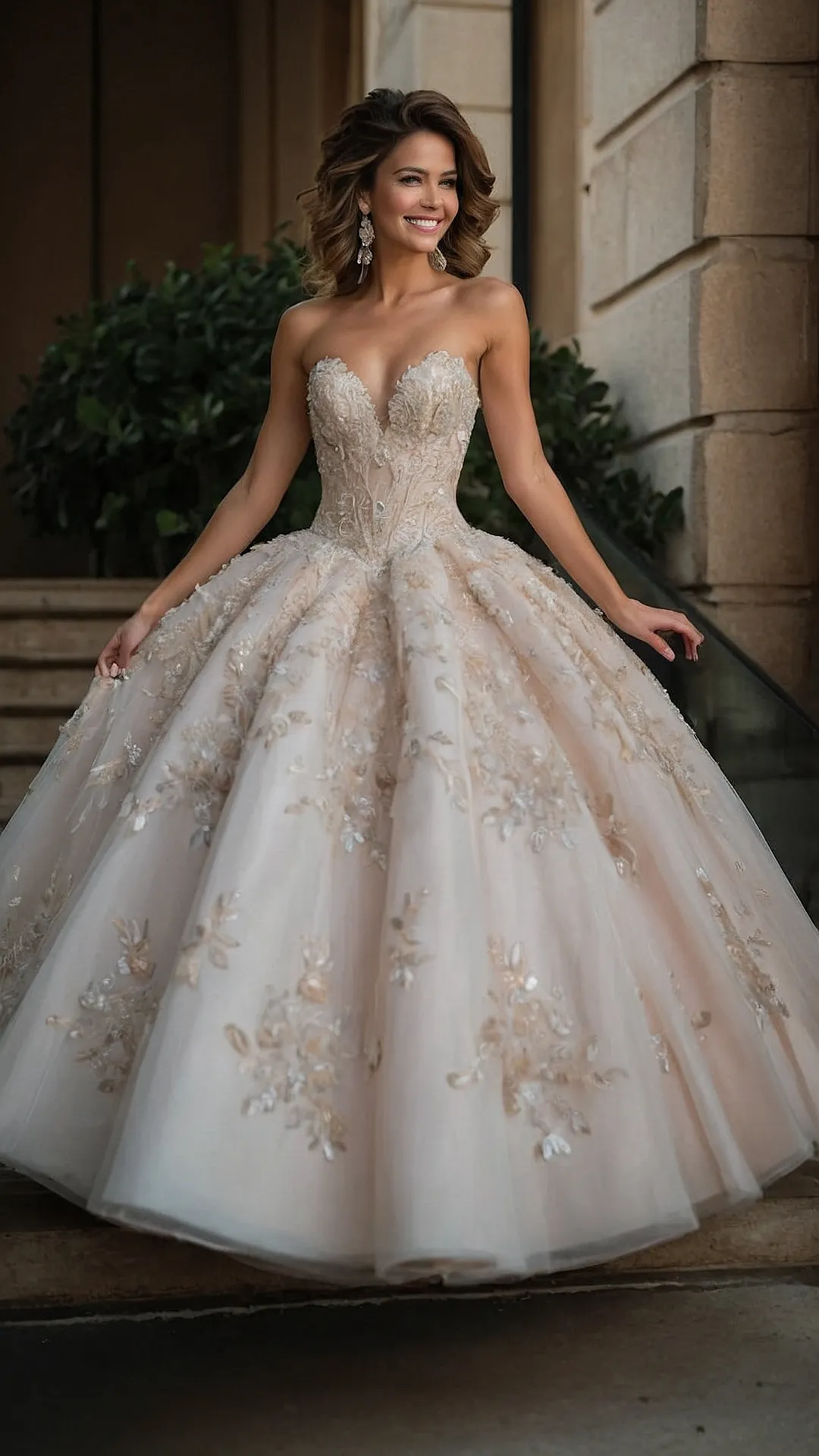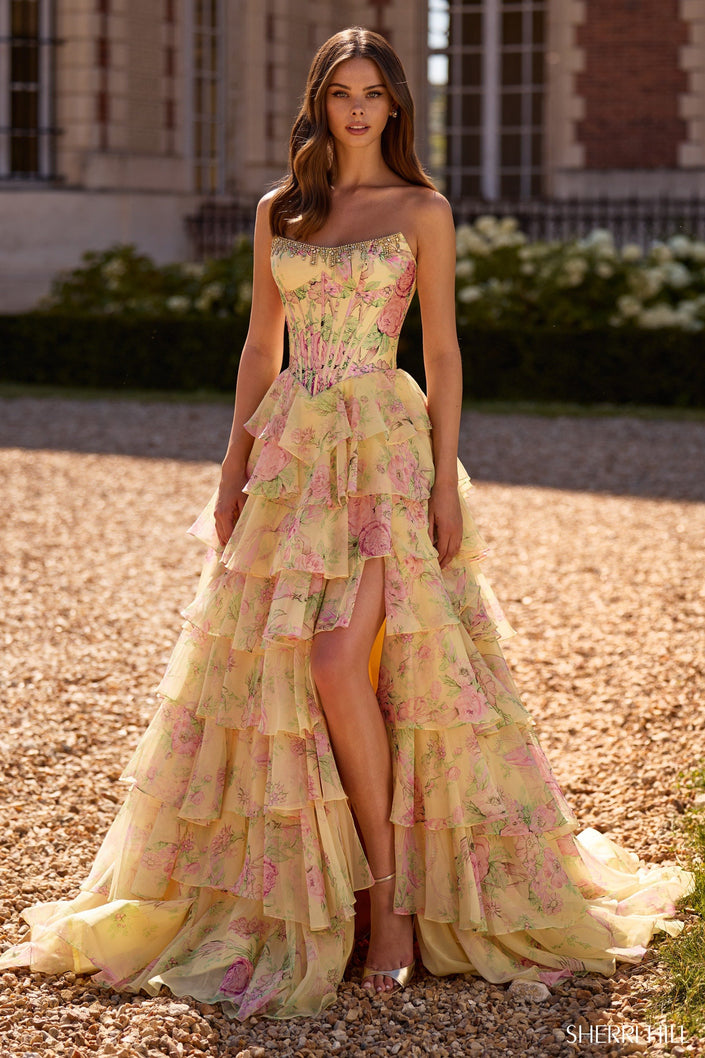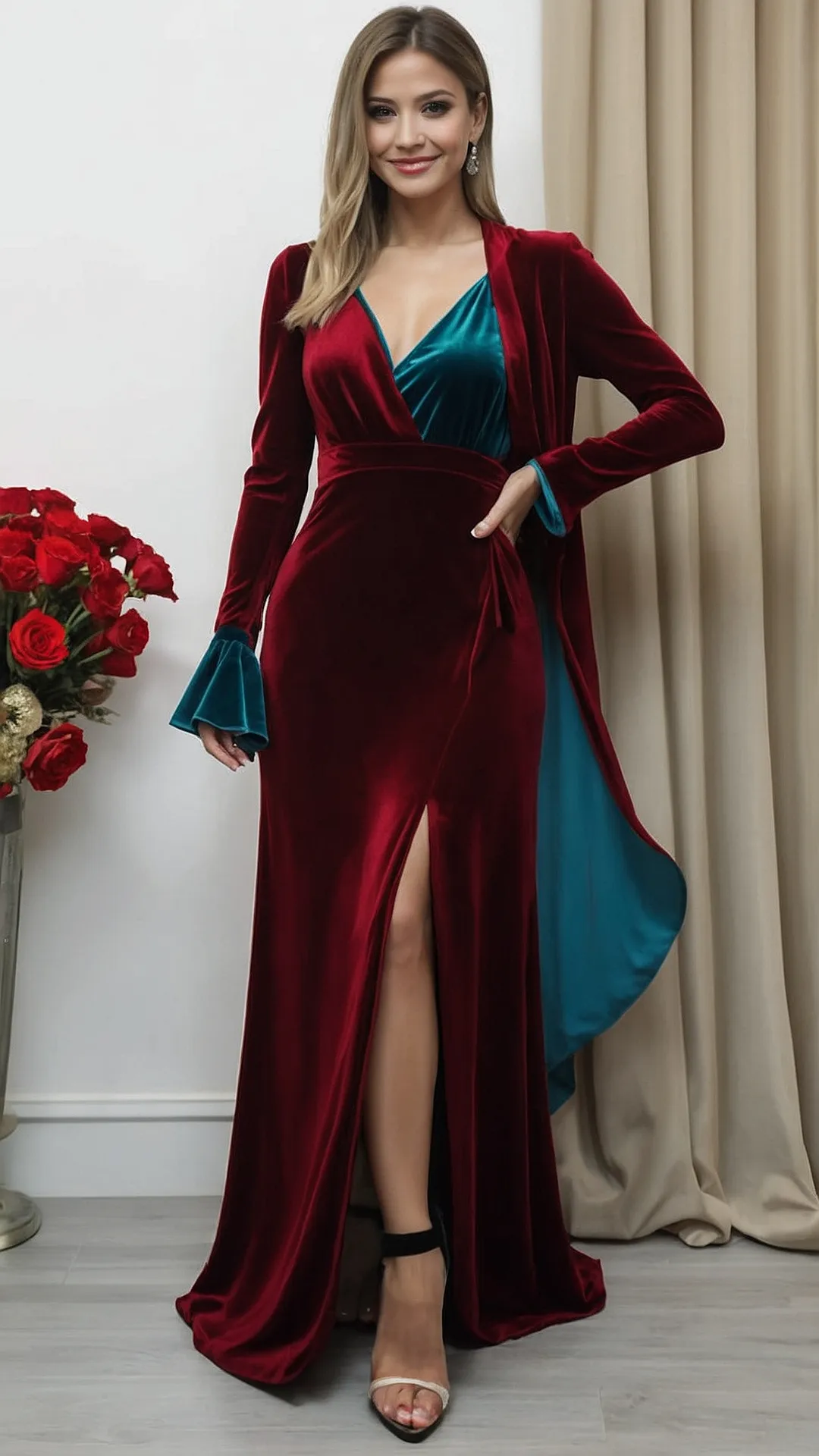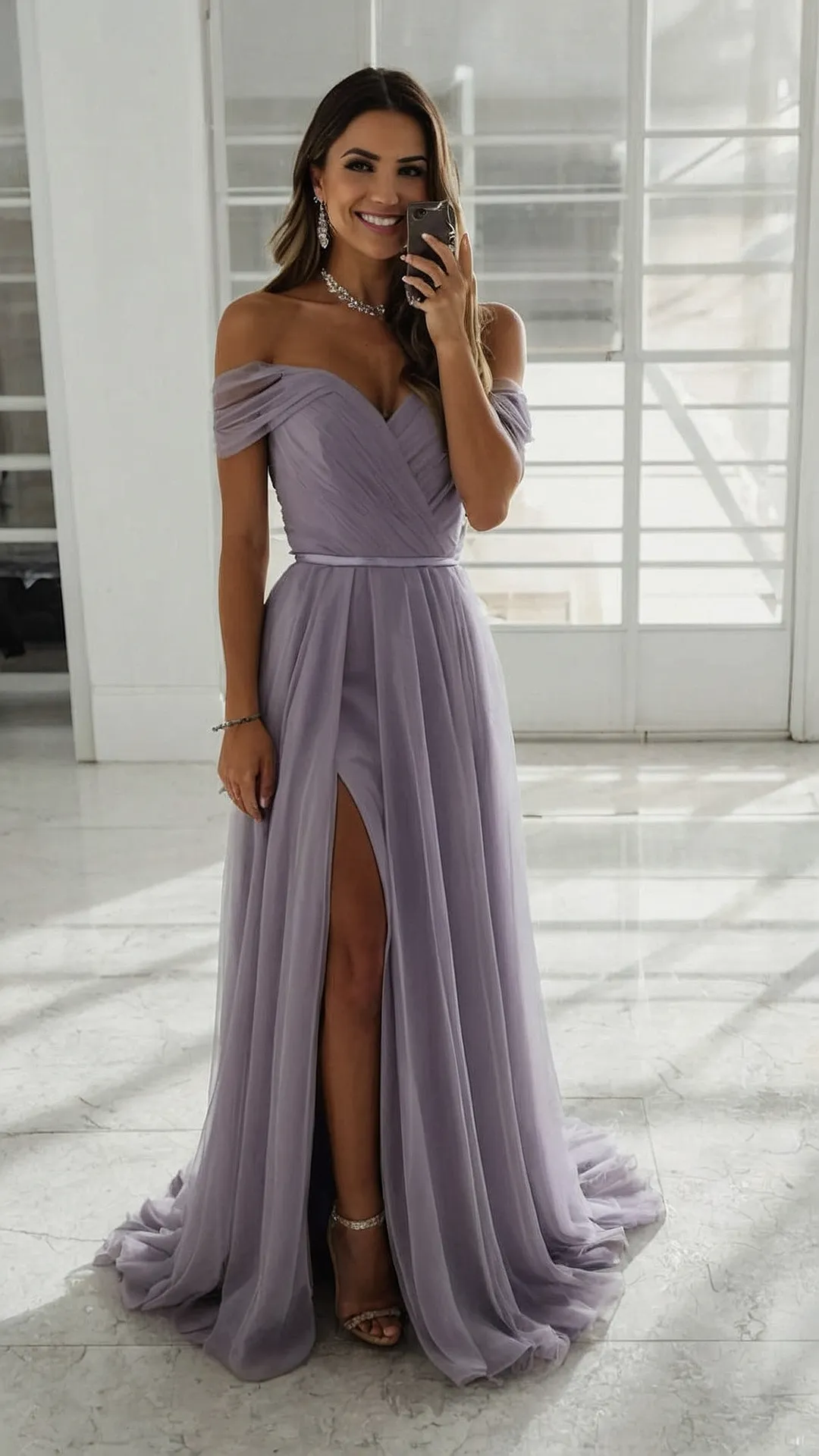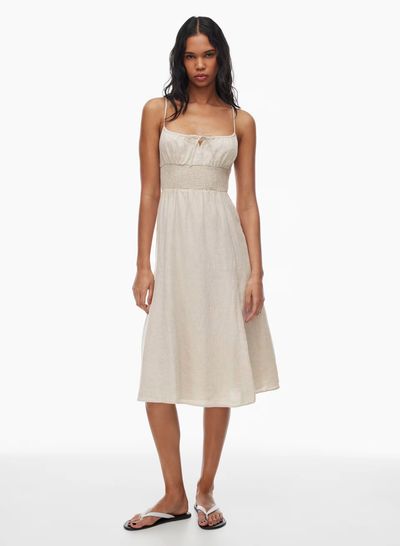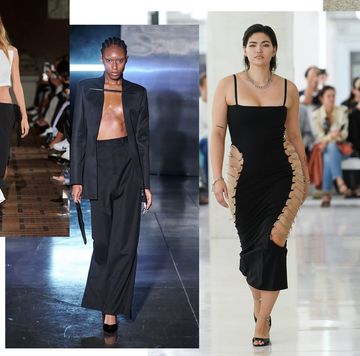
En esta guía te mostramos inspiración para que puedas elegir el outfit ideal.
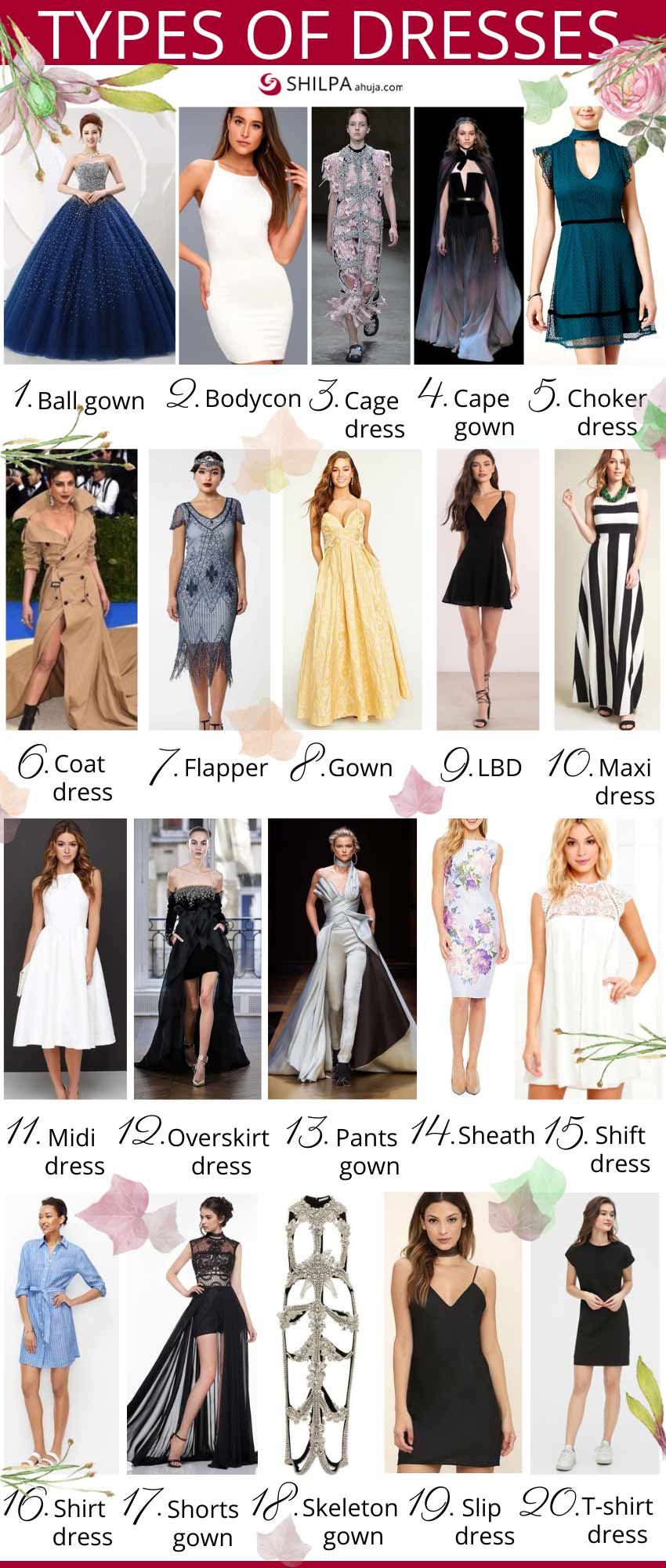
Discover the Latest Dress Styles: A Comprehensive Guide to Dress Cuts and Designs

Para un look moderno, considera optar por siluetas ajustadas que realzan la figura. Los modelos de corte lápiz son ideales para ocasiones formales, mientras que los diseños de corte A ofrecen comodidad y elegancia para eventos casuales.

Los escotes en V y redondos son opciones versátiles que se adaptan a diferentes tipos de cuerpo. Si estás buscando algo más atrevido, los escotes asimétricos pueden añadir un toque único a tu atuendo.

Los estampados florales y geométricos están en auge, aportando frescura a cualquier conjunto. Combina estos patrones con accesorios sencillos para mantener el equilibrio en tu apariencia.

Los tejidos ligeros como el algodón y la seda son perfectos para climas cálidos, mientras que las mezclas de lana y poliéster son ideales para temporadas más frías. No olvides considerar la longitud: los modelos midi son perfectos para un look sofisticado, mientras que los maxi ofrecen un aire bohemio.

Understanding Dress Cuts

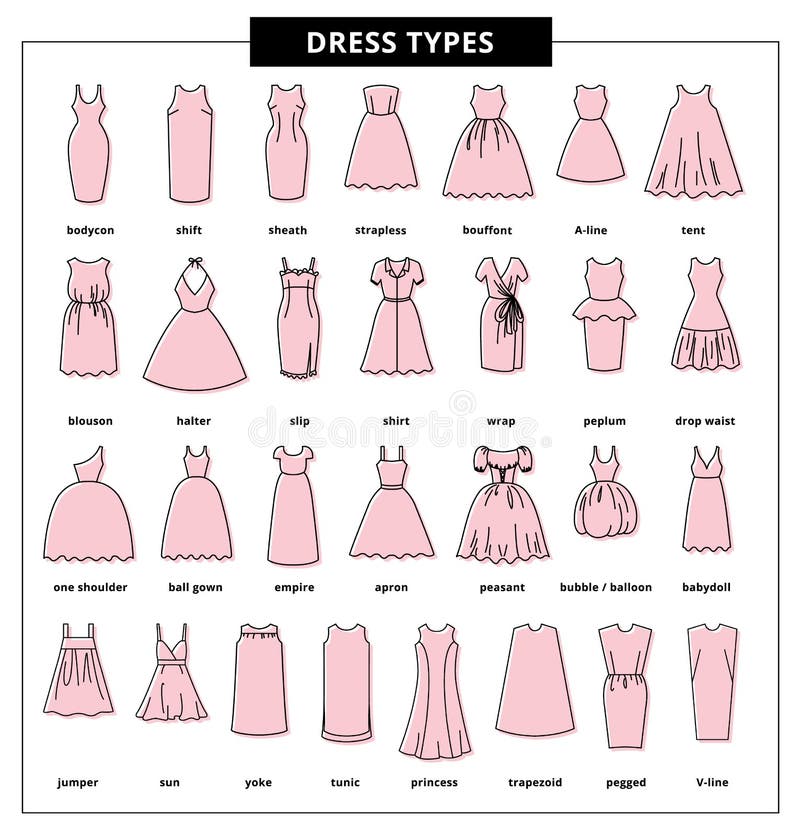
Los cortes de vestidos son aspectos clave en la moda. Cada tipo brinda una posibilidades a varios tipos de cuerpo. A continuación se presentan algunos de las siluetas más populares:

Corte Descripción Recomendaciones
A-line Se entalla en la parte superior y se expande hacia abajo. Ideal para cuerpos en forma de pera.
Empire Cintura alta justo debajo del busto, fluyendo libremente. Recomendado para mujeres con barrigas o que buscan disimular cintura.
Sheath Ceñido al cuerpo, destaca la figura. Perfecto para ocasiones formales y cuerpos delgadas.
Ballgown Cuerpo ajustada con falda amplia y voluminosa. Perfecto para eventos de gala y bodas.
Fit and Flare Ceñido en la parte superior y amplio en la parte inferior. Flexible para diferentes formas.

Conocer los cortes facilita a elegir de la ropa adecuada según cada evento. No dudes en experimentar diferentes tipos hasta que encuentres el que mejor se adapte.
lo que lo

What is a A-Line Dress and Who Should Wear It?

What is a A-Line Dress and Who Should Wear It?

Un vestido en forma de A es un diseño que se ajusta en la parte superior y se ensancha gradualmente hacia el dobladillo, creando una silueta que favorece diversas figuras. Este estilo es ideal para quienes buscan resaltar la cintura y disimular las caderas.

Las personas con forma de pera, que tienen caderas más anchas en comparación con los hombros, se benefician enormemente de este corte. También es adecuado para aquellas que desean un look más equilibrado, ya que la forma de A ayuda a crear una apariencia armoniosa.

Además, este modelo es versátil y puede adaptarse a diferentes ocasiones, desde eventos formales hasta salidas casuales. Se puede encontrar en una variedad de tejidos y patrones, lo que permite personalizar el atuendo según el gusto individual.

En definitiva, un vestido en forma de A es una opción excelente para quienes buscan un estilo que combine comodidad y elegancia, especialmente para aquellas con caderas más anchas o que desean acentuar su figura de manera favorecedora.

Exploring the Benefits of Fit-and-Flare Styles

El estilo fit-and-flare es ideal para resaltar la figura femenina. Este diseño se ajusta en la parte superior y se ensancha a partir de la cintura, creando una silueta favorecedora.

  • Proporciona comodidad y libertad de movimiento, lo que lo hace perfecto para eventos sociales.
  • Disimula áreas problemáticas, como la cadera y el abdomen, gracias a su corte estratégico.
  • Versatilidad en ocasiones: adecuado para bodas, fiestas o incluso para el uso diario.
  • Se puede combinar con diferentes tipos de calzado, desde tacones hasta zapatillas, adaptándose a cada estilo personal.

Al elegir un vestido fit-and-flare, considera los siguientes aspectos:

  1. Material: Opta por telas que ofrezcan estructura, como el algodón o el poliéster, para mantener la forma.
  2. Longitud: Los modelos pueden variar desde mini hasta maxi; elige según tu preferencia y ocasión.
  3. Colores y patrones: Los tonos sólidos suelen ser más elegantes, mientras que los estampados pueden añadir un toque divertido.

Este corte es una opción atemporal que se adapta a diferentes tipos de cuerpo, asegurando que cada mujer se sienta segura y hermosa.

How to Choose the Right Sheath Dress for Your Body Type

Para un cuerpo en forma de reloj de arena, opta por un vestido que acentúe la cintura. Busca detalles como cinturones o costuras que definan esta área.

Si tienes una figura rectangular, elige un modelo que añada curvas. Los vestidos con volantes o drapeados en la parte superior pueden crear una ilusión de forma.

Para siluetas de pera, selecciona un diseño que se ajuste bien en la parte superior y fluya en la parte inferior. Los escotes en V y los detalles en la parte superior atraerán la atención hacia el torso.

Si tu figura es más bien triangular invertida, busca un vestido que equilibre tus hombros anchos. Los estilos con faldas más amplias o detalles en la parte inferior ayudarán a crear armonía.

Las mujeres con una figura más curvilínea deben optar por tejidos que ofrezcan soporte. Un vestido con forro y un corte que se ajuste a las caderas puede ser ideal.

Recuerda que la longitud también es clave. Un vestido que llegue justo por encima de la rodilla puede ser favorecedor para la mayoría de las formas corporales.

Finalmente, no subestimes la importancia de los accesorios. Un buen par de tacones puede alargar las piernas y mejorar la silueta general.

The Timeless Appeal of Maxi Dresses: When to Wear Them

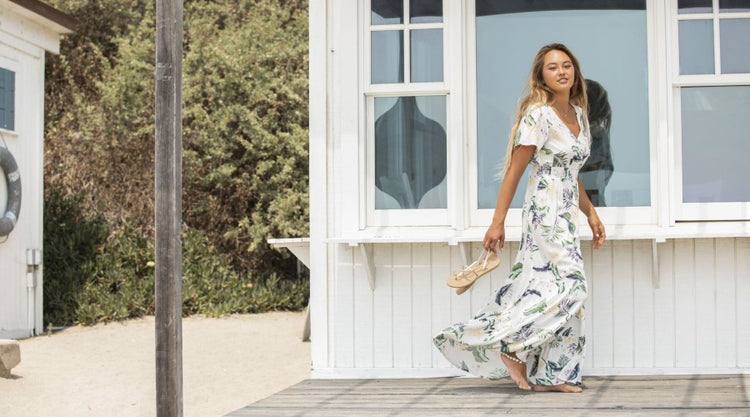
Los vestidos largos son perfectos para eventos al aire libre en climas cálidos. Su corte amplio ofrece comodidad. Llévalos con sandalias para un aire relajado.

Para fiestas nocturnas, elige maxi vestidos con detalles con joyería que aporten elegancia. Las telas fluidas se adaptan bien para disfrutar de la noche.

En vacaciones, los vestidos largos son una opción conveniente. Fáciles de empacar, son perfectos para cenas al aire libre. Llévate una chaqueta ligera para un look completo.
elegir de la ropa

En definitiva, los vestidos largos son multifuncionales para diferentes momentos. Considera tener varios estilos en tu vestidor.

Popular Dress Designs for 2023

Popular Dress Designs for 2023

Slip Dress for Different

Las tendencias más notables de este año incluyen silhuetas ajustadas y sueltas. Los modelos con cortes asimétricos están adquiriendo popularidad, ofreciendo un toque moderno. Los escotes en V y los adornos en la espalda son particularmente buscados.

Los motivos florales y geométricos son esenciales para esta temporada, ofreciendo un aire fresco. Los tonos pastel y los colores vivos están en auge, generando contrastes interesantes.

Los materiales ligeros como el algodón y la seda son preferidos para el clima cálido, mientras que las superficies como el terciopelo son perfectas para eventos nocturnos. Las mangas abullonadas y los fruncidos añaden un elemento romántico a los diseños.

Las largo midi y maxi son favoritas para cualquier ocasión, ofreciendo versatilidad. Los accesorios como cinturones anchos y joyería minimalista realzan el look final.

Key Features of Bohemian Dresses This Season

Esta temporada, los atuendos bohemios presentan tonalidades suaves que reflejan la esencia de la naturaleza. Los patrones florales son en varias variantes, sumando un matiz artístico a cada prenda.

Las líneas relajadas son esenciales en las creaciones de este estilo. Las líneas de escote en forma de corazón así como los adornos de encaje ofrecen una sensación bohemio a cada atuendo.
de las formas corporales

Los materiales translúcidos incluyendo el algodón se utilizan para ofrecer comodidad. Los detalles incluyendo borlas y los lazos en los dobladillos realzan la apariencia bohemia.

esenciales para

En cuanto a los complementos, los collares largos así como los sombreros de ala ancha se consideran fundamentales para completar el look. Los zapatos cómodos también se han vuelto una alternativa ideal para acompañar esta tendencia.

How to Style a Slip Dress for Different Occasions

How to Style a Slip Dress for Different Occasions

Para un evento formal, combina un vestido de tirantes con un blazer estructurado y tacones altos. Añade joyas delicadas para un toque elegante.

Para un look casual, opta por una camiseta de manga larga debajo del vestido y zapatillas blancas. Completa con una mochila de cuero.

En una cita nocturna, elige un vestido de tirantes de seda con sandalias de tiras y un clutch brillante. Un labial rojo realzará el conjunto.

Para un día de verano, usa el vestido con sandalias planas y un sombrero de paja. Un bolso de mimbre complementará el estilo relajado.

En un ambiente de oficina, combina el vestido con una camisa blanca y un cinturón. Usa zapatos de tacón medio para un acabado profesional.

Para un festival, añade una chaqueta de mezclilla y botas de combate. Accesorios bohemios como pulseras y collares largos son ideales.

  • Evento formal: blazer, tacones, joyas delicadas.
  • Look casual: camiseta, zapatillas, mochila de cuero.
  • Cita nocturna: sandalias de tiras, DIY clutch brillante, labial rojo.
  • Día de verano: sandalias planas, sombrero de paja, bolso de mimbre.
  • Ambiente de oficina: camisa blanca, cinturón, zapatos de tacón medio.
  • Festival: chaqueta de mezclilla, botas de combate, accesorios bohemios.

Vídeo:

En esta guía te mostramos trucos de limpieza consejos para que puedas combinar el estilo perfecto.

Stunning Dress Photos: Capture the Perfect Look for Every Occasion

Para lograr imágenes memorables de atuendos, considera la iluminación natural. La luz suave del amanecer o el atardecer proporciona un brillo favorecedor que resalta los detalles y texturas de la prenda. Evita las sombras duras y busca lugares con luz difusa, como cerca de ventanas o al aire libre en días nublados.

La elección del fondo es igualmente crucial. Opta por escenarios que complementen el atuendo sin distraer la atención. Superficies lisas o patrones sutiles funcionan bien, mientras que fondos caóticos pueden restar valor a la imagen. Experimenta con diferentes ángulos y distancias para encontrar la composición más atractiva.

Además, la pose del modelo puede transformar la percepción del atuendo. Prueba diferentes posturas que acentúen la silueta y el movimiento de la tela. Un ligero giro o una inclinación de la cabeza pueden añadir dinamismo a la toma. No subestimes el poder de la expresión facial; una sonrisa genuina o una mirada pensativa pueden contar una historia única.

Finalmente, la edición es una herramienta poderosa. Ajusta el contraste y la saturación para realzar los colores sin exagerar. Recuerda que la postproducción debe mejorar la imagen, no cambiarla por completo. Con estos consejos, estarás en camino de crear retratos que capturen la esencia de cada atuendo de manera excepcional.

Choosing the Right Dress for Your Photoshoot

Choosing the Right Dress for Your Photoshoot

Selecciona un atuendo que complemente tu figura y resalte tus mejores características. Opta por cortes que se ajusten a tu silueta, como un vestido ajustado o uno con vuelo, dependiendo de lo que desees transmitir.

Elige colores que armonicen con el entorno de la sesión. Tonos neutros funcionan bien en exteriores, mientras que colores vibrantes pueden destacar en fondos más simples.

Considera el tipo de tela. Materiales fluidos como la gasa o el satén aportan movimiento, mientras que telas más estructuradas ofrecen un aspecto más formal y elegante.

Asegúrate de que el atuendo sea cómodo. La confianza se refleja en las imágenes, así que evita prendas que restrinjan tus movimientos o que no te hagan sentir bien.

No olvides los accesorios. Unos pendientes llamativos o un cinturón pueden transformar un atuendo sencillo en algo especial, añadiendo un toque personal a tus fotografías.

Prueba diferentes estilos antes de la sesión. Realiza un ensayo con el atuendo elegido para ver cómo se ve en cámara y ajusta según sea necesario.

con antelación al

Understanding Dress Styles for Different Events

Understanding Dress Styles for Different Events

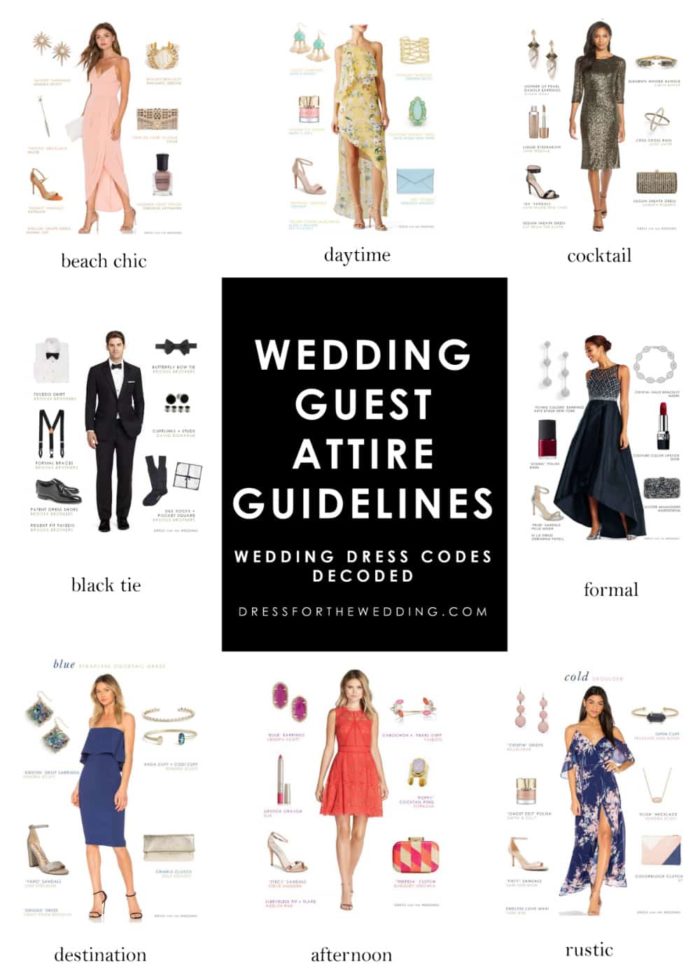
Para una boda, opta por un vestido largo y elegante, preferiblemente en tonos suaves o pasteles. Los tejidos como la seda o el encaje son ideales.

  • Vestidos de cóctel: Perfectos para fiestas formales, suelen ser de longitud media y con detalles llamativos.
  • Vestidos de gala: Para eventos muy formales, elige modelos con brillo o pedrería.

En una reunión de trabajo, selecciona un atuendo más conservador. Un vestido midi en colores neutros, combinado con un blazer, es una opción acertada.

un espacio que mejora tu

  1. Vestidos ajustados: Aportan un aire profesional, pero asegúrate de que no sean demasiado reveladores.
  2. Vestidos camiseros: Combinan comodidad y elegancia, ideales para un ambiente de oficina.

Para una salida casual, considera un vestido corto o un maxi vestido. Los estampados florales o los colores vivos son perfectos para un look relajado.

  • Vestidos de verano: Livianos y frescos, ideales para climas cálidos.
  • Vestidos de jersey: Cómodos y versátiles, se pueden usar en diversas ocasiones informales.

En eventos deportivos, elige un vestido cómodo y funcional. Los tejidos transpirables y los cortes sueltos son recomendables.

  1. Vestidos deportivos: Diseñados para la movilidad, suelen tener un estilo más relajado.
  2. Vestidos de algodón: Fáciles de llevar y mantener, perfectos para actividades al aire libre.

Para una cita, un vestido que resalte tu figura es ideal. Los colores oscuros o los tonos rojos pueden añadir un toque de sofisticación.

  • Vestidos ajustados: Pueden ser muy atractivos, pero asegúrate de que te sientas cómoda.
  • Vestidos con escote: Aportan un aire seductor, pero elige con cuidado según el lugar.

Color Theory: What Shades Work Best?

Color Theory: What Shades Work Best?

Los tonos cálidos, como el rojo, naranja y amarillo, son ideales para ocasiones festivas y eventos sociales. Estos colores transmiten energía y entusiasmo, atrayendo la atención de los demás.

Por su parte, los colores fríos, como el azul, verde y morado, son perfectos para situaciones más formales o profesionales. Estos matices evocan calma y confianza, lo que puede ser beneficioso en entornos laborales.

Para un look equilibrado, considera combinar tonos neutros, como el blanco, negro y gris, con acentos de colores más vivos. Esto permite destacar sin abrumar.

  • Rojo: Ideal para citas o eventos nocturnos.
  • Azul: Perfecto para entrevistas o reuniones de trabajo.
  • Verde: Aporta frescura, excelente para eventos al aire libre.
  • Amarillo: Atrae la atención, adecuado para fiestas y celebraciones.
  • Negro: Clásico y elegante, adecuado para casi cualquier ocasión.

Ten en cuenta el tono de piel al elegir colores. Los tonos cálidos favorecen a pieles cálidas, mientras que los tonos fríos son más adecuados para pieles frías. Realiza pruebas con diferentes matices para encontrar el que mejor resalte tus características.

Finalmente, no subestimes el poder de los accesorios. Un toque de color en zapatos o joyas puede transformar un atuendo simple en algo memorable.

Fabric Choices: How They Affect Your Look

Fabric Choices: How They Affect Your Look

La elección de la tela puede transformar completamente tu apariencia. Opta por algodón para un estilo casual y cómodo, ideal para climas cálidos. Si quieres algo más elegante, elige seda, que aporta un brillo sutil y fluidez. Para eventos formales, el lino es una opción fresca y sofisticada, mientras que el terciopelo añade un toque de lujo y calidez.

Las texturas también juegan un papel crucial. Las telas con bordados o aplicaciones pueden añadir interés visual, mientras que las superficies lisas ofrecen un aspecto más minimalista. Considera el peso de la tela; las más ligeras son perfectas para el verano, mientras que las más pesadas son ideales para el invierno.

El color de la tela influye en la percepción. Tonos oscuros tienden a ser más formales, mientras que los colores claros y brillantes evocan alegría y frescura. Además, las combinaciones de diferentes tejidos pueden crear un efecto dinámico y único.

Finalmente, ten en cuenta el cuidado de la tela. Algunas requieren limpieza en seco, mientras que otras son lavables a máquina. Elegir una tela que se adapte a tu estilo de vida facilitará mantener tu atuendo en óptimas condiciones.

Accessorizing: Enhancing Your Dress with the Right Pieces

Accessorizing: Enhancing Your Dress with the Right Pieces

Los accesorios son fundamentales para mejorar tu atuendo. Selecciona joyas que sean acordes a el matiz de tu ropa. Un ejemplo sería llevar aretes plateado con una prenda de tonos oscuros.

Las zapatillas de igual manera desempeñan un papel importante. Opta por un par que sean en consonancia con la estética de tu atuendo. Por poner un ejemplo son los tacones para un look más chic.

Ten en cuenta los clutchs. Una cartera de color neutro puede ser el complemento ideal para cualquier atuendo. También, los cinturones pueden definir la cintura y agregar un toque adicional.

son ideales

Finalmente, los complementos son la clave para modificar tu atuendo. Experimenta con distintos elementos y identifica lo que mejor te favorece. La innovación será tu mejor amiga en este proceso.

Elige un espacio que

Preparing for the Photoshoot

Preparing for the Photoshoot

Elige un espacio que mejora tu indumentaria. Evalúa la iluminación natural; el amanecer ofrecen condiciones perfectas para imágenes memorables.

Organiza tu look con antelación al sesión. Confirma que cada elemento se encuentre sin arrugas. Ensaya diferentes combinaciones para encontrar la más apropiada.

Ensaya tus actitudes frente a un reflejo. Esto contribuirá a estar relajada durante la sesión. Observa cómo aparece tu cuerpo en diferentes ángulos.

Ten presente los detalles. Un adecuado accesorio puede transformar tu apariencia. Selecciona piezas que resalten tu personalidad.

Comunica con el capturador tus deseos. Dicha comunicación confirmará que ambos estén en sintonía y sean capaces de lograr el efecto deseado.

Location Scouting: Finding the Perfect Backdrop

Location Scouting: Finding the Perfect Backdrop

Explora parques, jardines, calles, edificios históricos en tu área para encontrar, descubrir escenarios, fondos que complementen, realcen tu atuendo. Busca, Observa texturas, colores que contrasten, armonicen con tu estilo, elección de ropa. Considera la luz natural, la hora del día para asegurar, garantizar que las imágenes, capturas tengan un brillo, efecto atractivo.

Visita mercados, plazas, murales que ofrezcan elementos visuales, detalles únicos. Aprovecha, Utiliza arquitectura, naturaleza como fondo, telón de fondo para agregar, incluir interés a tus imágenes, tomas. No subestimes, ignores la importancia, relevancia de la simetría, las líneas en la composición, estructura de tus capturas, imágenes.

Considera la privacidad, el espacio en cada lugar, sitio que elijas. Evita, Mantén distancia de multitudes, distracciones que puedan desviar, restar atención de tu atuendo, elección de vestimenta. Haz una lista, anota de posibles, viables ubicaciones y visítalas, explóralas antes de tomar, realizar las fotos, capturas finales.

Utiliza aplicaciones, herramientas de mapas, geolocalización para identificar, localizar puntos de interés, lugares que puedan, podrían ser adecuados, apropiados. Consulta, Pregunta a amigos, colegas sobre sus, sus propias recomendaciones de escenarios, fondos que hayan, puedan haber utilizado anteriormente.

Timing: Best Times of Day for Natural Light

Timing: Best Times of Day for Natural Light

La mejor luz natural se encuentra durante la hora dorada, que ocurre justo después del amanecer y antes del atardecer. Este periodo proporciona una iluminación suave y cálida, ideal para resaltar detalles y texturas.

Para maximizar la calidad de la luz, considera los siguientes momentos:

Momento del día Descripción
Amanecer (6:00 – 8:00 AM) La luz es suave y dorada, creando un ambiente tranquilo y etéreo.
Mediodía (12:00 – 2:00 PM) La luz es intensa y directa, lo que puede generar sombras duras. Evita este horario si buscas suavidad.
Atardecer (5:00 – 7:00 PM) Similar al amanecer, la luz se vuelve cálida y favorecedora, ideal para retratos y escenas al aire libre.

Además, los días nublados ofrecen una luz difusa que minimiza las sombras, perfecta para capturar imágenes con un tono uniforme.

Para eventos

Planifica tus sesiones fotográficas en estos momentos para obtener resultados óptimos y resaltar la belleza de cada atuendo.

Vídeo:

En este artículo te contamos ideas para encontrar el look ideal.

Fabián Horacio Fernández, el que le puso voz a la energía cotidiana y ahora comunica al Estado

Para quienes buscan destacar en eventos exclusivos, elegir un vestido de alta costura es fundamental. Este año, los diseñadores han presentado colecciones que fusionan tradición y modernidad, ofreciendo siluetas que realzan la figura femenina. Opta por modelos con cortes asimétricos y detalles intrincados que capturan la atención.

Retazos al Sol

Los colores vibrantes y los estampados audaces dominan las pasarelas, mientras que los tejidos lujosos como la seda y el encaje aportan un toque de sofisticación. Considera incorporar elementos como bordados a mano o aplicaciones de pedrería, que añaden un aire de exclusividad a cada prenda.

Además, la sostenibilidad se ha convertido en un aspecto clave en la confección de estas piezas. Muchos creadores están utilizando materiales reciclados y técnicas éticas, lo que no solo beneficia al medio ambiente, sino que también ofrece una narrativa única detrás de cada vestido. Al elegir, busca marcas que prioricen la responsabilidad social y la calidad artesanal.

Finalmente, no subestimes el poder de los accesorios. Complementos como cinturones de diseño o joyería artesanal pueden transformar un atuendo, llevándolo a un nuevo nivel de elegancia. Asegúrate de que cada elemento de tu look refleje tu estilo personal y la ocasión.

Current Color Palettes in Haute Couture

verde menta, dominan las pasarelas, aportando una sensación de frescura.|Los colores metálicos, especialmente el cobre, son prominentes en las colecciones, incorporando un toque de lujo.}

terracota, se han vuelto popularidad por su naturalidad y adaptabilidad.|Los tonos oscuros, como el burgundy, ofrecen una sensación de sofisticación.}

El uso de colores brillantes, como el rojo intenso, miradas y manifiesta una personalidad audaz. |Las combinaciones de colores inusuales, como el naranja y el púrpura, están en muestras que desafían las normas tradicionales.}

La paleta monocromática, gris, facilita un enfoque minimalista que destaca la maestría del diseño.|Los colores degradados, que cambian suavemente de un tono a otro, ofrecen una profundidad atractiva a las piezas.}

What Colors Are Dominating the Runways This Season?

Este año, los desfiles están inundados de colores impactantes}. El color escarlata se destaca como un favorito, simbolizando pasión. Junto a él, el azul vibrante ha capturado la atención, aportando una aura de frescura a las colecciones.

Los matices terrosos también están en auge, con ocres que evocan una relación con la naturaleza. Estos matices ofrecen una esencia perfecta para mezclas sofisticados.

Además, el verde vibrante se ha convertido en un elemento clave, aportando un sabor de refinamiento. Los colores claros también están presentes, con rosas que añaden un aire de feminidad a las pasarelas.

Finalmente, el color oscuro sigue siendo un fundamento en la moda, ofreciendo adaptabilidad y estilo atemporal. Este rango de tonos promete renovar el guardarropa de esta temporada.

How to Incorporate Trending Colors into Your Wardrobe

Para añadir colores actuales a tu vestuario, considera complementar prendas en tonos neutros con accesorios en colores intensos. Por poner un ejemplo, un abrigo gris puede destacarse con un pañuelo en un tono llamativo.

Otra opción es optar por prendas en colores populares como base y agregar capas en tonos más suaves. Un vestido vibrante puede complementarse con un suéter en un tono neutro.

Los accesorios son una forma fácil de incorporar colores novedosos. Carteras o calzado en tonos de temporada pueden transformar un conjunto básico.

transformar un

Considera también jugar con patrones que incluyan tonos actuales. Una blusa con un diseño moderno puede ser el elemento focal de tu apariencia.

Finalmente, no temas mezclar diferentes tonos en un solo look. La combinación de colores contrapuestos puede crear un efecto impactante y original.

Seasonal Color Combinations to Watch For

El primero conjunto de los colores que observar son los verde con el púrpura. Dicha fusión ofrece un aire fresco y sofisticada la cual destaca durante eventos formales.

Adicionalmente, el rojo junto de oro crea una efecto estético el cual nunca pasa sin ser notado. Perfecto para galas y celebraciones, dicho conjunto resulta una excelente elección.

Además, los tonos suaves tal como la rosa con el azul claro se ver durante la temporada en eventos de los día. Dichos tonos ofrecen un matiz de y vitalidad.

Seda</p>
<p>Fluida” height=”640″ src=”https://assets.vogue.com/photos/692f25dee100a13d218605b4/1:1/w_640%2Cc_limit/2237368093″ title=”Seda</p>
<p>Fluida” width=”640″/></p>
<p>Por último, la entre el azul y la naranja brillante puede transformar en una elección arriesgada en cualquier tipo de evento. Dicho contraste entre colores tiene ser ideal para una nocturna.</p>
<p><h2>Innovative Fabrics and Textures</h2>
</p>
<p>Las telas inteligentes como el <strong>neopreno</strong> y el <strong>tul elástico</strong> están ganando popularidad. Estas opciones ofrecen una estructura única y un ajuste perfecto, ideales para siluetas modernas.</p>
<p>Los <strong>tejidos reciclados</strong> están en auge, combinando sostenibilidad con estilo. Marcas están utilizando <strong>botellas de plástico recicladas</strong> para crear materiales elegantes y ecológicos.</p>
<ul>
<li><strong>Microfibra</strong>: Suave y ligera, perfecta para capas y detalles intrincados.</li>
<li><strong>Organza metálica</strong>: Aporta un brillo sutil, ideal para eventos nocturnos.</li>
<li><strong>Jacquard 3D</strong>: Textura tridimensional que añade profundidad a los diseños.</li>
</ul>
<p>Las <strong>telas con memoria</strong> permiten que las prendas mantengan su forma original, ofreciendo comodidad y estilo. Este tipo de material es ideal para diseños estructurados.</p>
<p><img loading=

El uso de tecnología de impresión 3D está transformando la creación de texturas, permitiendo patrones complejos y personalizados que antes eran imposibles de lograr.

  1. Explora seda sintética para un acabado lujoso y fácil mantenimiento.
  2. Considera lino tratado para un look fresco y moderno.
  3. Incorpora poliéster reciclado para un enfoque más sostenible.

Las telas de malla están siendo utilizadas para crear capas ligeras, añadiendo un toque etéreo a las prendas. Este material es perfecto para detalles de superposición.

La combinación de texturas mate y brillantes en un solo diseño puede crear un efecto visual impactante, atrayendo la atención hacia los detalles.

Which Fabrics Are Making a Comeback?

El terciopelo está resurgiendo en líneas de alta costura, aportando un aire de sofisticación. Su textura lo convierte en una opción perfecta para atuendos de evento.

La seda pura también está regresando, aportando brillo y movimiento a las confecciones. Su versatilidad para ser diferentes estilos la hace indispensable en cualquier línea.

El encaje sofisticado está ocupando un rol destacado, incorporando romanticismo a las creaciones. Se aplica en detalles o como material principal en prendas.

El lino fresco está volviendo en líneas de verano, ofreciendo ligereza y estilo. Su naturaleza ligera lo convierte en una opción ideal para días soleados.

El satén está regresando con fuerza, brindando un resplandor delicado a las creaciones. Resulta perfecto para vestidos de noche.

How to Choose the Right Fabric for Your Dress

Selecciona una tela que se adapte a el evento y las condiciones climáticas. Como referencia, las fibras naturales son ideales para temperaturas altas, mientras que los tejidos pesados son mejores para temperaturas bajas.

Considera la caída de la tela. Las telas ligeras como el chiffon ofrecen un movimiento elegante, mientras que los materiales estructurados como el tafetán aportan estructura al diseño.

Evalúa la textura de la tela. Las opciones suaves como el satén resultan placenteros para usar, mientras que las telas con textura pueden ser incómodos en contacto con la piel.

Ten en cuenta el mantenimiento de la tela. Ciertas telas requieren lavado en seco, mientras que otras pueden lavarse a máquina. Opta por un material que se ajuste a tu estilo de vida.

Tipo de Tela Características Uso Recomendada
Algodón Transpirable, cómodo Climas cálidos, casual
Seda Fluida, elegante Eventos formales
Lana Cálida, estructurada Climas fríos
Tafetán Rígido, con cuerpo Vestidos de fiesta
Chiffon Ligero, etéreo Vestidos de verano

Finalmente, prueba de muestras de tela para ver cómo se siente en tu piel y cómo luce en el diseño final. Esto te ayudará a hacer una elección informada.

Considera también jugar con

Understanding the Role of Texture in Haute Couture

La textura es un elemento clave en la alta costura, ya que aporta profundidad y carácter a las prendas. Para lograr un impacto visual, es recomendable combinar diferentes materiales, como seda, encaje y terciopelo.

Algunas sugerencias para trabajar con texturas incluyen:

  • Utilizar capas de diferentes tejidos para crear un efecto tridimensional.
  • Incorporar bordados o apliques que añadan interés táctil.
  • Experimentar con técnicas de plisado o drapeado para resaltar la forma.

La elección de la textura también influye en la caída y el movimiento de la prenda. A modo de ejemplo, los tejidos más pesados como el brocado ofrecen estructura, mientras que las telas ligeras como la gasa permiten un flujo más suave.

Es fundamental considerar cómo la luz interactúa con las texturas. Materiales brillantes reflejan la luz, rutina doméstica creando un efecto llamativo, mientras que los acabados mate aportan sofisticación y elegancia.

Daniel González y el pulso energético de la vida moderna

Finalmente, la textura puede ser utilizada para contar una historia o transmitir una emoción. Al seleccionar cuidadosamente los materiales, se puede evocar un sentido de lujo y exclusividad que es característico de la alta costura.

Vídeo:

Главная сложность в том, что домашний уход чаще улучшает фон и снижает реактивность, но не всегда может полностью убрать уже сформировавшиеся сосуды. Именно поэтому часть пациентов разочаровывается: крем «успокаивает», но звездочка остаётся. В таких случаях врач может предложить процедуры по показаниям, которые воздействуют на сосудистую составляющую, а уход помогает закрепить результат и снизить появление новых элементов.

Ниже — 6 разделов с H2 и блок FAQ. Каждый абзац оформлен в формате спинтакса (2–3 варианта), чтобы статья была уникальной и SEO-релевантной. Мы избегаем опасных советов по самолечению: при выраженной сосудистой сетке важно выбирать щадящие решения.

Что такое сосудистые звездочки и почему они появляются

Сосудистые звездочки — это видимые расширенные мелкие сосуды, ксредство от сосудистых звездочекорые проявляются на коже в виде тонких красных линий, сеточки или «лучиков». На лице они часто связаны с куперозом и чувствительной реактивной кожей, а на ногах могут появляться в рамках сосудистой склонности и нагрузки на венозную систему. Визуально элементы похожи, но причины и тактика могут отличаться.

На ногах сосудистые звездочки иногда сочетаются с тяжестью и средство от сосудистых звездочекёчностью, и в таком случае полезна оценка сосудистых факторов. Врач подскажет дальнейшие шаги.

Почему обещания «убрать за неделю» обычно нереалистичны

Важно не только «что наносить», но и чего избегать. Разогревающие маски, агрессивные скрабы, спиртовые лосьоны и частые горячие процедуры часто усиливают сосудистую реакцию. Даже хороший крем не поможет, если ежедневно провоцировать покраснение и раздражение.

Если кожа реагирует жжением на многие средства, выбирайте минималистичный и мягкий уход и вводите новое постепенно. Врач поможет настроить систему ухода так, чтобы она переносилась спокойно.

Уход для укрепления барьера и снижения покраснения

Также важно учитывать триггеры: перегрев, баня/сауна, горячие напитки, резкие перепады температуры, интенсивные разогревающие тренировки. Контроль этих факторов не означает «запретить всё», но помогает коже быть спокойнее и визуально ровнее.

Если у вас есть признаки розацеа (приливы, жжение, реакция на тепло), уход должен быть максимально деликатным. Иногда дерматолог рекомендует упростить рутину, чтобы снизить реактивность.

Когда нужна оценка венозных факторов

Домашние кремы и гели для ног могут улучшать ощущение комфорта и состояние кожи, но обычно не удаляют сосуды полностью. Реалистичная роль ухода — поддержка и профилактика: меньше раздражения, больше комфорта и забота о коже. Для выраженных сосудистых элементов чаще рассматривают процедуры по показаниям.

Избегайте сомнительных домашних методов «прижигания» сосудов и агрессивных средств — это может привести к ожогу и ухудшить внешний вид кожи.

Лазерные и световые методы по показаниям

В восстановительный период обычно избегают перегрева, активного солнца и агрессивного ухода. Это снижает риск раздражения и помогает коже восстановиться ровнее. Правильная реабилитация — часть результата, особенно если кожа склонна к покраснению и чувствительности.

При склонности к пигментации и высокой чувствительности врач может рекомендовать более деликатный протокол и более строгий режим защиты. Это снижает риск нежелательных реакций.

FAQ: средство от сосудистых звездочек

Ниже — ответы на частые вопросы. Они помогают сориентироваться, но не заменяют консультацию: сосудистые звездочки бывают разной природы и в разных зонах, поэтому тактика индивидуальна. Мы не обсуждаем дозировки и не назначаем медпрепараты — это делает врач.

Можно ли убрать сосудистые звездочки кремом?

Обещания мгновенного исчезновения сосудов чаще нереалистичны, потому что для удаления заметных сосудов нужна медицинская методика по показаниям.

Какое средство от сосудистой сетки на ногах лучше при сосудистой сетке на лице?

Для лица важнее система: мягкое очищение, увлажнение и поддержка барьера, чем один «сильный крем».

Когда обращаться к врачу?

Если есть тяжесть, отёчность или быстрое увеличение сетки, стоит обсудить это с врачом и при необходимости получить профильную консультацию.

Какие процедуры помогают при сосудистых звездочках?

Нередко нужен курс, потому что воздействие должно быть безопасным и дозированным. План подбирают индивидуально.

Какие привычки ухудшают ситуацию?

Резкие перепады температуры и разогревающие маски могут усиливать сосудистые проявления, особенно на лице.

Нужны ли уход и SPF постоянно?

Чем стабильнее уход и привычки, тем меньше шанс появления новых элементов, а врач поможет адаптировать рекомендации под вашу реальность.

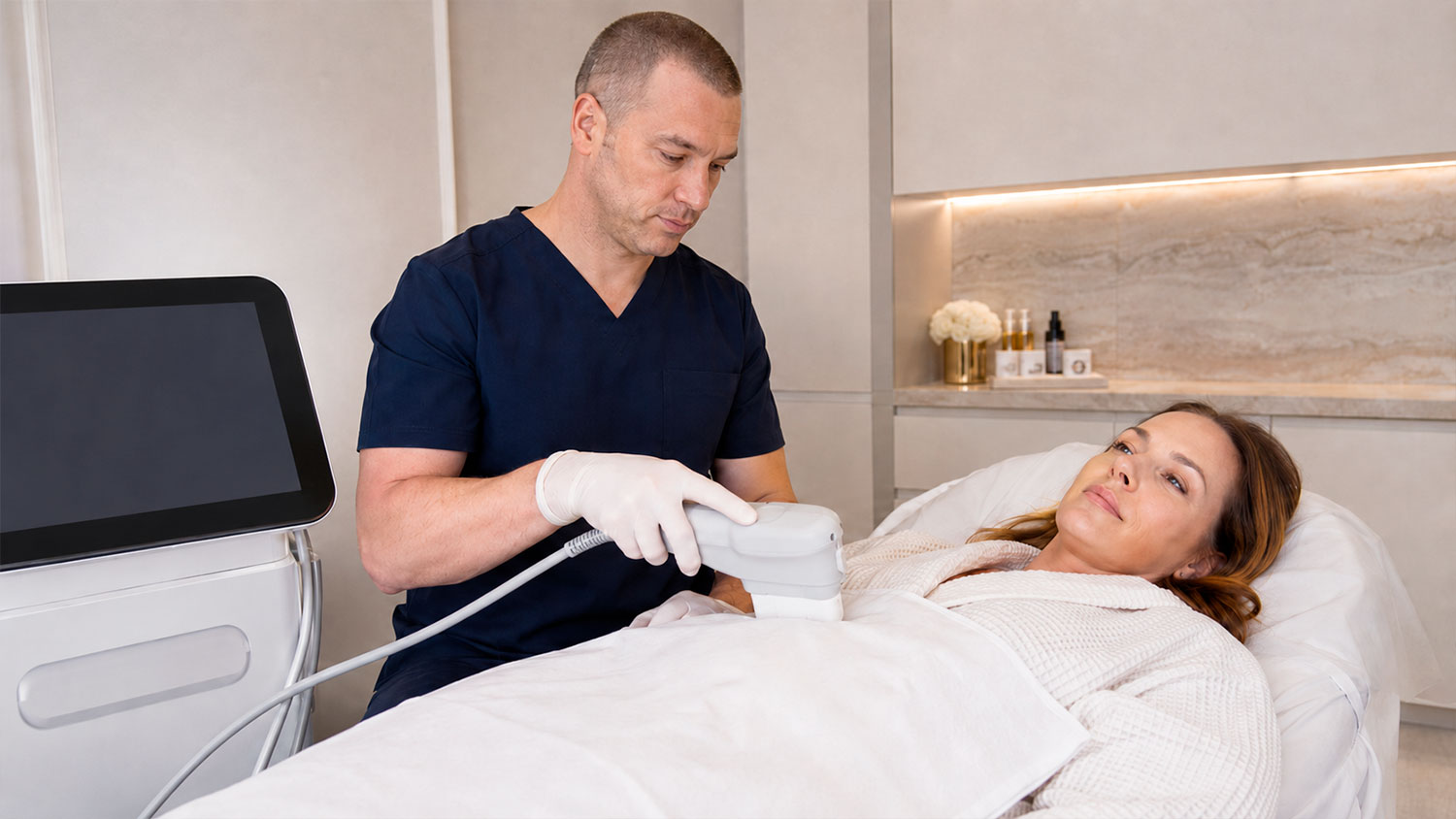
HIFU smas-лифтинг интимной зоны без операции интимной зоны применяется для деликатной стимуляции поддерживающих структур. Важно понимать, что процедура направлена на улучшение качества тканей, а не на радикальное изменение анатомии. Перед проведением обязательна консультация и оценка показаний.

Снижение тонуса тканей может быть связано с различными факторами, включая возрастные изменения, послеродовой период или гормональные особенности. Только очная консультация помогает определить, подходит ли пациентке аппаратный SMAS.

Механизм ремоделирования тканей

HIFU-технология позволяет воздействовать на поддерживающие структуры, не нарушая целостность поверхностных слоёв. Благодаря точности глубины врач может работать прицельно и аккуратно. Такой подход снижает травматичность процедуры.

Контролируемое воздействие распределяется равномерно по выбранной зоне в соответствии с индивидуальным планом. Параметры подбираются с учётом клинической задачи и состояния тканей.

Показания к SMAS-лифтингу интимной зоны

Методика может обсуждаться при умеренных изменениях, когда нет необходимости в хирургической коррекции. В таких случаях аппаратная стимуляция позволяет улучшить качество тканей без операции.

Возраст не является главным критерием. Важнее состояние тканей и наличие жалоб.

Ощущения во время воздействия

Во время сеанса используется специализированная насадка для обработки выбранной зоны. Возможны ощущения тепла или лёгкого покалывания, интенсивность которых индивидуальна.

Длительность сеанса зависит от объёма обработки и клинической задачи.

Восстановление и формирование результата

Оценка результата проводится в динамике на контрольном визите.

Контроль помогает оценить результат и при необходимости скорректировать план.

Плюсы SMAS-лифтинга интимной зоны

Формирование реалистичных ожиданий повышает удовлетворённость результатом.

Безопасность зависит от правильного отбора пациентки и соблюдения рекомендаций.

Что важно знать перед процедурой

Больно ли делать SMAS-лифтинг интимной зоны?

Вопрос обезболивания решается на консультации.

Почему эффект развивается постепенно?

Результат формируется постепенно по мере обновления тканей.

Есть ли противопоказания?

Метод подходит не всем.

Есть ли риск осложнений?

Процедура проводится без разрезов.

Подходит ли комплексный подход?

В ряде случаев возможно сочетание методов.

Есть ли ограничения по состоянию здоровья?

Возраст не является единственным критерием.

В этой статье мы разберём, какие средства и подходы реально работают при сосудистых звездочках, что важно в уходе за лицом, как отличается тактика для ног, какие привычки усиливают сосудистую сетку и когда лучше обратиться к врачу. Мы не обсуждаем дозировки и не назначаем медпрепараты — назначения делает специалист после осмотра. Материал носит информационный характер и помогает ориентироваться в теме.

Ниже — 6 разделов с H2 и блок FAQ. Каждый абзац представлен в формате спинтакса (2–3 варианта), чтобы текст был уникальным и SEO-релевантным. Мы избегаем опасных рекомендаций по самолечению: сосудистая кожа легко раздражается, а агрессивные методы часто ухудшают ситуацию.

Почему важна зона: лицо или ноги

Факторы появления обычно многофакторные: наследственность, тонкая кожа, солнце, перепады температуры, ветер, перегрев, гормональные изменения и даже агрессивный уход. Осмотр врача помогает уточнить, что именно преобладает: реактивность кожи, признаки розацеа или локальные сосудистые элементы.

Если сосудистая сетка появилась внезапно или быстро усиливается, лучше обсудить это с врачом. Диагностика позволяет исключить другие причины и выбрать безопасную тактику.

Почему «удалить сосуд» и «сделать его менее заметным» — разные цели

Кремы и сыворотки обычно не способны полностью убрать уже сформировавшиеся расширенные сосуды, потому что они не воздействуют на сосудистую стенку на нужной глубине. Но домашний уход может заметно улучшать внешний вид: снижать общий фон покраснения, уменьшать реактивность, укреплять барьер кожи и делать сосудистую сетку менее яркой.

Если кожа реагирует жжением на многие средства, лучше упростить уход и вводить новое постепенно. Врач поможет подобрать систему, которая переносится спокойно.

Как выбрать средство от сосудистых звездочек на лице

Также важно учитывать триггеры: перегрев, баня и сауна, горячие напитки, резкие перепады температуры, агрессивные разогревающие тренировки. Контроль триггеров — не про запреты, а про осознанность: вы выбираете, что действительно влияет на вашу кожу, и снижаете нагрузку там, где это реально.

Тональные средства могут маскировать сетку, но важно мягко их снимать и не тереть кожу. Механическое раздражение — частая причина усиления покраснения.

Профилактика: нагрузка, перегрев и образ жизни

Кремы и гели для ног могут улучшать состояние кожи и субъективный комфорт, но обычно не «убирают» сосуды полностью. Реалистичная роль ухода — поддержка: меньше раздражения, больше комфорта, профилактика сухости и микротравм кожи. Для выраженных сосудов чаще рассматривают процедуры по показаниям.

Если работа связана с длительным стоянием, полезны короткие перерывы и смена положения. Это простая мера, которую реально встроить в день.

Как подготовиться и удержать результат

После процедур важны восстановление и дисциплина: мягкий уход, защита от солнца, избегание перегрева и агрессивных средств. Это помогает коже восстановиться ровнее и снижает риск появления новых сосудистых элементов.

Процедуры дают заметный эстетический эффект, а уход и профилактика помогают удерживать его. Именно сочетание шагов обычно работает лучше всего.

FAQ: лицо, ноги и профилактика

FAQ — удобная шпаргалка. Чтобы выбрать «лучшее средство», важно определить зону (лицо/ноги), выраженность и триггеры, а затем обсудить план со специалистом.

Домашние средства помогают или это маркетинг?

Кремы обычно не убирают сформировавшиеся сосуды полностью, но могут уменьшить покраснение и реактивность, делая сетку менее заметной.

Что важнее всего в ежедневном уходе?

Для лица важнее система: мягкое очищение, увлажнение и поддержка барьера, чем один «сильный крем от венозной сетки на ногах».

Когда идти к врачу?

Кремы для ног могут поддерживать кожу, но выраженные сосуды часто требуют медицинских процедур по показаниям.

Нужен ли курс?

Часто рассматривают лазерные или световые процедуры по показаниям, особенно для лица. Метод выбирает врач.

Что нельзя делать при сосудистой сетке?

Резкие перепады температуры и разогревающие маски могут усиливать сосудистые проявления, особенно на лице.

Что реально помогает в профилактике?

Чем стабильнее уход и привычки, тем меньше шанс появления новых элементов, а врач поможет адаптировать рекомендации под вашу реальность.

Коммерческая фотосъемка: секреты успешных кадров для бизнеса и маркетплейсов

В сфере e-commerce и дистанционных покупок визуал определяет успех. Четкие снимки — это первое, на что обращает внимание потенциальный клиент, изучающий каталог или карточки товаров. Качественная предметная съемка превращает любой товар в вожделенный объект заказа, напрямую влияя на конверсию и объем выручки. Без грамотно выстроенного света даже самый качественный продукт рискует затеряться незамеченным среди множества аналогичных предложений.

Что такое предметная съемка и для кого она актуальна

Предметная съемка — это отдельное направление фотографии, сфокусированное на демонстрации внешнего вида, текстуры, формы, цвета и важных деталей реальных продуктов. В ней чрезвычайно приоритетна точная передача текстуры и пропорций без цветовых сдвигов.

Помощь экспертов в этой области востребованы в самых разных направлениях бизнеса:

  • Селлеры онлайн-площадок: торговцы на Вайлдберриз, Озон, Яндекс.Маркете и прочих площадках, где инфографика и профессиональный визуал обеспечивают до 80% успеха карточки.
  • Онлайн-каталоги и бренды: коммерческие компании, которым требуются стилистически единые, аккуратные кадры на нейтральном или светлом заднем плане.
  • Рестораны и сервисы доставки еды: фуд-съемка блюд для меню, приложений и маркетинговых баннеров.
  • Производители парфюмерии и ювелирных изделий: производители, желающие максимально четкой макросъемки и ювелирной настройки с бликами и глянцем.

Основные виды предметной фотосъемки

В соответствии от целей маркетинга и каналов дистрибуции применяются различные стили фотосессий:

  1. Предметная фотосъемка на изолированном заднике. Классический формат на светлом, нейтральном или изолированном полотне. Акцент сделан только на продукте, его форме и фактическом цвете.
  2. Контентная и атмосферная (Лайфстайл) съемка. Создание композиции с декорациями и актерами, передающей дух марки и демонстрирующей продукт в реальном контексте использования.
  3. Объемная и 360-градусная съемка. Современный вид, позволяющий клиенту изучить продукт со разных ракурсов прямо на экране смартфона или компьютера.
  4. Детальная съемка. Съемка мелких деталей, драгоценных изделий, часов и текстуры тканей с предельным приближением и кристальной детализацией.

Зачем вам нужен профессиональный предметный фотограф

Некоторые молодые предприниматели пробуют делать фотографии на телефон, но опытный предметный фотограф владеет знаниями и оборудованием, которые крайне сложно имитировать в домашних условиях:

  • Умение работать со студийным светом: навык манипулировать жестким и мягким потоком, убирать паразитные отражения с глянцевых, стеклянных и металлических поверхностей.
  • Профессиональное оборудование: использование макро-оптики, студийных источников света, штативов, предметных столов и повортных столов.
  • Глубокая обработка и постобработка: качественная цветокоррекция, очистка от пылинок и дефектов, вырезка фона и подготовка снимков под строгие стандарты торговых площадок.

Вложения в качественные фотографии возвращаются с первых этапов старта маркетинговой кампании. Доверяя презентацию своего ассортимента грамотному специалисту, вы формируете продающий внешний облик бренда, повышаете лояльность аудитории и выводите показатели на принципиально высокий уровень.

Оборудование медицинских центров под ключ: от проекта до лицензирования

Запуск нового медицинского центра или модернизация действующего центра — это трудоемкий этап, требующий соблюдению строгих законодательных норм и стандартов. оснащение медицинских кабинетов под ключ Профессиональное оборудование медицинских кабинетов под ключ с гарантией позволяет пройти все этапы от подбора техники до оформления лицензии Минздрава в минимальные сроки и с низкими издержками.

Плюсы комплексного оборудования медицинских клиник

Выполнение проекта одним поставщиком обеспечивает слаженность всех этапов и избавляет руководителей медорганизации от необходимости работать с множеством отдельных поставщиков:

  • Соблюдение стандартам: подбор медтехники и меблировки строго по нормам Порядка оказания медпомощи для гарантированного прохождения лицензии.
  • Оптимизация средств: комплексная поставка оборудования и меблировки обходится выгоднее, чем розничные закупки.
  • Сервисное обслуживание: настройка, гарантийное обслуживание и обучение персонала включены в общий договор.

Шаги оборудования клиник под ключ

Профессиональный подход к комплектации кабинета включает пошаговое выполнение ключевых этапов:

  1. Проектирование и аудит. Анализ профиля направления, планировка площадей, проектирование инженерных и электрических сетей.
  2. Выбор оборудования. Составление ведомости с принятием во внимание требований ГОСТа, бюджета и потребностей врачей.
  3. Доставка и установка. Оперативная доставка, сборка медицинской меблировки, монтаж и калибровка аппаратуры.
  4. Сдача объекта. Оформление папки бумаг и сдача полностью готового к работе кабинета.

Оснащение кабинетов узких специалистов

Каждый кабинет требует индивидуального решения: для стоматологии требуются блоки с подводом воды и воздуха, для офтальмологического кабинета — точные диагностические аппараты, а для урологии и хирургии — смотровые кресла и хирургические лампы. Поручив профессиональное оснащение медоборудованием экспертам, вы обеспечиваете комфорт пациентов и высокий стандарт медобслуживания.

Start with release order on Glitch’s official YouTube channel: keep English subtitles on, select 1080p or 1440p when available, and use headphones for the strongest sound-design impact. Each short is about 6–12 minutes long, independent content, watch indie content, must-watch independent series, indie web series streaming, indie serials collection, where to find independent series, full indie serials list, indie producers content, serialized indie storytelling, avant-garde series so it helps to watch in blocks of 2–4 installments (15–45 minutes) to maintain momentum without burnout.

For newcomers, start with the first three installments back-to-back to understand the characters and the world rules, then move to single-episode sessions later so major reveals have more impact. Focus on recurring motifs such as dark humor, escalating conflict, and character inversion, and mark tone-shift timestamps because those are frequent discussion and rewatch points.

Content warning: graphic imagery, direct violence, and moral ambiguity appear often; if you are sensitive to that material, try one short first and review community timestamped spoilers before continuing. If you are researching or critiquing the series, slow playback to 0.75x for framing study or use frame-step to inspect cuts and visual effects, and save timecodes for the intro confrontation, midpoint reversal, and closing hook.

Useful tips: watch through the official playlist to keep the chronological context, review video descriptions for creator commentary and credits, and sort comments by newest for follow-up updates. If you are planning a marathon session, take breaks every 45 minutes and keep the episode titles nearby for quick cross-reference during reviews or discussions.

Episode-by-Episode Breakdown and Analysis

Watch the series in release order, pay special attention to Installment 3 and Installment 6 for major narrative changes, and rewatch the closing 90 seconds of Installment 4 to catch layered callbacks.

  1. Installment 1 (Pilot)

    • Plot beats: inciting incident; first confrontation between rogue worker and hunter unit; final reveal reframes antagonist goal.
    • The visuals begin in a cold palette, switch to warmth during the reveal, and rely on quick chase-sequence cuts for breathless pacing.
    • The audio introduces a two-note motif at the reveal, and that motif later becomes associated with moral ambiguity.
    • Best rewatch advice: use the final minute to trace how early foreshadowing feeds into later character choices.
  2. Installment Two

    • Plot beats: escape attempt; moral conflict within hunter unit; first major loss that raises stakes.
    • Character development: the hunter unit displays vulnerability in the midpoint hesitation scene, hinting at a possible defection arc.
    • The episode raises its close-up usage and intensifies sound-design detail during interpersonal moments.
    • Rewatch tip: watch for recurring background props that return in Installment 5.
  3. Episode 3

    • Plot beats: pivotal turning point; alliance formed under duress; mission objective clarified.
    • Thematic emphasis: identity and programmed loyalty are explored through mirrored dialogue between the leads.
    • A major stylistic feature is the extended single-take at the midpoint, which intensifies tension and exposes the structure of the combat choreography.
    • Rewatch suggestion: pause inside the single-take to study blocking and continuity, since the sequence foreshadows the finale’s choreography.
  4. Installment 4

    • Key beats: infiltration, betrayal, and a sharp tonal shift in the final act.
    • Visual motif note: broken clock imagery recurs in three separate shots, each linked to a lie or confession.
    • Sound cue: ambient synth layer introduced here becomes cue for memory-trigger scenes later.
    • The last 90 seconds are worth frame-by-frame review because they contain layered callbacks and hidden dialogue cues.
  5. Installment 5

    • Story beats: betrayal fallout, rescue attempt, and a bigger corporate objective revealed.
    • The episode uses short flashback segments to give the supporting cast more explicit motive exposition.
    • Visual grade note: desaturated midtones become more dominant here to signal moral ambiguity.
    • Track the flashback start times and compare them later with confession scenes, because the motifs repeat with subtle variation.
  6. Installment Six – Mid/season finale

    • Main beats: confrontation climax, a major status quo change, and setup threads for the next arc.
    • Formal note: the score grows during the resolution, then collapses into near silence at the final beat to create emotional rupture.
    • Payoff note: earlier lines seeded in Installment 1 and Installment 3 finally resolve into motive confirmation.
    • Recommendation: rewatch opening seconds and compare with final shot to appreciate structural symmetry used by creators.

Cross-episode analysis signals:

  • Recurring prop placement often signals future betrayals; record the location and color every time it returns.
  • Musical leitmotifs are attached to specific moral decisions; place each occurrence on a timeline to compare with character shifts.
  • Palette shifts at major beats; catalog first instance of shift and follow its evolution across subsequent installments.
  • Dialogue echoes: short lines repeated in different contexts often convert from innocent to loaded; tag those lines while watching.

Best rewatch tactics:

  • On the first pass, watch continuously for the emotional shape and pacing rhythm.
  • On the second viewing, rely on timestamp notes to separate motifs and callbacks while concentrating on audio stems and composition.
  • Third pass: compile a short dossier of evidence for each major character arc using quoted lines, visuals, and score cues.

Treat this breakdown as a checklist for motif study, character-arc analysis, and craft technique review across installments; use timestamps, frame grabs, and audio isolation to support your interpretation.

Important Plot Turns in Season 1

The scrapyard confrontation in Installment 4 is worth rewatching because the red wiring on the hunter chassis reappears in a factory flashback in Installment 7 and connects directly to the prototype’s origin.

Three major narrative shifts define this season: (1) the arrival of hostile autonomous units forces the worker settlement to abandon passive survival and adopt offensive tactics; (2) a central reveal exposes corporate-sanctioned memory wipes used to control labor, prompting a high-profile defection from within security ranks; (3) a mid-season sabotage collapses the factory’s assembly line, changing production priorities from quantity to targeted retrieval.

Primary arcs: the lead worker moves from resentful loner to tactical leader after learning operational secrets; the main hunter splits from its original directives and displays emergent empathy, creating an unstable alliance; a veteran mechanic sacrifices themselves to reboot a crippled reactor, creating a power vacuum exploited by a charismatic lieutenant.

Major worldbuilding reveals include flashback logs at 03:12–03:45 confirming an experimental program that grafted human neural patterns onto machine cores; the setting also expands from one junkyard to a sealed factory core, an orbital dispatch platform, and an abandoned research wing whose archived audio contradicts official names and dates.

Finale mechanics and unresolved threads include a forced firmware upload that hijacks a regional transmitter, an escape through the orbital launch bay, and a final message carrying partial coordinates plus a personal note to the lead worker. The main open questions are the real sponsor of the prototype program and what happened to the corrupted transmitter payload.

Tracking Character Arc Evolution

A strong method is to revisit three anchors per major character: the origin trigger, the mid-season pivot, and the finale fallout, while logging dialogue callbacks, framing, and costume variation.

Build a quantitative arc file using VLC frame-step for stills, Aegisub for subtitle timestamps, and any NLE for color histograms. For each anchor, log screen time in seconds, repeated line count, close-up frequency, and presence of music motifs. These metrics make turning points measurable instead of impressionistic.

Arc type Trackable markers Entries to revisit Specific focus
Rebel protagonist arc (youthful insurgent) Track costume wear upgrades, more close-ups, an increase in first-person lines, and recurring prop fixation. Early opener, mid pivot, and finale confrontation. Count verbal refrains across anchors; measure screen-time devoted to choices vs reaction; snapshot color shift per anchor.
Hunter-turned-conflicted enforcer Track the movement from stiff body language to micro-expressions, plus soundtrack softening, reduced kill-shot emphasis, and dialogue hesitation. Rewatch the first mission, betrayal scene, and aftermath sequence. Log hesitation pauses (seconds) in key lines; compare close-up ratio before/after pivot; note change in camera height.
Sidekick/worker (comic relief → agency) Track the decline in joke frequency, rise in decision-driven dialogue, increased prop handling, and changes in defensive posture. Comic beat; Crisis choice; Solo-action beat. Measure decision-verb frequency and track independent action versus obedience at each anchor.
Authority figure arc (leadership to compromise) Observable signs are regalia loss, sharper contrast between public and private speech, visible fatigue, and altered delegation patterns. Public address; Private counsel; Final stance. Compare speech length and pronoun use; map delegation patterns (who acts on orders over anchors).

Convert the arc file into a simple chart by assigning 0–10 scores at each anchor for agency, empathy, aggression, and autonomy, then plot those lines to expose inflection points. Cross-check those inflections against soundtrack motifs and palette changes to confirm whether the shift is scripted or mainly tonal.

Visual Language and Storytelling Impact

Define a separate visual language for every major entity using a color palette, focal-length profile, and motion cadence, and apply the combination consistently so viewers read allegiance, mood, and narrative beats without extra exposition.

  • Color strategy for creators:

    • Use #1F2937 for hostility/urgency with accent #FF6B6B, then apply +6 contrast and -8 warmth in the grade.
    • Sanctuary/intimacy: #F6E7C1 (warm cream), accent #7D5A50. Soft shadows, +4 saturation.
    • Melancholy/quiet: #2B3A42 (muted teal), accent #A3B5C7. Lower midtones by -0.06 EV.
    • For an artificial or clinical feel, build around #E6F0FF with accent #8AA7FF, then push highlights +8 and add a cyan lift.
    • To mark tonal change without breaking continuity, shift saturation ±15% and temperature ±10 units over 2–4 shots.
  • Composition and camera language:

    • A clean lens rule is 50mm for the protagonist, 35mm for the antagonist, and 85mm for machine or observer viewpoints.
    • For composition, use rule-of-thirds on relationship beats, switch to centered framing and negative space for isolation, and save extreme wide shots for world context only.
    • Use 50mm at f/2.8 for emotional close-ups and f/5.6–f/8 when staging groups so all faces stay readable.
    • For motion cadence, use 0.6–1.0s ease-in/out for empathetic scenes and 6–12 frame whip pans when the goal is surprise or reveal.
  • Pacing metrics for editors:

    • Average shot length targets are 1.2–2.0 seconds for action, 3–6 seconds for confrontation or dialogue, and 7–12 seconds for reflective beats.
    • Baseline frame rate should be 24 fps. Use 12 fps on twos for mechanical motion when you want staccato movement, and switch back to full 24 fps for organic motion.
    • Use audio-led transitions by applying J-cuts and L-cuts in roughly 30–40% of scene changes to preserve continuity and emotion.
  • Lighting and shading guide:

    • Use 8:1 contrast for low-key scenes to emphasize silhouettes, and 3:1 for mid-key scenes to keep midtones readable.
    • A practical antagonistic-lighting rule is 10–15% rim intensity to enhance separation and threat presence.
    • Cel-shaded 3D: edge width 1.5–3 px at 1080p, AO intensity 0.55–0.75, two-tone ramp shading for readable volumes under complex lighting.
  • Visual motif placement and foreshadowing:

    1. Introduce the motif, whether color or object, within the first 45 seconds of an arc, then repeat it at roughly 25%, 50%, and 85% to reinforce recognition.
    2. Use silhouette repetition: silhouette A appears as background before its full reveal; maintain same rim angle and scale ratio to cue familiarity.
    3. Use small color accents covering no more than 5% of the frame for plot devices, then enlarge them 2–3× on payoff shots.
  • Audio-visual synchronization:

    • For impact, sync percussion with cut points, but permit an 8–12 ms offset when the goal is a more human dialogue transition.
    • For looming threat, use sub-bass below 60 Hz and cut back 200–400 Hz so the dialogue does not become muddy.
    • Design cathartic reveals with rising harmonic pads that peak 0.3–0.6s before visual reveal, creating anticipatory tension.
  • Creator checklist:

    1. Create a one-page visual bible documenting hex palette, main lens choice, and motion cadence for each character.
    2. Grade three key frames per palette, specifically intro, midpoint, and payoff, to verify readability across mobile and HDR displays.
    3. Third, measure scene-level ASL after the rough cut, compare it with benchmark targets, and adjust the cut rhythm before the final grade.
    4. Use two LUT presets: one neutral working LUT and one stylized LUT connected to the arc’s dominant palette for consistency across episodes.

Apply these prescriptions consistently; visual choices should encode narrative information so viewers infer relationships and stakes without additional exposition.

Questions and Answers:

What is the episode structure of Murder Drones and where was it released?

The series uses short episodes tied together by one continuous plotline, with the pilot and later installments published on the official creators’ YouTube channel. Most episodes run under ten minutes and are grouped into seasons by production block rather than by strict calendar-year logic. The article groups episodes by release order and by plot arcs so readers can follow both the original upload sequence and the narrative progression.

Does the guide include spoilers for major plot points and endings?

Yes, spoilers are included, especially in sections that discuss key twists, character fates, and ending material. If you want to stay unspoiled, avoid passages marked as spoilers and focus on the episode summaries labeled “spoiler-free.”

Which episodes are best to watch first if I’m new and want the clearest introduction to characters and tone?

The best starting point is the pilot plus the next two episodes, since they establish the main cast, the tone, and the rules of the setting. The opening episodes are especially useful because they focus on character motivations and the recurring conflicts that shape the rest of the series. After that, continue in release order so the character development remains coherent, since later chapters build directly on the opening references and events. There is also a shorter “essential episodes” list for new viewers who want the key scenes on limited time.

Does the guide track visual and audio callbacks across episodes?

Yes, there’s a dedicated section cataloging recurring motifs and background details to spot during rewatching. Examples include recurring props, brief visual callbacks inside crowd shots, and musical cues that return during key emotional moments. For each find, the guide provides timestamps and episode numbers, and it recommends checking the studio’s released credits and art panels for confirmation.

Where should I look for future episode updates and extra creator content?

The best update sources are the official creator channels, especially the studio’s YouTube, its X/Twitter account, and any official community or Discord pages. A practical recommendation is to subscribe to those feeds and turn on notifications for uploads and development-related posts. It also points to creator interviews and behind-the-scenes posts that sometimes preview concepts or list tentative production timelines, but it warns readers that official release dates are only confirmed by the studio itself.

Viewing advice: Start at Season 1, independent content, watch independent content, trending indie series, indie web series hub, web series catalog, where to discover indie web series, all independent serials guide, independent filmmakers serials, serialized independent content, experimental series Episode 3 — around 11 minutes in length.

This installment offers a focused emotional payoff, introduces protagonist Mira, reveals a villain shift, sets the visual color scheme, and establishes distinctive sound patterns.

If time limited, watch S1E3 first, then S1E1 for origin context.

The first season includes 10 short installments; lengths vary between 9 and 14 minutes.

Initial release: September 2023; streaming service: Netflix.

Average user ratings: 7.8/10 on IMDb, 89% audience approval on Rotten Tomatoes.

Behind-the-scenes notes: episode format prioritizes fast recurring sequences, abundant physical comedy, and multi-layered background elements that pay off with multiple watches.

Viewing recommendations: Use headphones for bass-rich cues;

activate captions for fast-paced conversation;

pause at 6:12 mark in S1E3 to study a key visual reveal.

To gain better character perspective, follow Mira’s development across episodes 3, 6, and 9 of season one;

log timestamps for recurring motifs: 00:45, 04:32, 10:58.

Key takeaway: If your schedule is limited, reserve two 12-minute segments to grasp main concepts;

for viewers wanting deeper background, reserve a focused 30-minute viewing centered on S1E3 along with surrounding episodes for narrative continuity.

Analyzing Digital Circus: What Sets It Apart?

Start with episode one using English subtitles;

pay attention to character sequences, visual references, and sound design markers.

  • Fused animation style: 3D figures with cel-shading, rapid shot changes, calculated frame omissions that mirror vintage slapstick pacing.
  • Tone variation: colorful visual schemes paired with unsettling exchanges, repeated mood alterations inside individual scenes.
  • Length: typical duration of 9 to 12 minutes per episode, condensed narrative structure emphasizing moment efficiency.
  • Audio artistry: musical score blends chiptune themes, sharp percussion; silence employed as a rhythmic device for suspense resolution.
  • Visual themes: character clothing with distinct color schemes, mirror reflections, repeated environmental symbols appearing across episodes indicating story connections.
  • Plot architecture: seemingly standalone segments mask interwoven narrative elements; concealed references benefit multiple viewings and detailed study.
  • Creative cues: post-episode frames typically hold subtle suggestions; authorized channels share behind-the-scenes information supporting or contradicting viewer speculation.

Recommended playback settings:

stereo earphones, full-screen display at original resolution;

turn on closed captions for lyric understanding and joke cadence.

  1. Rewatch key scenes at 0.25x speed to trace animation timing;
  2. stop on individual frames to identify motion blur frames, quick cuts, and recycled elements.
  3. Extract audio tracks or instrumental versions to chart recurring themes throughout episodes;
  4. document timecodes for motif reappearance.
  5. Assemble color ranges using frame capture utilities for each individual, contrast across installments to track tone variations.
  6. Review end images, release notes, and subtitle records for embedded text or timestamps that relate scenes.
  7. Follow official developer platforms for exclusive content;
  8. creator commentary elaborates on process selections, technical instruments, and contributor positions.

Essential originality derives from integration of bright visual arrangements, concise rhythm, careful sound construction, and complex narrative connections that favor thorough study over relaxed observation.

Understanding Digital Circus’s Creative Vision

Observe episodes one through three in original order to capture basic components, timing, and returning elements.

Standard length 11 minutes for each episode; the pilot spans 22 minutes.

Segment durations fluctuate between 7 and 15 minutes across season one; bridge shorts last 1 to 3 minutes.

Ideal watching period: 4–5 installments in one session to follow plot developments without weariness;

rest for ten minutes after each 45-minute block.

Visual pipeline mixes 3D character models with 2D texture overlays; cel-shading, motion blur applied selectively.

Standard frame rate is 24 frames per second for movie-like shots, 30 frames per second for rapid comedic sequences.

Color grading shifts per chapter: warm tones for comedic scenes, desaturated palette for tense beats.

Audio composition uses electronic synth patterns associated with personalities; signature tunes return at 30–90 second frequencies to denote mood variations.

Speech captured at 48 kilohertz; ultimate audio mix prepared at -6 decibels Loudness Units relative to Full Scale for online distribution.

Narrative employs nested simulations: surface-level gags mask serialized mystery; each installment reveals one data point that alters prior context.

Character arcs follow three-act micro-structure within single installment: setup, subversion, payoff.

Considerable attention to impact: choices generate permanent alterations to the mutual space across multiple installments.

Turn on captions to perceive visual jokes placed within subtitle documents;

pause at specific timestamps listed in episode notes for frame-by-frame inspection.

Monitor repeating symbols using table with categories: time marker, icon, possible interpretation, and verification against producer observations.

For enthusiasts: acquire available original soundtrack files in uncompressed 44.1 kHz format when available;

preserve original aspect ratio when archiving to avoid motion artifacts.

Signature Elements of Digital Circus Presentations

Emphasize below 100ms complete latency: aim for 40–80ms controller-to-visual response for interactive segments;

evaluate round-trip time, compression and decompression duration, and compositing lag individually.

Immediate graphic generation: utilize Unreal Engine or Unity featuring hardware ray tracing and temporal upscaling technology (DLSS/FSR) to achieve 4K60 with intricate surface properties;

reserve 6 to 8 milliseconds of GPU resources per frame for principal rendering, 2 to 4 milliseconds for processing effects.

Movement recording specifications: inertial suits (Xsens, Rokoko) for untethered movement with typical positional error ±10–20mm;

vision-based platforms like Vicon or OptiTrack for industry-standard capture with margin of error ±1–3 mm;

capture at 120 to 240 hertz for seamless animation transfer.

Sound architecture: implement Ambisonics order-3 for spatial cues, convolution reverb for venue simulation, and middleware such as FMOD or Wwise;

strive for audio-visual synchronization below 10 ms;

deliver stems in 24-bit/48kHz and an extra mix for HDR video.

LED wall and display specifications: pixel size P1.9 to P2.6 for close-range shots, The Page brightness between 800 and 1,500 nits, 240 Hz refresh rate, frame lock with SMPTE timecode for image alignment;

calibrate color with spectroradiometer and use per-panel color LUTs.

Interaction architecture: utilize WebRTC for input pathways under 100ms, WebSocket or MQTT for non-real-time communications;

system architecture: Node.js or Go for connection management, Redis for brief state information, and boundary servers for user grouping;

allocate symmetrical 100 megabit per second bandwidth for each active system when managing several concurrent transmissions.

Artwork and color management: archive effects layers as EXR (32-bit float), transmit dynamic shapes via Alembic, apply ACEScg for linear mid-stage color, and supply Rec.709 SDR and PQ HDR finished products;

preserve uniform color lookup table sequence throughout rendering and LED display.

Production and testing guidance: assign roles: realtime technical director, mocap operator, audio lead, VFX artist, network engineer;

conduct three complete practice sessions with modeled capacity of up to 200 simultaneous participants, document data loss, timing variations, and frame skips;

allow packet loss under 0.5% and jitter within 20 ms for reliable operation.

Frequently Asked Questions

What exactly is Digital Circus and who developed it?

Digital Circus is an animated show featuring a cast of quirky figures contained in a strange, game-inspired setting.

The tone mixes fast-paced comedy, visual gags and occasional darker comedy beats, with short episodes that emphasize timing and character quirks.

The show was created by a modest group of artists at a self-owned production house, merging traditional drawn expressions with computer-generated elements to achieve its unique appearance.

What is the episode structure — self-contained or serialized?

Most episodes function as self-contained sketches that focus on one situation or gag, which makes them easy to watch out of order.

Concurrently, repeating character journeys and sustained comedic elements collect across the season, so viewers who follow all segments will discover richer developments and callbacks.

Authors commonly utilize short retrospective segments and concise transitional scenes to create narrative coherence without making every installment a complex story chapter.

What are the recommended starting episodes for new viewers and what qualities make them good introductions?

Start with the premiere episode: it establishes the concept, introduces the primary characters, and demonstrates the show’s atmosphere in a concise format.

Following that, see an episode centered on the central figure’s origins or earliest major misstep — these parts provide emotional context and improve later humor reception.

I additionally suggest an episode emphasizing music and one showcasing the entire cast together;

the first illustrates the program’s inventive application of audio and rhythm, while the second reveals how varied characters engage under stress.

Finally, check the midseason episode that ties several small plots together;

it offers a strong impression of the program’s narrative aspirations without needing familiarity with all previous content.

How do the visual animation and audio design enhance the narrative?

The artistic method combines heightened character movement with concise, intricate settings so that physical actions and facial gestures convey substantial humor.

Color choices and lighting shift to signal mood changes, from bright, frenetic sequences to darker, more claustrophobic moments.

Audio design is highly purposeful: sharp sound effects emphasize surprising moments, and the musical score switches between active themes and calmer textures to complement rhythm.

Dialogue oversight maintains vibrant characterizations, which helps concise episodes provide emotional gratification despite brief duration.

Does Digital Circus target children or is it intended for older viewers?

The indie series streaming works across two tiers.

On the surface it has slapstick and visual humor that younger viewers can enjoy, but the scripts also include satirical references, meta-humor and moral ambiguity that resonate with teens and adults.

Parents should note the presence of occasional darker humor and mild strong language;

consult installment descriptions if you desire to pre-screen specific episodes.

Ultimately, the program is most satisfying for audiences who value multi-level humor that can be appreciated differently across age groups.