Recommendation: A strong starter watch path is S1E01 → S1E04 → S1E07 in release order, indie series catalog since it highlights the protagonist arcs and three key reveals. Episode runtimes and release dates are: S1E01 – 48 minutes, 2023-10-10; S1E04 – 52 minutes, 2023-10-31; S1E07 – 55 minutes, 2023-11-21. Prefer director’s cut of S1E07 when available; that version adds 6 minutes of character-facing footage and clarifies antagonist motivations.

Important highlights: One of the biggest highlights is S1E04 at 23:40, where the stage combat peaks after 28 rehearsals over five weeks, according to choreographer Jane Smith. S1E07 revelation lands at 34:12 and uses three practical-effect shots in a single take. Another key note is S2E02 at 12:07, which introduces the secondary commander; actor Michael Young went on to earn a Best Supporting nomination at the 2024 Fenwick Awards. For writer credits, A. Reyes handled S1E01 and S1E04, while L. Park is credited on S1E07 and S2E02.

Optimal playback uses 5.1 surround sound plus English subtitles, especially for the archaic dialogue. If bandwidth allows, stream at 1080p HDR for clearer practical-effect details. If you are sensitive to violence, be aware of extended combat and brief gore at 23:40 and 34:12, and consider skipping those sections. For deeper analysis, consult the episode transcripts and director’s commentary in the bonus content for scene-level breakdowns.

Episode Summaries

Watch Installment 1 first for the central premise and first major character introductions; it runs 52 minutes, released on 2023-05-12, written by Anna Price, and directed by Marcus Lee. The key timestamps are 00:12:45 for the coronation, 00:27:10 for the sword-forging montage, and 00:44:05 for the betrayal reveal. A strong rewatch tip is to pause at 00:27:10 and note both the leitmotif shift and costume details that foreshadow changing alliances.

Installment 5 – Central Turning Point: 49-minute runtime; released 2023-06-09; guest director L. Morales. Critical sequences: ambush at Riverfall 00:15:30, Aldric’s oath 00:33:20, cliffhanger duel 00:48:50. Rewatch tip: compare Aldric’s posture in 00:33:20 with his stance in Installment 2 for arc evidence.

Episode 9 – Political Shift: runtime 54 minutes; release 2023-07-21; writer duo: Price + H. Singh. The episode delivers three major reveals, including the succession claim, the treaty betrayal, and the decoding of secret correspondence at 00:39:10. Notable metrics: 8.4/10 user rating on a popular index and a 92% Rotten Tomatoes score for this episode. Best viewing advice: watch it right after Installment 8 to keep the narrative momentum intact.

Watch Installments 3 & 4 together: episode lengths are 47 and 46 minutes, with release dates 2023-05-26 and 2023-06-02. Together, these entries form a flashback sequence for Clarissa’s backstory, with the childhood oath at 00:04:55 in Installment 3 and the mentor confrontation at 00:28:40 in Installment 4. Use subtitles for this pair so you do not miss the micro-dialogue that conflicts with later testimony.

Action scene guide and rewatch markers: Installment 2 is the best choreography study episode because of the duel at 00:21:05, while Installment 7 is best for siege tactics thanks to the ballista reveal at 00:31:00. Use these timestamps for scene-by-scene analysis during clip breakdowns or fan edits.

Complete Breakdown of Episode 1

For analysis, replay 00:02:15–00:04:10 and 00:21:40–00:24:05 to catch the early setup and the tonal pivot that affects later story developments.

  • Episode runtime: 48:12
  • Writer: A. Morgan
  • Director: S. Hale
  • First air date: 2025-09-12
  • Primary characters introduced: Rowan K., Lady Elen, Captain Maer
  1. 00:00:00–00:02:14 – Introductory sequence

    • The visuals begin with a wide aerial shot in a cool palette, and the long lens creates noticeable compressed depth.
    • At 00:00:32, a low brass motif appears and repeats later as the leitmotif for looming conflict.
    • Recommendation: watch for small set detail at 00:01:10 (weathered sigil on banner) that reappears in scene 5.
  2. 00:02:15–00:04:10 – Inciting interaction

    • The plot beat here is the first direct clash between Rowan K. and Lady Elen, with dialogue that establishes their opposing moral codes.
    • At 00:03:05, a micro-expression signals a concealed motive, and the close-up framing makes sure the viewer notices it.
    • Use the line “I never break oath” as a thematic marker, since it contrasts with later behavior at 00:39:50.
  3. 00:04:11–00:15:20 – Political tension build

    • A key production detail is that the council meeting layout implies changing alliances through character placement and costume design.
    • At 00:06:02, the red trim on Maer’s mantle signals military loyalty, and the same stitch pattern appears again at 00:42:18.
    • Score note: the percussive rhythm intensifies at 00:12:30 to accelerate the argument, then cuts off at 00:13:01 to mark a concession.
  4. 00:15:21–00:24:00 – Training-ground sequence

    • Fight design: mirror edits in the two-shot sparring scene are used to contrast mentor styles.
    • Camera: handheld at 00:18:45 for intimacy; dolly at 00:20:10 for clarity during critical pass.
    • Pause on 00:19:30 if you want to track prop placement that later links to the clue at 00:33:05.
  5. 00:24:01–00:33:15 – Informant arc segment

    • Plot revelation: coded note delivered at 00:27:12; content linked to hidden map at 00:45:00.
    • Audio cue: louder footsteps at 00:26:40 imply surveillance; isolate the whisper by cutting ambient noise.
    • Watch the jump cuts carefully, because they compress the exchange timing and make eye-lines important indicators of truthfulness.
  6. 00:33:16–00:42:00 – Pre-betrayal sequence

    • A small line at 00:35:50 foreshadows the alliance shift that arrives at the season midpoint.
    • Acting detail: Captain Maer’s subtle hand tremor at 00:38:05 signals internal conflict.
    • Production detail: the lighting warms slowly from 00:40:10 onward, signaling moral ambiguity.
  7. 00:42:01–00:48:12 – Ending climax and tag

    • Main climax beat: the ambush sequence is timed to timpani hits at 00:45:30, with choreography favoring chaos over clean readability.
    • Tag note: the final shot freezes on Rowan K.’s expression at 00:47:55, creating a strong hook for the next installment.
    • A continuity issue appears at 00:46:20, where scar placement briefly mismatches; use frame-by-frame playback if researching continuity.
  • The main rewatch targets are the costume insignia at 00:01:10, 00:06:02, and 00:42:18, the recurring score motif at 00:00:32, 00:12:30, and 00:45:30, and the prop map fragments at 00:27:12 and 00:45:00.
  • Pay attention to the shot-reverse-shot rhythm in conflict scenes, while the negative space in solitary moments helps communicate isolation.
  • One technical caveat is a small color-grade change around 00:15:00 between interior and exterior shots, which can affect continuity in transfers.

A useful follow-up is to compile time-stamped screenshots covering costume and prop continuity and compare them with later episodes for recurring motifs and payoff.

Important Plot Points in Episode 2

Recommend replaying 00:12:30–00:18:45 for Lancelot’s decision scene and ensuing duel; focus on facial microexpressions and sword timing.

At 00:04:05, the Blackford Keep council meeting becomes the first major beat: Sir Aldric introduces forged treaty evidence, Lady Mira disputes it, and the result is a 3–2 split vote with exile for Aldric.

The Riverford ambush at 00:20:10 reveals a traitor within the royal guard, with casualties totaling 5 guards and 1 scout. A red thread on the armband becomes visible at 00:20:18 for 2 seconds, and it matches the dye stain seen earlier at 00:09:42.

At 00:27:55, the key artifact is revealed—an obsidian mirror under the altar that pulses in time with the protagonist’s breath. The best way to analyze the artifact is to capture 00:27:54–00:27:58 frame by frame and inspect the runic etching around the rim.

A major political shift occurs when Baron Kellan negotiates a secret pact with the coastal warlord; the phrase “night trade” can be heard at 00:33:30 beneath tide ambience, and is easiest to isolate by enhancing 0.8–1.2 kHz.

A key character-arc moment comes when the protagonist spares Aldric despite provocation, setting up later moral conflict; look closely at 00:18:10 for the finger tremor that hints at suppressed rage.

Continuity issue: Captain Roldan’s scar switches from the left cheek to the right between 00:05:50 and 00:05:58, making it useful for continuity discussion or fan-theory speculation.

Story beat Key timestamp Immediate result Recommended focus
Lancelot’s decision and duel 00:12:30–00:18:45 The crown and field commanders break publicly Frame-by-frame muzzle and hand positions; dialogue cadence
Council accusation scene 00:04:05 Aldric is exiled and the political divide deepens Examine the parchment at 00:04:12 for visual forgery markers
Riverford ambush 00:20:10 Loss of scouts; internal betrayal confirmed Focus on 00:20:18 to catch the armband thread
Artifact reveal: obsidian mirror 00:27:55 This introduces the mystical element and establishes a physiological link to the protagonist Frame-by-frame capture from 00:27:54–00:27:58 will show the runic etching and pulse sync
Hidden alliance audio clue 00:33:30 A new offscreen alliance is formed Use the 0.8–1.2 kHz band to pull out the masked phrase

Viewer Questions and Answers:

Best entry point for first-time viewers of “Knights of Guinevere”?

If you want one clear starting point, begin with the pilot, Season 1, Episode 1. It lays out the central conflict, introduces the main players and sets the tone for the series. For viewers who prefer a later introduction, Season 1, Episode 4 works because it has a brief recap and a mostly self-contained plot that helps explain relationships while avoiding major spoilers.

How do Arthur, Guinevere and Lancelot change over the first two seasons?

Arthur starts as an idealistic leader, but political setbacks in Episodes 3 and 8 shift his priorities, toughen his decisions, and force compromises. Guinevere evolves from a courtly diplomat into a more active strategist after Episode 6, where personal loss drives her toward direct action. Lancelot’s character path is one of tested loyalty and growing conflict, especially in Episodes 5 and 11, with Episode 13 opening the door to atonement. These character arcs are shaped by both private decisions and external political pressure, since the series balances personal growth with political fallout.

Are there skippable or filler episodes in “Knights of Guinevere”?

Some episodes are lighter and more self-contained, focusing on village conflicts or tournament material rather than major plot advancement. Examples: Season 1, Episode 2 and Season 2, Episode 5 are enjoyable character pieces but not required to follow the central arc. Those episodes still contribute atmosphere and side-character development, so while they are skippable for comprehension, you may miss world-building and smaller emotional beats. If you want to move quickly through the main story, focus on the episodes with political decisions, betrayals, and the major reveals mentioned above.

How faithful are specific episodes to Arthurian legends versus original material?

This series blends familiar Arthurian themes with major original twists. Episodes that stick closest to traditional legend include Season 1, Episode 1 (the court’s foundations) and Season 2, Episode 3 (the tournament and courtly honor themes). Some of the most original material appears in Season 1, Episode 9 with its invented political faction, and in Season 2, Episode 8 with its reimagined core relationship. If you want a direct comparison, watch one tradition-heavy episode and then one of the more original episodes back to back to see which themes were preserved and which were altered for the show’s narrative needs.

This book series is a must read, from top to bottom.

RPG build recommendation: For each character sheet, start from a 40-point attribute pool covering Strength 8–12, Agility 6–10, Intelligence 4–8, and Charisma 6–10, while reserving 6 points for Constitution, Perception, and Luck. Every build should include two signature talents. Base HP equals 50 + Constitution × 5. Armor tiers are light 2, medium 4, heavy 6. The default resource pool is 30 energy; standard skill costs run 5–15 energy with cooldowns of 1–3 turns.

Every class or role card should contain six sections: identity with name and epithet, archetype tag, stat block, equipment list, active traits using exact formulas, and passive traits with clear trigger rules. Provide numerics for actions: “Judicator’s Strike” – 10–16 physical damage, scales at 0.8 × Strength, 20% stun chance, cost 8 energy, cooldown 2 turns. “Bastion Ward” provides 12–18 shield for 2 turns, scales with Charisma, and refreshes after 3 turns. A skirmisher archetype should use roughly 0.9 Agility scaling, 12–20 base damage, 6 energy mobility actions, and 1-turn cooldown cycles.

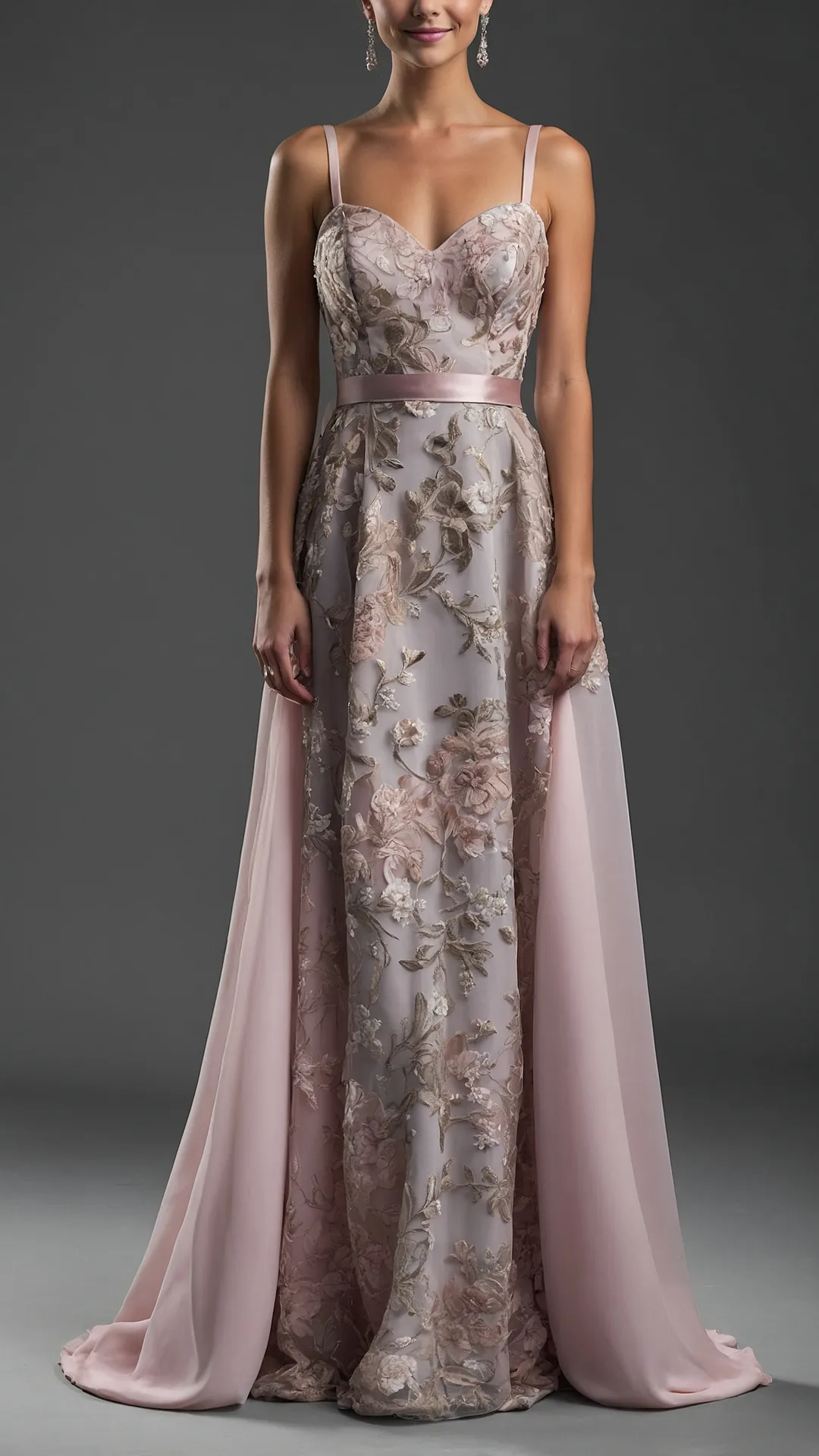
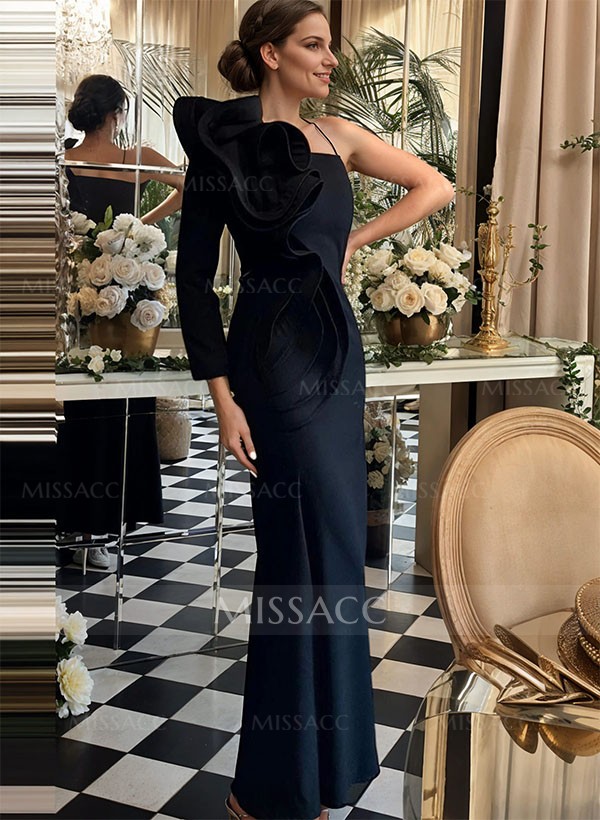
a collage of pictures of a person in a garment and a plant

Progression system: For leveling, require 100 XP per level at levels 1–5 and 200 XP per level at levels 6–10. Give players 1 talent point per level plus 1 extra attribute point every 3 levels, with attributes capped at 15 for balance. The playtest method should use 10 standard combats versus benchmark opponents with fixed stats, while logging average damage, survival rate, and average leftover resources. Balance targets: frontline survival rate >70% with DPR 12–18; skirmisher DPR 18–26 with mobility uptime >40%; hybrid caster-blade DPR 20–30 with control uptime ~30%.

Itemization guidelines: Tier 1 weapons should deal 6–10 base damage, tier 2 weapons 11–16, and tier 3 weapons 17–24. Enchantments add flat +2 damage or percent scaling +10% to skill coefficients. Assign 2 relic slots at levels 1–4, 3 relic slots at levels 5–8, and 4 relic slots at levels 9–10. For any named build, focus on one primary damage engine, one defensive passive, and one utility slot, since that creates cleaner play patterns and faster balance iteration.

RPG Character Creation Process for Knight Builds

Starter allocation recommendation: Use a 40-point stat allocation model: distribute points across Strength, Agility, Endurance, Willpower, Charisma, and Lore; set a minimum of 3 per attribute and a maximum of 18, with points above 10 costing 2 and points below 10 refunding 1.

Choose a party niche first: frontline tank for absorbing damage, midrange striker for reliable output, or support buffer for crowd control plus sustain. Distribute 10 starting skill points across Weapon Proficiency, Survival, Diplomacy, and Arcana, with a 5-point cap in any one skill.

Choose one origin trait for a passive bonus: Noble grants +2 Charisma to NPC interactions, Soldier provides +1 Strength plus access to basic armor, Scholar adds +2 Lore with bonus checks for arcane tasks. Record how each origin modifies primary stats before finalizing allocation.

Starter gear budget: 100 gold. Suggested baseline purchase plan: medium armor 40g, longsword 30g, healing potion ×2 at 10g each, torch 1g, leaving 9g for travel or incidental costs.

Maximize synergy by combining talents with multiplying effects: Stalwart plus Shield Mastery lowers incoming damage, while Arcane Focus with Mana Conduit improves sustained spell uptime. Track the trade-offs carefully: heavy armor reduces Agility-based evasion, and high Charisma boosts barter rates but weakens stealth efficiency.

Recommended leveling from 1 to 7 is to take the main stat to 14 by levels 1–3, lift a secondary stat to 12 by levels 4–6, and lock in a signature talent at level 7. Use early talent points on passive survivability instead of highly situational active perks.

Use a three-part playtest protocol: solo skirmish, coordinated assault, and a timed objective run. Measure average damage per round, survival percentage, resource consumption per encounter; adjust point allocation, gear choices, origin selection based on metrics tracked over at least five runs per scenario.

Final check: make sure the role is clear, resource economy holds at key level breakpoints, and the build has at least one dependable escape option before committing to long-term progression.

How to Create the Best Knight Build

Allocate primary attributes: Strength 16, Constitution 14, Dexterity 12, Intelligence 8, Wisdom 10, Charisma 14 for a frontline protector with decent presence; swap points between STR and CHA if you prefer a social leader or STR and CON for pure tanking.

Step 1 – Choose a specialization: Choose between Guardian, a shield-focused defender; Cavalier, a mounted shock trooper; Duelist, a precision two-hander; or Tactician, a support-oriented tactical specialist. Lock in a primary combat style and a secondary role like crowd control or party buffing.

Step 2 – Build your defenses and gear: Aim for an effective defense of 18–22 at level 1. Equip the heaviest armor available for your proficiencies and take a large shield if you selected Guardian or Cavalier. Prioritize a helm with +1 to saves or resistance and a shield with at least +1 stability modifier if options exist.

Step 3 – Configure offense: For shield defenders use a versatile one-handed blade (1d8–1d10) plus shield bash options; for duelists pick a two-handed weapon with reach or high damage dice (1d10–1d12) and a stance that grants crit range or penetration. Invest in attack-enhancing talents, including Power Attack-style and Precision Strike-style options, at the first feat milestones.

Step 4 – Skill point setup: Assign ranks to Athletics 4, Riding 3 (if mounted), Diplomacy 2, Perception 4 at level 1 profile; shift two points into Stealth only for light-armor concepts. Early progression should maintain a 2:1 split of combat ranks to out-of-combat proficiencies.

Step 5 – Progression path for talents: Use defensive feats in levels 1–4 such as Shield Mastery and Improved Guard, shift into an offense/utility mix at levels 5–8 with Mounted Tactics, Combat Reflexes, and Tactical Sweep, and choose signature maneuvers or a prestige path at 9+. Spend the first two milestone increases on STR 18 followed by CON 16.

Step 6 – Synergies and consumables: Use shield wall plus area taunt to lock down chokepoints, and combine a reach spear with sentinel-style perks to deny movement. Carry 6 healing potions, 3 antidotes, and 2 temporary armor buffs for each adventuring day. Use a polearm if the encounter objective shifts toward crowd control.

Sample build (level 7 Guardian): STR 18, CON 16, DEX 12, WIS 10, INT 8, CHA 14; feats: Shield Mastery, Power Attack, Combat Reflexes, Improved Guard, Mounted Tactics; gear: full plate, tower shield +1, longsword +2, amulet of fortitude. Combat pattern: keep aggro, fire taunt every round, punish movement with opportunity attacks, and lock lanes while allies finish targets.

Knight Role Selection and Class Guide

Choose the role before spending points; follow one of the templates below and modify no more than ±2 points per stat if you want to keep the class mechanics intact.

  • Bulwark (frontline defender)

    • 50-point stat distribution: Con 28, Str 14, Dex 4, Int 2, Wis 1, Cha 1
    • Core talents in priority order: Shield Mastery → Taunt Pulse → Fortify Aura
    • Recommended gear archetype: Heavy plate + kite shield + reinforced helm (look for +30% phys mitigation, +12% threat generation, -8% movement)
    • Play pattern: Hold aggro, anchor choke points, refresh taunt every 10s
  • Vanguard (frontline damage dealer)

    • Recommended 50-point distribution: Str 30, Dex 10, Con 6, Int 2, Wis 1, Cha 1
    • Core talents: Power Strike → Cleave → Overhand Finish
    • Gear archetype: Two-handed sword or polearm with brutal edge (+18% base damage, +12% crit damage, -6% attack speed)
    • Play pattern: Open with gap closer, use cleave on clustered foes, reserve stamina for burst windows
  • Skirmisher (kite-focused archetype)

    • Recommended 50-point distribution: Dex 28, Str 12, Con 6, Int 2, Wis 1, Cha 1
    • Primary talents: Precision Shot → Rapid Fire → Evasion Roll
    • Recommended gear archetype: Composite bow/crossbow + leather + quiver with piercing bolts (+22% ranged crit, +10% attack speed)
    • Recommended play pattern: Kite targets, prioritize fragile enemies, keep 20–30m spacing
  • Mystic (control caster)

    • 50-point stat distribution: Int 30, Wis 10, Cha 4, Con 3, Dex 2, Str 1
    • Core talents: Arcane Channel → Mana Well → Protective Ward
    • Gear archetype: Robes + focus staff with mana regen and spell potency (+25% spell power, +18% mana regen)
    • Combat pattern: Control battlefield with roots/stuns, prioritize casting order for interrupts
  • Healer (restoration support)

    • Recommended 50-point distribution: Wis 28, Int 12, Cha 6, Con 2, Dex 1, Str 1
    • Primary talent path: Pulse Heal → Cleanse → Revival Tome
    • Gear archetype: Light armor + holy emblem (+30% heal potency, +20% cooldown reduction)
    • Recommended play pattern: Triage by threat level, conserve large heals for <35% HP windows

Skill allocation rules:

  1. Prioritize one primary tree fully to level 10 before investing in a secondary; benchmarks: Level 5 unlocks Tier II passives, Level 10 unlocks signature ability.
  2. Keep 2 utility slots open for mobility or crowd control, since they reduce downtime in group content.
  3. Hybrid builds should keep at least 12 points in the secondary stat to avoid major performance losses.

Recommended 3-player party compositions:

  • Bulwark + Vanguard + Mystic offers a strong frontline, sustained damage output, and dependable crowd control.
  • Bulwark + Skirmisher + Healer delivers strong single-target damage with enough survivability for long fights.
  • Vanguard + Skirmisher + Mystic is an offensive composition built around aggressive skirmishing and stacked CC.

Important leveling breakpoints:

  • Use levels 1–5 to establish the role clearly—defensive passives for tanks, focused damage for DPS, and baseline healing for restorers.
  • Levels 6–10: pick one cooldown reduction talent and one resource efficiency talent to smooth power spikes.
  • From levels 11–15, select the signature ultimate or capstone and align it with team needs, such as area control if the party lacks crowd control.

Optimization advice: reassign as many as 6 points after major gear jumps; when the campaign shifts toward heavy magical damage, move 4–6 points from STR/DEX into INT/WIS according to class mechanics.

RPG Knight Build Questions and Answers:

How are Knight archetypes like Templar, Warden, and Duelist separated on the character sheets?

The character sheets distinguish archetypes through three main layers: base stats, passive traits, and signature actions. The base stat line determines the role focus, with Templars built around Constitution and Armor, Wardens around Strength and Shield Mastery, and Duelists around Dexterity and Precision. Passive traits act as auto-triggered rules; for instance, Templar’s Bulwark grants damage reduction on Guard, while Duelist’s Momentum boosts crit chance after repositioning. Signature actions are unique abilities with defined costs, ranges, and cooldowns; they shape playstyle (area-protect for Templars, control and disengage for Wardens, single-target burst for Duelists). Equipment slots and proficiency lists on the sheet further enforce differences: each archetype has favored weapon families and armor types. At the progression layer, talents and branching abilities provide archetype-specific upgrades, allowing some role adjustment without breaking class identity.

What determines signature ability scaling from levels and gear?

The power of signature abilities comes from three scaling systems: ability rank earned via levels or talent points, gear modifiers, and conditional multipliers. Rank progression increases base metrics—damage, duration, and radius—using fixed per-rank increments. Gear provides flat bonuses or percentage modifiers and sometimes adds secondary effects (e.g., elemental damage or status application). Conditional multipliers are created by sheet synergies, such as using the correct weapon type or hitting an attribute threshold for bonus effects. Costs and cooldowns rarely change with level; instead scaling focuses on output and side effects so higher-level characters feel stronger without trivializing resource management.

a collage of pictures of a person in a garment and a plant

Can I combine abilities from two Knight sheets to build a hybrid character, and what balance risks matter most?

Most campaign frameworks allow mixing, but they place limits on it to preserve fair play. Common limits include one signature ability from outside the archetype, a cap on cross-class passive traits, and attribute prerequisites for stronger effects. The main balance risks are stacked triggered defenses that approach invulnerability, multiple burst effects with low resource cost, and cooldown-reset loops. You can manage the risk by requiring penalties to a core stat, increasing resource sinks with repeated ability use, limiting passive trigger frequency per round, or forcing referee-approved playtesting. The best practical approach is to write down every interaction, test a few turns against benchmark encounters, and convert any overpowered passive into an activated limited-use ability.

How do non-combat skills like diplomacy, crafting, or scouting appear on these sheets?

Non-combat functions appear on the sheets as skills with ranks and specialization tracks. The sheet assigns each skill to a core attribute, for example Charisma for diplomacy, Intelligence for crafting, and Perception for scouting, while proficiency ranks grant extra dice or bonus pools. Some versions also include active social or downtime talents, such as “Silver Tongue,” which grants a flat persuasion bonus once per session. Crafting rules usually include material costs, time requirements, and schematic tiers, while higher-grade tools or components improve the success probabilities listed on the sheet. Scouting gives direct mechanical value through extended vision, ambush modifiers, and trap-spotting chances, represented as check modifiers. Rules for advancement let players convert experience into new ranks or unlock specialized maneuvers tied independent tv shows, view independent series, trending indie web series, independent series directory, web series reviews, where to watch independent web series, full indie serials guide, indie producers series, serialized indie content, avant-garde series those skills.

Twisted Series by Ana Huang

Step one: build a complete inventory: track series, seasons, episodes per season, web tv, filmmaking, horror and average runtime.

Example templates: network drama – ~22 eps/season × ~42 min; digital platform shows – roughly 8–10 episodes × 50–60 minutes; short series – 3 seasons × 10 episodes × 45 minutes = 22.5 total hours.

Log totals in a spreadsheet column: episodes, minutes per episode, total minutes, total hours.

That one table shifts a fuzzy undertaking into something quantifiable.

Establish a sustainable pace using simple math: decide how many sessions weekly and episodes each session, then compute total time needed.

Examples: 3 episodes × 45 minutes × 5 weekly sessions = 675 minutes/week = 11.25 hours/week;

a 60-hour series finishes in ~5.3 weeks.

Use 1.25× playback to cut viewing time by ~20% (60 min → ~48 min).

Bypass recap segments, generally 1–2 minutes, and use intro skip functionality to conserve roughly 30–90 seconds per installment.

Give priority to critical installments: triage seasons/episodes using objective signals – IMDb ratings, episode-specific reviews, and “best-of” lists.

Categorize into three groups in your table: priority A — turning points, priority B — filler material, priority C — low-rated standalone installments.

In the case of long-running programs, prioritize opening episodes, closing episodes, and those marked as key narrative shifts;

that strategy reduces commitment while keeping the storyline intact.

Take advantage of helpful software: platforms such as Trakt and TV Time to synchronize watched status and organize queues;

utilize IMDb and Wikipedia episode references to get synopses and transmission sequence;

Plex and Kodi for managing downloaded content and resuming where you left off.

Set calendar appointments or repeating alerts for each viewing block and log total hours in that same spreadsheet, allowing schedule adjustments when personal or professional commitments shift.

If you are rewatching, strive for deliberate, focused sessions: locate character trajectories and episode-specific callbacks through synopses, then watch only the episodes relevant to those developments.

Add companion material selectively – creator commentaries, podcast recaps or script reads – when an episode had major plot impact.

For memory refreshes, read concise recaps (300–500 words) before viewing to reduce rewatch length while preserving context.

Ways to Get Up to Speed on Television Content

Target 3–5 episodes per sitting and cap each session at 60–90 minutes for continuing storylines;

for case-of-the-week formats, bump up to 6–8 episodes if each stands alone.

Establish a quantifiable weekly goal: 20 episodes per week amounts to about 15 hours when episodes are 45 minutes;

10 weekly installments is about 7.5 hours.

Convert total minutes into manageable daily portions

(e.g.: 15 hours weekly equals about 2.1 hours daily).

Set playback between 1.15× and 1.33× during sequences where visuals are not action-centric;

1.25× lowers runtime by about 20% without sacrificing spoken comprehension.

For instance: 30 episodes × 42 min = 1,260 minutes; with 1.25× speed = 1,008 minutes (16.8 hours); divided by 7 days = roughly 2.4 hours per day (approximately 3 episodes daily).

Give priority to critical episodes: begin with first episodes, season premieres, mid-season critical moments, and closing episodes;

review IMDb episode scores or community rankings to tag the lowest-rated 20% as skippable when you are in a hurry.

Adhere to the original broadcast sequence unless the showrunner or official platform recommends a different viewing order

(consult director commentary, Blu-ray special features, or the service episode listing).

For crossovers, follow the crossover event’s published sequence.

Build a straightforward tracking spreadsheet: columns – season, installment#, airdate, runtime, plot tags (arc/filler/crossover), must-watch flag, watched date.

Keep synchronized using Trakt or TV Time and utilize JustWatch or WhereToWatch to find where content is available.

Strip away extra minutes: skip “previously on” recaps (~2–4 min) and use downloaded, ad-free files to eliminate commercials (~6–8 min/hour).

Batch-download when on Wi-Fi for travel.

When dealing with intricate storylines, restrict to 3–4 episodes per day and incorporate a one-day consolidation pause;

write 3 concise notes per session (main plot beats, new names, unresolved questions) to reduce confusion on resumption.

Enable captions in the native language to improve information retention and pick up subtle dialogue;

switch to SD resolution solely when bandwidth or time is restricted to hasten downloads while keeping viewing time estimates unchanged.

Safeguard against spoilers: mute specific keywords across social platforms, make tracker entries private, and add a browser extension that filters spoilers.

Mark completion dates in your tracker to avoid accidental rewatching or skipping needed installments.

How to Decide Which Episodes to Start With

Kick off with the first episode, the most referenced pivotal installment (often within the first season’s 3–5 episodes or a mid-season turning moment), and the most recent season conclusion you skipped;

for serialized shows running 45–60 minutes, this selection usually takes between 2.25 and 3.5 hours to watch.

Use this ordered, practical selection framework:

1) the debut episode — establishes core cast and basic storyline;

2) turning instalment – first major plot escalation or character shift;

3) finale instalment – shows consequences and new status quo;

4) award-winning instalments – look for Emmys, BAFTAs, or critics’ picks to fill gaps quickly;

5) crossover or origin-of-secondary characters – necessary when later arcs reference them.

Give priority to installments commonly referenced in recaps, community wikis, or lists featuring strong viewer scores.

Measure the required viewing investment beforehand:

with N seasons, allocate 3 episodes each season for a broad catch-up (N × 3 × duration), or 6 installments per season for deeper context.

As an example: an 8-season drama with 45-minute episodes works out to 8 × 3 × 45 = 1,080 minutes (18 hours) or 8 × 6 × 45 = 2,160 minutes (36 hours).

Plan for 90- to 180-minute blocks to efficiently comprehend character connections and plot moments.

Rank Installment Type Reason Time Required
One Debut Installment Introduces story foundation, style, and main performers 45–60 min
Two First Major Shift Episode (S1 E3–5) Initial significant conflict or change shaping the story 45–60 min
Three Most recent season finale watched Demonstrates open threads and position moving into current narrative 45 to 60 minutes
Fourth Recognized or Critically Praised Installment Rich with important content; frequently defines characters 45–60 min
5 Interconnected or Essential Backstory Installment Explains repeated references that come up later 45–60 min

Use episode guides and fan-compiled timelines to identify the specific instalment numbers;

prioritize entries that multiple sources flag for plot shifts or high ratings.

If you are short on time, watch the pilot along with two high-impact episodes each season to obtain a dependable structural summary.

Using Episode Recaps for Quick Updates

Employ brief, time-stamped summaries from trusted sources when you require a fast storyline refresh:

target 2–5 minute written bullet summaries or 3–10 minute video recaps that list main plot beats, character status changes, and any unresolved threads.

Favor sources that demonstrate clear origin and editorial oversight:

publications like Vulture, TVLine, The A.V. Club, Den of Geek, IGN, network-provided recaps, Wikipedia plot summaries, and specialized fan wikis.

For community perspective and scene-level detail, consult subreddit threads and episode-specific commentaries—verify facts against at least one editorial source.

Process: begin by reviewing the TL;DR or summary header, then employ keyboard search (Ctrl/Cmd+F) to find important character names and plot terms in the recap.

When a synopsis points to a scene of importance, open the transcript or a timestamped video snippet to confirm ambiance, exact conversation, and emotional nuances.

Choose recap type by time available:

0 to 5 minutes — main bullet highlights and cast overview;

5 to 15 minutes — detailed written recap with scene references;

15–30 minutes – in-depth recap plus 2–3 short clips for pivotal moments.

Note any unresolved narrative lines and apply priority markers (high/medium/low) before watching entire episodes.

Manage spoilers and accuracy: choose “spoiler-free” tags if you prefer results without unexpected twists; otherwise, read full summaries that include spoilers and then verify quotes using transcripts.

Save one concise page with character roles, recent alliances/enmities, and the three pending plot questions you care about most.

Constructing a Timeline for Catching Up

Set a measurable weekly watching budget and compute required time with this formula:

overall minutes = quantity of episodes × typical duration in minutes.

days_needed = ceil(total_minutes ÷ daily_minutes).

Employ specific targets — measured in minutes or hours — instead of ambiguous objectives.

  • Templates with calculations:

    • Balanced approach — 90 minutes on weekdays plus 180 minutes each weekend day totals 810 minutes weekly. Example: 3 seasons × 10 installments × 45 min = 1,350 min → 1,350 ÷ 810 ≈ 1.67 weeks (≈12 days).
    • Two-week burst — 2 episodes each weekday (approximately 90 minutes per day): 20 installments at 45 minutes per episode equals 900 minutes; 900 ÷ 90 = 10 weekdays (2 weeks inclusive of weekends).
    • Weekend concentrated viewing — reserve 6–8 hours spanning Saturday and Sunday. A season with 10 episodes of 45 minutes each demands 450 minutes, which equals 7.5 hours; split across two 3.75 to 4 hour viewing periods.
    • Consistent schedule — 30–45 minutes daily for large backlogs. Consider: 50 episodes at 40 minutes each totals 2,000 minutes; at 45 minutes per day that equals approximately 45 days.
  • Contingency guideline: multiply days_needed by 1.1 and round up to allow for missed sessions, unexpected obligations, or longer runtimes.
  • Inconsistent durations: employ median duration when episode lengths differ substantially; deduct 3–5 minutes per episode to remove opening and closing credits for more precise scheduling.

Actionable scheduling steps:

  1. Take stock: compile titles, season counts, episode quantities, and average lengths in a spreadsheet or table.
  2. Select a template that matches available free time and social commitments.
  3. Schedule dedicated calendar time slots, such as Monday, Wednesday, Friday 8:00–9:30 PM and Saturday 2:00–5:00 PM. View these as scheduled appointments — set up two reminders at 15 minutes and 5 minutes ahead of time.
  4. Monitor progress using a straightforward spreadsheet: include columns for title, seasons, installments, average runtime, total minutes, watched minutes, percent complete, and target end date.
  5. Recalibrate each week: if watched minutes fall behind the target by more than one session, incorporate a double-viewing evening or expand weekend viewing instead of giving up on the plan.
  • Advancement metrics:

    • Total minutes = installment count × average runtime minutes.
    • Days needed = round up total minutes divided by intended daily minutes.
    • Percent complete = (minutes watched ÷ total minutes) × 100.
  • Group organization: choose a recurring time for joint viewing, send a shared calendar invitation, and designate a backup viewer or alternate time if cancellations occur.
  • Fast prioritization solely for planning: tag installments A (must-watch first), B (second priority), C (optional); schedule A episodes inside the first 30% of the plan; locate B episodes in the middle 50% and keep C episodes for buffer viewing periods.

Example computation: three seasons times eight installments per season times 42 minutes equals 1,008 minutes.

Using a plan of 60 minutes per day, days needed equals the ceiling of 1,008 divided by 60, which is 17 days;

apply the buffer rule to reach a target of 19 days.

Q&A:

What approach helps me catch up on a long series without feeling swamped?

Divide the task into smaller, manageable pieces.

Choose the plot arcs or seasons that matter to you most and skip filler installments if the show includes abundant filler.

Employ episode outlines or authorized recaps to refresh essential story details before watching complete episodes.

Define a daily or weekly boundary — like one hour or two episodes nightly — so the pace feels comfortable instead of frantic.

Use the streaming service’s “skip recap” function where available, and create a temporary watchlist so you can keep progress visible.

When a season features several episodes that are widely discussed, prioritize those to keep up with friend conversations.

Which tools assist in tracking episodes and progress across multiple streaming services?

Multiple third-party applications and services consolidate tracking: Trakt and TV Time are common choices for recording watched installments, maintaining watchlists, and syncing progress across hardware.

JustWatch helps locate which service offers streaming for a given title.

Many streaming platforms also provide native watchlists and “resume watching” sections that remember where you left off.

For personal organization, a simple calendar reminder or a note app with a checklist works well.

If you share viewing with others, choose a single tracker everyone updates so you avoid confusion.

Be aware of privacy settings in these apps if you prefer not to share activity publicly.

How do I prevent spoilers on social platforms while I am catching up?

Take concrete actions to minimize exposure.

Silence keywords, hashtags, and character names on Twitter and other platforms;

the majority of services enable you to hide chosen words for a specified duration.

Utilize browser extensions like Spoiler Protection tools that obscure or conceal posts that reference a title.

Briefly stop following avid commenters or shift to accounts that post less frequent show updates.

Avoid comment threads and trending pages for the program, and avoid episode-specific articles until you have seen the episodes.

If friends are engaged viewers, politely ask them not to disclose plot details or to employ clear spoiler indicators.

Ultimately, consider setting up a separate account or list for entertainment channels so your main feed stays quieter during your catch-up period.

Should I binge multiple episodes or spread them out when rewatching a beloved series?

Each method has its benefits.

Binge-watching maintains momentum and simplifies following intricate storylines without missing details between installments;

it can be gratifying when you want a focused experience.

Separating episodes enables you to enjoy character interactions, reflect on underlying themes, and prevent overexhaustion;

it can also fit better around work and social life.

Match your selection to the series tempo and your free time:

dense, plot-heavy shows benefit from shorter gaps, while mood-driven or dialogue-focused series reward slower viewing.

Combining both methods can also be effective — marathon a brief season, then decelerate for subsequent ones.

How can I coordinate catching up so I can join friends for a new episode release?

Begin by agreeing on an achievable timeline and the number of episodes you need to view per session.

Use a common checklist or a group messaging thread where all participants log their current episode to avoid unintended spoilers.

If you prefer watching together, try group-watch services like Teleparty, Prime Watch Party, or platform-specific features that sync playback.

For face-to-face gatherings, arrange a viewing plan that incorporates brief recaps prior to the new installment.

If time is tight, ask friends for a quick, spoiler-free summary of any major developments you missed.

Open discussion about the pace and pause points will ensure the joint viewing remains enjoyable for all.

Key advice: Watch the first three episodes in sequence, independent web series, view indie content, top indie web series, independent web series directory, indie serials catalog, where to watch indie web series, all indie series guide, indie filmmakers serials, serialized independent content, niche series stopping at significant plot moments.

Track Uzi’s screen time, dialogue beats, recurring symbols (eye motifs, rusted tools).

Mark timing for moments when allegiances transform or hidden history emerges.

Investigate the enforcer N and supporting mechanical units:

record spoken lines per segment, observe clothing color choices, diagram connections throughout early segments.

Capture three concise descriptors per key figure and add voice actor credit when available.

Utilize paused-frame images to showcase artistic progression.

When preparing a field guide, present concrete metrics:

episode appearances per figure, fraction of screen time expressed as percentage, key dialogue excerpts with timestamps, and source citations from creator commentaries or art books.

Recommend a viewing order for newcomers:

pilot, episode 2, episode 3, then a focused rewatch centered on interpersonal dynamics.

Image tracking list: dominant highlight colors, outline changes, characteristic wear markings.

Emotion tracking guide: points of contention, moments of confidence, build-up sequences; verify conclusions with voice work and animation timing per segment.

Main Protagonists

Prioritize each protagonist’s arc, motivation, and combat style when preparing analysis, cosplay, or performance.

For a character inclined toward rebellion:

replicate aggressive posture, rapid staccato speech, and frequent smirks;

costume choices should favor torn utilitarian fabric, exposed wiring accents, and asymmetrical accessories;

equipment to wield: hammered tool, small glowing chest component;

hair direction: disheveled short style featuring one colorful highlight;

movement cues: low center of gravity with sudden speed bursts;

dialogue presentation: sardonic and rapid, interrupted by sudden tenderness in personal moments.

For a clinical, duty-driven protagonist who softens over time:

use measured, minimal motion and reduced inactivity;

speech instruction: even tone with sharp consonant sounds that ease in sympathetic sequences;

attire: smooth non-reflective armor, exposed limb mechanisms, subdued color scheme;

makeup/paint: subtle grime at articulation points;

fight choreography: controlled strikes, environmental use for tactical advantage.

For writers and adapter teams:

juxtapose emotional foundations overtly — one individual driven by staying alive and skepticism, another by encoded responsibility and emerging wonder;

craft scenes where dialogue shifts from sarcasm to quiet confession across two or three micro-beats;

avoid long explanatory monologues;

demonstrate consequences through brief gestures and silences.

Production advice for visual departments and role-players:

keep shape recognition during swift sequences by overemphasizing head, shoulder, and chest dimensions;

incorporate dispersed lighting elements with blink rhythms correlated to affective scenes;

enhance limb connections with obscured protective material for physical sequences while sustaining articulation;

document voice takes with various tiny modifications in inflection and breathing to catch nuanced changes.

Relationship mapping:

evaluate reliability developments using a five-tier measurement (zero suspicion to five familiarity) and align key shifts with installment signposts;

maintain confrontations intimate by connecting emotional changes to minor actions like a lent implement, restored connection, or rescued companion instead of extended discourse;

utilize material items to indicate development throughout segments.

Writing technique:

start significant scenes using sensory specifics such as metallic taste, mechanical buzz, remote alert — then disclose purpose through conduct;

permit image sequences and quick dialogues to deliver context while preserving speed and anxiety.

Who Is N?

Treat N as an antihero:

brutal competence matched with unforeseen softness.

  • Function: ambiguous agent with transforming obligations; initiates primary clashes.
  • Aesthetic: streamlined mechanical form, charred armor, single lit optical enhancement, compact structure constructed for speedy physical engagement.
  • Capabilities: sophisticated strategic assessment, covert infiltration, quick recovery through microscopic technology; specializes in confined-space fighting and undercover entry.
  • Nature: terse, analytical, sardonic when provoked; occasional flashes of empathy reveal buried trauma.
  • Story progression: starts as solitary operative, slowly opens to alliances and sacrificial choices; moral ambiguity drives personal growth.
  • Key moments: initial junkyard encounter, central flight sequence, closing precipice confrontation; observe quiet moments and subtle facial changes for underlying meaning.
  • Viewing tips: stop during silent communications to analyze position and shadow markers; monitor attire degradation as symbol for personal transformation.
  • Costume advice: segmented combat upper covering, warm-colored illuminated eye substitute, patterned hand accessories with revealed conduits, worn coating for experienced aesthetic.
  • Fan prompts: craft brief scenes putting N in relaxed household situations to explore gentler dimension; produce illustrations focused on contemplative positions instead of movement.

Understanding V’s Part

Consider V as story accelerator:

examine behaviors for recurring tendencies of survival instinct against principled dedication and chart strategic changes throughout installments to show development turning moments.

Tangible list for detailed examination:

first, note entry sequence and accumulated visibility;

2) catalog weapons, tools, and favored tactics;

third, record repeating dialogue cues and minute facial movements during important battles;

four, document partnerships created or terminated and circumstances for each change.

Behavior overview:

strong contextual understanding, tendency toward sudden strikes and psychological force, steady application of adaptive responses under scarcity, exposed when encountering memories of former bonds.

Use these traits to predict likely choices in unseen scenes.

Visual and audio cues to monitor closely:

attire damage formations that show latest meetings;

recurring background objects that function as origin hints;

fine speech texture adjustments that denote internal development;

shot composition that separates V during ethical turning points.

Analytical viewpoints worthwhile to investigate:

approach V as counterpoint for issues regarding independence and structure instead of as straightforward antagonist;

entertain interpretations where visible harshness conceals guarding intentions;

evaluate reliability of any single confession by cross-referencing earlier behavior.

Useful advice for fan artists and commentators:

sustain moral nuance when developing fresh work;

introduce backstory through artifacts or short flash fragments instead of extended monologue;

stagger reveals so each novel information reexamines prior segments without opposing established occurrences.

Frequently Asked Questions:

Who comprises the primary cast of Murder Drones and what traits characterize them?

The cast divides roughly into a few distinct types:

the inventive survivors who challenge existing order;

the aware utility bots with distinct personalities;

the lethal assassin-class drones that enforce corporate will;

and human-designed characters who symbolize absent or compromised leadership.

The resilient individuals typically are tenacious, quick-witted, and morally versatile;

worker drones range from anxious and comedic to quietly brave;

executioner robots are organized, pitiless, and at times divided;

power representatives are emotionless, planning, and compelled by self-protection.

These variations spark friction and unanticipated collaborations over the episodes.

How does the relationship between the protagonist and the murder drones evolve over the course of the show?

At first their interactions are built on survival and mutual threat:

one party aims to persist, the other is engineered to annihilate.

Step by step, small gestures — changing commitments, mutual grief, and compassionate moments — obscure clear combatant/subject functions.

A few drones begin to question their orders, and the protagonist learns to exploit personal doubts rather than only fight.

Emotional sequences, personal discussions, and moral struggles move multiple individuals toward working together, while others reinforce their starting goals, causing stressful clashes and changing connections.

Do the characters contain concealed visual elements or references that devoted watchers might overlook?

Indeed.

Producers and illustrators implement ongoing visual markers:

color schemes alluding to alliance or earlier pain, recurring emblems hidden in settings, and delicate clothing wear pointing to a character’s past.

Minor set items or wall art occasionally reference previous installments or the production company’s other works.

Voice acting decisions such as an omitted syllable or a pronunciation variation can also expose internal struggle or a history moment before it is directly shown.

Which character’s origin story is the most surprising, and why?

The most unexpected origin belongs to a character introduced as an antagonist who slowly reveals a sympathetic past.

Early depiction concentrates on menace and competence, but later memory sequences and passing comments disclose sorrow, isolation, or influence by greater entities.

This discrepancy between purpose and recollection recontextualizes their behaviors and compels other figures to reconsider whether condemnation or empathy is the appropriate reaction.

How do voice acting and animation work together to make the cast feel alive?

Voice work and visual design are strongly integrated:

vocal talent sets emotional mood through timing, register adjustments, and minor breaks, while animation teams synchronize face movements, eye motions, and physical bearing with those options.

A cutting remark becomes more pointed with elevated eyebrow and quick head turn;

an instant of sensitivity is heightened by decelerated movement, milder lighting, and whispered speech.

Sound design and musical cues support transitions between menace and humor, helping the audience read subtle shifts in motive or mood even without explicit exposition.

Who comprises the primary cast of Murder Drones and what characterizes their connections?

The key couple viewers focus on most is Uzi Doorman, a defiant worker bot with a sarcastic voice and a longing for learning, and N, an emotionless, proficient murder droid tasked with eliminating worker bots.

Uzi represents the scrappy, improvisational side of the survivors, while N begins as a relentless hunter and then shows signs of internal conflict.

Their dialogues mix conflicting talk, unwilling coordination, and scenes of sudden connection, which advances both personalities to novel selections and modifies how other robots relate to them.

Supporting them are supporting service automatons who build a group with specific traits, and extra killer robots who operate as adversaries or competitive powers, producing force that molds each individual’s selections.

Lizzy overview: Lizzy remains one of the most talked-about figures in Murder Drones thanks to her unstable alliances, memorable personality, and uncertain motivations. To many viewers, she functions both as a dramatic catalyst and as a character through whom the show examines loyalty, survival, status, and fear.

Article angle: The main focus here is Lizzy from Murder Drones: who she is, why fans discuss her, how she changes across episodes, and where official content can be found.

Lizzy in Murder Drones Explained

Lizzy’s role in Murder Drones is built around a combination of strong presence, social positioning, emotional ambiguity, and unpredictable choices. She frequently shapes the tone of a scene by changing how other characters behave around her, which is one reason viewers keep debating her importance.

Rather than existing only as comic relief or only as a threat, Lizzy tends to occupy an in-between space that makes her more memorable. Her uncertain role gives the writers room to build suspense around what she will do next and where her loyalties really lie.

Why Lizzy Matters in Murder Drones

In story terms, Lizzy frequently serves as a catalyst whose behavior moves conflict and character dynamics forward. She can expose insecurity in one character, intensify conflict in another, or highlight differences in values between members of the cast.

Because of this, viewers often read Lizzy not only through what she says directly, but through the reactions she creates in the rest of the cast.

Popular Lizzy Fan Theories

The most common Lizzy theories tend to examine her backstory, her emotional motives, and the possibility that she knows more than she openly reveals.

Some fans believe Lizzy has hidden knowledge about major events, while others argue that her actions are less ideological and more about survival.

Fans also often argue that her shifts in mood or apparent loyalty are not inconsistencies but signals of deeper pressure or strategic adaptation.

Because none of these theories have been fully confirmed, Lizzy continues to generate active debate among viewers.

Why Lizzy’s Motivations Are So Debated

Fans debate Lizzy’s motives because the writing leaves room for more than one convincing interpretation. At different points she seems reactive, calculating, defensive, or unexpectedly vulnerable, which makes any single explanation feel incomplete.

Lizzy Character Development Across the Series

Across the trending Indie series, Lizzy moves through several recognizable phases rather than staying emotionally static. In early episodes, the emphasis is often on her danger, volatility, confidence, or social influence.

As the arc progresses, more attention goes to her reactions under pressure and to the way empathy, manipulation, and group tension affect her. That part of the story often exposes layers of vulnerability that are mostly hidden at first.

In later episodes, her actions gain more moral ambiguity, encouraging viewers to reevaluate whether her earlier behavior was cruelty, strategy, defense, or a mix of all three. That complexity is one reason fan reactions to Lizzy stay divided.

How Should Viewers Read Lizzy?

Lizzy is difficult to place into a simple hero-versus-villain framework because the story repeatedly complicates the meaning of her actions. Audience opinion often splits between those who see possible redemption and those who see patterns of harm that outweigh sympathy.

Content Warnings for Lizzy-Focused Episodes

Lizzy-focused episodes can contain strong violence, disturbing transformations, tense psychological material, betrayal, and scenes meant to create unease. Younger viewers, or viewers sensitive to injury, tension, betrayal, or darker themes, may want to use caution before watching.

It can help to look at episode summaries or community content warnings in advance, especially when Lizzy is a major focus.

Who Should Use Viewer Discretion?

It is wise to use caution if a viewer is sensitive to injury imagery, frightening transformations, emotional cruelty, or sustained psychological stress.

How to Find Official Murder Drones Content

The safest way to watch official episodes is through the recognized distribution channels of the production company and its verified video platforms. Extra material such as concept art, creator commentary, and behind-the-scenes posts often shows up on official social accounts and in creator interviews.

Official or verified storefronts are the best option for Lizzy-related merchandise, since they lower the chance of buying counterfeit items. Before buying or streaming, it helps to confirm publisher credit, official branding, verification markers, and community trust signals.

Lizzy in Murder Drones Q&A:

Who is Lizzy in Murder Drones and what role does she play?

In Murder Drones, Lizzy is a recurring character whose mix of threat, attitude, and emotional uncertainty makes her stand out. Her role is both catalytic and reflective: she advances plot events while also drawing hidden qualities out of other characters. Because of the way she is written, Lizzy often becomes a focal point for questions about identity, loyalty, fear, and survival.

What do fans think about Lizzy’s backstory?

Fans have proposed multiple theories about Lizzy’s origins and motivations, often focusing on hidden knowledge, survival logic, emotional damage, or concealed alliances. One group of fans sees hidden plot connections behind Lizzy’s behavior, while another sees a character acting primarily out of fear, self-preservation, and status awareness. That uncertainty is exactly why Lizzy remains such an active topic in fandom discussions.

What is Lizzy’s character arc in Murder Drones?

The show develops Lizzy in stages, moving from surface-level threat and attitude toward deeper vulnerability and more morally complex choices. Later scenes often reframe earlier actions, making viewers reconsider whether those choices were cruel, strategic, defensive, or shaped by limited options. The nuanced progression is a major reason why Lizzy continues to divide the audience.

Are Lizzy episodes suitable for younger viewers?

Yes. Lizzy-heavy episodes may feature intense violence, frightening visual elements, betrayal, and sustained psychological conflict. If someone is sensitive to violence, betrayal, disturbing imagery, or dark themes, extra caution is sensible. Reviewing descriptions and trigger notes before watching is a practical precaution.

Where can I watch official episodes and find extras or merchandise related to Lizzy?

The best approach is to rely on recognized official uploads, verified streaming or video platforms, and authorized stores. Fans looking for extras should check official social media pages, verified interviews, and related official posts. Before purchasing or streaming, it is wise to verify branding, publisher credit, and trust signals such as verification badges or repeated community recommendations.

Viewing advice: Begin with Season 1, see this, explore details, go to page, this link, featured page Episode 3 (approx. 11 minutes).

This segment delivers a compact emotional arc, introduces central figure Mira, unveils an antagonist transformation, establishes the visual approach, and presents characteristic audio elements.

If you have limited time, watch episode 3 of season 1 first, then episode 1 for contextual origin.

Season one comprises 10 brief episodes; durations span 9 to 14 minutes.

Initial release: September 2023; streaming service: Netflix.

Average user ratings: 7.8/10 on IMDb, 89% audience approval on Rotten Tomatoes.

Creator observations: the episodic format highlights quick recurring patterns, frequent visual humor, and intricate background details that become apparent through re-watching.

Watching suggestions: Use headphones for bass-rich cues;

activate captions for fast-paced conversation;

freeze at 6:12 during episode 3 of season 1 to study a significant visual revelation.

For enhanced character comprehension, track Mira’s narrative through S1E3, S1E6, and S1E9;

record timestamps for persistent motifs: 00:45, 04:32, 10:58.

Essential summary: For time-constrained viewers, set aside two 12-minute blocks to experience essential elements;

for viewers wanting deeper background, reserve a focused 30-minute viewing centered on S1E3 along with surrounding episodes for narrative continuity.

Unpacking Digital Circus: What Makes It Unique?

Start with episode one using English subtitles;

concentrate on character moments, visual references, and audio design signals.

  • Fused animation style: 3D figures with cel-shading, rapid shot changes, calculated frame omissions that mirror vintage slapstick pacing.
  • Tonal contrast: bright set palettes juxtaposed with unsettling dialogue, frequent tonal shifts inside single scenes.
  • Length: typical duration of 9 to 12 minutes per episode, condensed narrative structure emphasizing moment efficiency.
  • Sound craft: soundtrack mixes chiptune motifs, punchy percussion; silence used as a rhythmic tool for tension release.
  • Artistic elements: attire with color associations, mirror symbolism, consistent environmental icons employed across segments to suggest continuity.
  • Story structure: individual episode format conceals deeper connected storylines; hidden details compensate repeated watching and concentrated examination.
  • Production indicators: final card images frequently include minute hints; official communications publish development details that verify or challenge audience theories.

Suggested viewing configuration:

stereo headphones, fullscreen playback at native resolution;

engage text display for lyric precision and punchline delivery.

  1. Rewatch key scenes at 0.25x speed to trace animation timing;
  2. halt per frame to catch blur illustrations, swift edits, and duplicated materials.
  3. Isolate soundtrack files or instrumental uploads to map leitmotifs across installments;
  4. record time markers for theme repetition.
  5. Assemble color ranges using frame capture utilities for each individual, contrast across installments to track tone variations.
  6. Inspect closing cards, platform descriptions, and caption documents for hidden language or timecodes that associate moments.
  7. Track authorized production accounts for backstage releases;
  8. creator commentary elaborates on process selections, technical instruments, and contributor positions.

Core uniqueness stems from synthesis of cheerful set design, tight pacing, meticulous audio work, layered continuity that rewards micro-analysis more than casual viewing.

The Concept Behind Digital Circus Episodes

Observe episodes one through three in original order to capture basic components, timing, and returning elements.

Mean runtime 11 minutes per installment; the debut episode extends to 22 minutes.

Episode runtimes vary 7–15 minutes across season one; interlude shorts 1–3 minutes.

Suggested marathon viewing: 4 to 5 segments per session to track storylines without exhaustion;

pause for 10 minutes following each 45 minutes of viewing.

Visual pipeline mixes 3D character models with 2D texture overlays; cel-shading, motion blur applied selectively.

Conventional frame speed is 24 fps for cinematic scenes, 30 fps for brisk slapstick segments.

Hue modification transforms each chapter: warm hues for comedy scenes, faded colors for intense beats.

Soundtrack relies on electronic synth motifs tied to characters; leitmotifs recur within 30–90 second intervals to signal mood shifts.

Dialogue recorded at 48 kHz; final mix mastered at -6 dB LUFS for streaming platforms.

Narrative design features multi-level constructions: apparent comedy covers serialized uncertainty; each installment uncovers one piece that transforms prior meaning.

Character arcs follow three-act micro-structure within single installment: setup, subversion, payoff.

Strong emphasis on consequence: actions produce persistent changes to shared environment across multiple entries.

Engage closed captions to spot visual humor embedded in text tracks;

pause at specific timestamps listed in episode notes for frame-by-frame inspection.

Document persistent icons using chart with sections: timestamp, image, potential significance, and compare with developer explanations.

For completists: download published score tracks in lossless 44.1 kHz resolution when provided;

maintain initial screen proportions when saving to prevent movement distortions.

Defining Qualities of Digital Circus Performances

Emphasize below 100ms complete latency: target 40 to 80 milliseconds between input and screen reaction for interactive sections;

calculate network travel time, processing intervals, and compositing latency independently.

Immediate graphic generation: implement Unreal Engine or Unity incorporating hardware ray tracing and temporal image scaling (DLSS/FSR) to support 4K at 60 frames per second with detailed textures;

allocate 6–8ms GPU time per frame for primary render, 2–4ms for post-processing.

Motion capture standards: inertial systems including Xsens and Rokoko for unrestricted motion with average location accuracy within 10–20 millimeters;

optical systems (Vicon, OptiTrack) for studio-grade tracking with error ±1–3mm;

record at 120–240Hz for smooth retargeting.

Acoustic design: employ Ambisonics third-order for three-dimensional sound positioning, convolution reverberation for environment modeling, and integration software like FMOD or Wwise;

strive for audio-visual synchronization below 10 ms;

furnish split audio tracks in 24-bit 48 kHz format and an extra mix for high dynamic range imagery.

Light-emitting diode volume and projection requirements: pixel density P1.9 to P2.6 for detailed shots, luminosity 800 to 1,500 nits, refresh rate 240 hertz, synchronization with SMPTE timecode for frame coordination;

adjust color accuracy using spectroradiometer equipment and employ individual screen color lookup tables.

Interactive framework: utilize WebRTC for input pathways under 100ms, WebSocket or MQTT for non-real-time communications;

server components: Node.js or Go for signaling, Redis for ephemeral state, and edge instances for user affinity;

allocate symmetrical 100 megabit per second bandwidth for each active system when managing several concurrent transmissions.

Resource and color workflow: store VFX passes as EXR (32-bit float), transfer animated geometry via Alembic, adopt ACEScg for linear mid-process color, and deliver Rec.709 SDR plus PQ HDR masters;

maintain consistent LUT chain across render and LED playback.

Development and quality assurance suggestions: designate positions: live technical supervisor, motion capture technician, audio coordinator, visual effects designer, connectivity specialist;

run three full dress rehearsals with simulated load up to 200 concurrent users, log packet loss, jitter, frame drops;

permit data loss below 0.5 percent and timing variation under 20 milliseconds for consistent responsiveness.

Frequently Asked Questions

Describe Digital Circus — what is it and who made it?

Digital Circus is an animated production following a group of eccentric individuals isolated in a surreal entertainment arena.

The approach merges swift comedy, sight gags, and intermittent darker humor, using short episodes that spotlight rhythm and individual characteristics.

The series was produced by a limited creative staff at an independent animation facility, blending traditional drawn facial expressions with digital effects to craft its characteristic aesthetic.

What is the format of individual episodes — standalone or ongoing storyline?

The majority of episodes operate as independent vignettes concentrating on a single scenario or joke, making them accessible without following sequence.

Simultaneously, persistent character developments and ongoing humor threads build throughout the season, so audiences watching all episodes will observe more profound progressions and references.

Writers often use brief flashbacks and short connective scenes to build continuity without turning each episode into a heavy plot installment.

What are the recommended starting episodes for new viewers and what qualities make them good introductions?

Start with the premiere episode: it establishes the concept, introduces the primary characters, and demonstrates the show’s atmosphere in a concise format.

Afterward, watch a segment highlighting the protagonist’s history or early major error — these installments offer emotional insight and strengthen later comedic impact.

I additionally suggest an episode emphasizing music and one showcasing the entire cast together;

the initial option shows the series’ imaginative employment of sound and pacing, while the subsequent selection shows how diverse personalities relate during tension.

Finally, watch the midpoint installment that connects multiple minor storylines;

it gives a good sense of the show’s narrative ambitions without requiring every prior detail.

How do the visual animation and audio design enhance the narrative?

The artistic method combines heightened character movement with concise, intricate settings so that physical actions and facial gestures convey substantial humor.

Hue decisions and brightness variations communicate atmosphere transformations, moving from vibrant, rapid sequences to somber, restrictive scenes.

Audio design is highly purposeful: sharp sound effects emphasize surprising moments, and the musical score switches between active themes and calmer textures to complement rhythm.

Dialogue oversight maintains vibrant characterizations, which helps concise episodes provide emotional gratification despite brief duration.

Does Digital Circus target children or is it intended for older viewers?

The series works across two tiers.

At a basic level, it features slapstick and sight gags that entertain children, yet the scripts further contain ironic references, humor about the medium itself, and moral complexity that engage older youth and adults.

Parents should be aware of occasional darker jokes and mild language;

check episode guides if you want to screen specific installments first.

Overall, the show is most fulfilling for viewers who appreciate comedy with multiple dimensions that can be experienced differently at various stages.

En esta guía te compartimos ideas para que puedas encontrar el estilo ideal.

Elegant Evening Dresses: Discover the Perfect Style for Every Occasion

Para una gala formal, opta por un vestido largo con detalles de encaje o pedrería. Los tonos oscuros como el azul marino o el burdeos son opciones sofisticadas que nunca pasan de moda. Si prefieres un toque más moderno, considera un diseño asimétrico que resalte tu figura.

En eventos semi-formales, un vestido midi con estampados florales puede ser una elección encantadora. Combínalo con accesorios minimalistas y un par de tacones elegantes para un look equilibrado. Los colores pastel son perfectos para la primavera y el verano, mientras que los tonos más profundos funcionan bien en otoño e invierno.

Para ocasiones más informales, un vestido corto con un corte A puede ser ideal. Busca opciones con mangas o detalles únicos que aporten un aire fresco. Los tejidos ligeros y fluidos son perfectos para mantener la comodidad sin sacrificar el estilo.

Recuerda que la elección del calzado y los accesorios puede transformar completamente tu atuendo. Unos pendientes llamativos o un clutch elegante pueden añadir ese toque final que hará que tu look sea inolvidable.

Choosing the Right Fabric for Your Evening Dress

Selecciona la opción más adecuada material de acuerdo a la ocasión y tu gusto. Las elecciones populares incluyen:

  • : Ideal para eventos formales, ofrece un esplendor sutil.
  • : Añade un delicado y puede combinarse con otros materiales.
  • : Perfecto para climas más bajos, ofrece calidez y distinción.

Considera el grosor para el

Considera adicionalmente el cuerpo. Las opciones fluidas resultan favorables para cuerpos curvilíneos, mientras que las materiales más estructurados pueden ser mejores para siluetas menos marcadas.

La elección de tonalidad y textura igualmente tiene un rol importante. Colores oscuros tienden a ser más elegantes, mientras que los vivos podrían destacar en celebraciones más informales.

Finalmente, nunca olvides la sensación al usar la elección. Verifica de que tu tela permita libertad y se sienta bien durante todo del acto.

en la

Understanding Different Fabric Types

Understanding Different Fabric Types

La luz también

La seda es una elección popular debido a sus su suavidad y transpirabilidad. Perfecto para usar en climas cálidos, se ajusta bien a varios estilos.

El satén brinda un acabado lujoso y es perfecta en ocasiones especiales. El resplandor y su livianidad la convierten en una elección predilecta.

La mezcla de poliéster resulta duradera y de bajo mantenimiento. Perfecto en modelos que necesitan menor atención en el lavado.

El tejido de lana resulta cálido y adecuado en climas fríos. Su aislamiento la hace en una opción excelente en temporadas más frías.

poliéster, pueden ser menos cómodas

Las combinaciones de diferentes tejidos pueden ofrecer lo mejor de ambos mundos. Como ejemplo, una combinación de ofrece comodidad y durabilidad.

How Fabric Affects Comfort and Fit

La elección de la tela es fundamental para garantizar una experiencia placentera. Opta por materiales como el algodón o la seda, que ofrecen transpirabilidad y suavidad. Las telas sintéticas, como el poliéster, pueden ser menos cómodas, especialmente en climas cálidos.

Considera la elasticidad de la tela. Las mezclas con elastano permiten mayor libertad de movimiento, mientras que las telas rígidas pueden restringir el movimiento. Esto es crucial para eventos donde se requiere comodidad durante largos períodos.

  • Algodón: Ideal para climas cálidos, suave y transpirable.
  • Seda: Lujosa y ligera, se adapta bien al cuerpo.
  • Poliéster: Duradero, pero puede ser menos cómodo en calor.
  • Mezclas con elastano: Proporcionan flexibilidad y ajuste.

La textura también influye en la percepción de comodidad. Las telas suaves al tacto, como la gasa, son preferibles para un ajuste más agradable. Evita telas ásperas que puedan causar irritación.

El grosor de la tela afecta la caída y el ajuste. Las telas más pesadas, como el terciopelo, ofrecen una silueta estructurada, mientras que las más ligeras, como el chiffon, permiten un movimiento fluido.

  1. Selecciona telas que se adapten a la temporada.
  2. Prueba diferentes texturas para encontrar la más cómoda.
  3. Considera el grosor para el tipo de evento.

Finalmente, proyectos caseros asegúrate de que la tela elegida se ajuste a tu tipo de cuerpo. Algunas telas se adaptan mejor a ciertas siluetas, lo que puede realzar tu figura y proporcionar un ajuste más favorecedor.

Seasonal Fabric Recommendations

Para la otoño, el tejidos fluidos son perfectos a eventos informales. La seda ofrece comodidad y elegancia sin necesidad de sacrificar su estética.

En el otoños, los tejidos más cálidos tales como el terciopelo son perfectos en eventos formales. Dichos tejidos ofrecen calidez y un apariencia refinado.

Para las veladas en primavera, los tejidos como el seda son excelentes por su respirar y mantener su frescura. Elegir opciones de tonos brillantes podría realzar su estilo.

Durante las eventos en otoño, las materiales más tales como el terciopelo resultan ideales en proteger su calor. Elegir colores oscuros podría agregar una matiz a elegancia.

Finding the Perfect Color for Your Skin Tone

Para pieles claras, tonos suaves como el lavanda son ideales. No elijas colores oscuros que pueden opacar tu brillo natural.

Las personas con piel media pueden optar por colores como el coral. Estos tonos complementan la calidez de la piel.

Para pieles más oscuras, los tonos joya como el rubí son perfectos. Ofrecen un contraste atractivo y destacan la belleza natural.

Es clave tener en cuenta el subtono de la piel. Para subtonos cálidos, los tonos dorados son ideales. Para subtonos fríos, los tonos fríos son preferibles.

Tipo de piel Colores recomendados
Piel clara Rosa pálido, azul claro, lavanda
Piel media Coral, verde esmeralda, azul marino
Piel oscura Rubí, esmeralda, azul cobalto

Prueba diferentes tonos y nota cómo cambian tu apariencia. La luz también puede modificar la percepción del color, así que no olvides probar en diferentes condiciones de luz.

Identifying Your Skin Undertone

Para determinar tu tono de piel, observa las venas en tu muñeca. Si son azules, tu subtono es fría. Si son oliva, tu subtono es cálido. Si no puedes decidir, es posible que tengas un subtono neutral.

Otra técnica es el test del accesorios de plata cerca de tu rostro. Si el metal plateado te favorece, tu subtono es fría; si el metal dorado te queda mejor, es cálido.

La evaluación del papel también es útil. Coloca un pedazo de papel blanco cerca de tu cara. Si tu piel se ve amarillenta, eres cálido; si se ve rojiza, eres frío.

Considera también cómo reacciona tu piel al sol. Si te bronceas fácilmente, es probable que tengas un subtono cálido; si te quemas, es más probable que seas fría.

Finalmente, observa los colores que te hacen sentir mejor. Los tonos terrosos suelen favorecer a los subtonos cálida, mientras que los colores frías son ideales para los subtonos fría.

Color Trends for Evening Wear

Color Trends for Evening Wear

Los tonos oscuros como el verde esmeralda son preferidos para ocasiones especiales. Estos colores ofrecen un aire de sofisticación que es clásico.

Los tonos metálicos como el bronce son llamativos en atuendos de noche. Incorporar accesorios en colores metálicos puede realzar el aspecto.

Los pasteles como el lavanda resultan perfectos para ocasiones diurnas. Dichos colores aportan un sentido de alegría a cualquier elección.

El color negro siempre es una elección clásica. Junto con detalles en colores brillantes, puede un look memorable.

Los diseños florales también están en moda, especialmente en colores intensos que ofrecen un equilibrio llamativo. Elegir un vestido con diseños ayuda a destacar la unicidad de quien lo lleva.

How to Use Accessories to Complement Your Dress Color

Elige joyas que contrasten con el tono de tu atuendo. A modo de ejemplo, si llevas un vestido azul, opta por accesorios dorados o plateados que resalten.

Los bolsos deben ser de un color que complemente, no que compita. Un bolso nude o en tonos pastel puede ser ideal para un vestido oscuro.

Los zapatos son clave; si tu vestido es de un color sólido, considera calzado en tonos metálicos o con estampados sutiles para añadir interés.

Los pañuelos o bufandas pueden aportar un toque de color adicional. Si tu atuendo es monocromático, un pañuelo de un color brillante puede ser un acento atractivo.

Los cinturones pueden definir la cintura y añadir un toque de estilo. Un cinturón en un tono que contraste puede hacer que un vestido simple se vea más elaborado.

Las gafas de sol o sombreros pueden ser accesorios funcionales y de moda. Asegúrate de que los colores se armonicen con tu atuendo general.

Recuerda que menos es más; elige uno o dos accesorios destacados para evitar sobrecargar tu look. La clave está en la armonía de colores y texturas.

Vídeo:

En este post te compartimos ideas para casa para combinar el outfit perfecto.

Top 10 Most Beautiful Evening Dresses for Every Occasion

Para una gala, elige un modelo de corte sirena que acentúe la figura, confeccionado en seda o encaje. Los tonos oscuros, como el azul marino o el burdeos, aportan elegancia y sofisticación. Considera detalles como bordados o aplicaciones de pedrería para un toque de glamour.

Si asistes a una boda, opta por un vestido largo con un escote en V y una falda fluida. Los colores pastel, como el rosa empolvado o el lavanda, son ideales. Un cinturón delicado puede resaltar la cintura y añadir un toque de estilo.

Para una cena formal, un vestido midi con mangas largas y un diseño minimalista es perfecto. Los tonos neutros, como el negro o el gris, ofrecen versatilidad. Complementa con accesorios metálicos para un acabado chic.

En un evento de cóctel, un vestido corto con detalles de encaje o transparencias puede ser una opción audaz. Los colores vibrantes, como el rojo o el verde esmeralda, atraerán todas las miradas. Asegúrate de que el ajuste sea perfecto para resaltar tu figura.

Si estás buscando algo más relajado, un vestido maxi con estampados florales es ideal para una fiesta al aire libre. Los tejidos ligeros y fluidos garantizan comodidad y estilo. Combina con sandalias elegantes para un look fresco y moderno.

Classic Black Tie Gowns

Una opción ideal es el vestido largo de satén negro, que aporta elegancia y sofisticación. Este tipo de prenda se complementa perfectamente con joyas de diamantes o perlas, creando un look atemporal.

Los vestidos de corte sirena son otra elección destacada, ya que realzan la figura y añaden un toque dramático. Opta por detalles como encajes o transparencias para un efecto más impactante.

Un diseño con escote en V y espalda descubierta puede ser una excelente alternativa, aportando un aire de sensualidad sin perder la formalidad. Combina con un peinado recogido para resaltar el escote.

Los vestidos con faldas voluminosas, como los de tul o organza, ofrecen un estilo de cuento de hadas. Este tipo de silueta es ideal para eventos de gala, donde se busca impresionar.

Considera un modelo con mangas largas o tres cuartos, que no solo es elegante, sino que también es adecuado para climas más frescos. Los detalles en encaje o bordados pueden añadir un toque especial.

Un vestido de un solo hombro es una opción moderna y chic, que permite jugar con los accesorios. Un clutch metálico y unos zapatos de tacón alto completan el look.

Los tonos de negro mate o brillante pueden variar el efecto visual; elige según tu preferencia personal. Un acabado satinado puede dar un aire más lujoso, mientras que un acabado mate ofrece un estilo más sobrio.

Recuerda que la elección de la tela es fundamental. El terciopelo, a modo de ejemplo, es perfecto para eventos en invierno, mientras que la seda es ideal para climas cálidos.

Finalmente, no subestimes la importancia de un buen ajuste. Un vestido bien entallado realzará tu figura y te hará sentir cómoda y segura durante toda la velada.

Choosing the Right Fabric for Formal Events

Choosing the Right Fabric for Formal Events

La elección del tejido adecuado puede transformar un atuendo ordinario en uno excepcional. Opta por satén para un acabado lujoso y fluido. Estos materiales resplandecen bajo la luz, añadiendo un toque de elegancia.

Para climas cálidos, considera algodón, que son ligeros. Estos tejidos permiten una mayor circulación de aire, manteniéndote fresco durante la celebración.

Si quieres un look más estructurado, elige crepé. Estos materiales ofrecen una forma definida y son ideales para eventos más formales.

La textura del tejido también juega un papel importante. Los detalles pueden añadir un elemento visual atractivo, mientras que los materiales lisos ofrecen un aspecto más clásico.

  • Seda: suave
  • Algodón: transpirable
  • Tweed: clásica
  • Gasa: ligera

Considera también la resistencia del tejido. Algunos materiales requieren más cuidado, mientras que otros son más sencillos de mantener. Asegúrate de que el tejido elegido se adapte a tus necesidades y estilo de vida.

Finalmente, no olvides la paleta de colores. Los tonos vivos pueden influir en la percepción del atuendo, así que elige un color que complemente tu estilo personal.

Accessorizing Your Black Tie Look

Elige joyas sutiles que complementen tu atuendo. Un pendiente de diamantes puede mejorar tu apariencia sin opacar con el vestido.

Opta por un cartera minimalista que coincida con el color de tu atuendo. Los tonos neutros son ideales para un evento formal.

Los zapatos deben ser cómodos. Un par de sandalias puede completar tu look. Asegúrate de que el color comunique con el resto de tu atuendo.

Un cinturón fina puede marcar la cintura y dar un toque adicional a tu estilo. Escoge uno que realce tu figura.

Los detalles para el cabello, como diademas, pueden añadir un elemento de glamour. Opta por diseños que no sean demasiado exagerados.

Accesorio Recomendación
Joyas Collares de perlas o pendientes de diamantes
Bolso Clutch metálico o en tonos neutros
Zapatos Stilettos o zapatos de charol
Cinturón Cinturón delgado que defina la cintura
Accesorios para el cabello Diademas o peinetas elegantes

Popular Styles and Silhouettes

Popular Styles and Silhouettes

Las silhuetas ajustadas son ideales para resaltar la figura. Opta por un diseño sirena que se ajusta al cuerpo y se ensancha a partir de las rodillas, perfecto para eventos formales. Para un look más relajado, considera un corte A, que fluye desde la cintura y es adecuado para diversas celebraciones.

Los escotes juegan un papel crucial en la estética. Un escote en V alarga el cuello y es favorecedor para la mayoría de las formas corporales. Por su parte, un escote cuadrado aporta un toque clásico y elegante, ideal para ocasiones más sofisticadas.

Los mangas también marcan la diferencia. Las mangas largas son perfectas para eventos de noche, mientras que las mangas cortas o sin mangas son ideales para climas cálidos. Las mangas abullonadas añaden un toque moderno y son perfectas para destacar en cualquier reunión.

Los materiales son fundamentales. La seda y el satén ofrecen un brillo sutil, mientras que el encaje añade un aire romántico. Para un look más atrevido, elige terciopelo, que aporta textura y profundidad.

Finalmente, los colores y patrones son clave. Los tonos oscuros como el negro o el azul marino son clásicos y elegantes, mientras que los colores vibrantes como el rojo o el verde esmeralda destacan en cualquier evento. Los estampados florales son perfectos para celebraciones diurnas, aportando frescura y alegría.

Romantic Cocktail Dresses

Una opción encantadora es un vestido de cóctel en tonos pastel, como el rosa empolvado o el azul cielo. Estos colores aportan un aire suave y romántico, ideal para citas o eventos íntimos.

Los modelos con encaje son perfectos para añadir un toque de sofisticación. Busca detalles como mangas de encaje o un escote en forma de corazón para resaltar la feminidad.

Un vestido con falda de tul puede ser una elección encantadora. La textura ligera y vaporosa crea un efecto etéreo, perfecto para una cena romántica o una fiesta de verano.

Considera un diseño asimétrico que combine elegancia y modernidad. Un hombro descubierto puede ser una forma atractiva de mostrar un poco de piel sin ser demasiado revelador.

Los estampados florales son ideales para un look fresco y juvenil. Opta por patrones sutiles que no abrumen el diseño, manteniendo la atención en la silueta.

Un vestido de cóctel con detalles metálicos, como bordados dorados o plateados, puede añadir un toque de glamour. Estos acentos brillantes son perfectos para eventos nocturnos.

Los tonos joya, como el esmeralda o el rubí, ofrecen una opción rica y lujosa. Estos colores son perfectos para ocasiones más formales, aportando un aire de sofisticación.

Un diseño con cintura ceñida y falda acampanada es ideal para resaltar la figura. Este estilo es favorecedor y aporta un aire clásico y atemporal.

Los vestidos con tirantes finos son perfectos para climas cálidos. Combinan comodidad y elegancia, ideales para una celebración al aire libre.

Finalmente, no olvides los accesorios. Unos pendientes delicados y un clutch elegante pueden realzar cualquier atuendo, aportando un toque final encantador.

Flattering Cuts for Different Body Types

Para silhouette de pera, los vestidos que tienen silhouette en A resultan perfectos. Este estilo contribuye a equilibrar las proporciones y resaltar la cintura.}

Para quienes tienen un cuerpo reversible, las opciones de corte imperio resultan beneficiosos. Dicha estructura se adapta justo debajo del busto, ocultando el área del abdomen.}

Las mujeres con figura rectangular tienen la opción de optar por silhouettes con cintura alta o silhouettes en capa para añadir forma y marcar la figura.}

Si tienes un cuerpo curvilíneo, las prendas que tienen silhouette con escote en forma de V son favorables, pues extienden el torso y proporcionan un look más estilizado.}

Finalmente, las mujeres que tienen figura en forma de reloj de arena deben optar por cortes que la cintura y resaltan las curvas, como los vestidos ceñidos o que tienen corte en cintura.}

Color Trends for Cocktail Attire

El azul marino se destaca como una elección sofisticada, ideal para eventos formales. Combina bien con accesorios plateados o dorados.

Los tonos pastel, como el rosa empolvado y el lavanda, aportan un aire romántico y fresco, perfectos para celebraciones diurnas.

  • El rojo intenso sigue siendo un clásico, simbolizando confianza y pasión.
  • El verde esmeralda ofrece un toque de elegancia y se adapta a diversas paletas de colores.
  • Los tonos metálicos, como el oro y el plata, añaden un brillo especial, ideales para la noche.

El negro, aunque tradicional, se reinventa con texturas y detalles únicos, manteniendo su estatus atemporal.

  1. El color burdeos es perfecto para el otoño, evocando calidez y sofisticación.
  2. Los tonos tierra, como el terracota y el beige, son opciones versátiles que funcionan en múltiples contextos.

El blanco, a menudo reservado para bodas, se puede usar en eventos formales con un toque moderno, como cortes asimétricos o detalles en encaje.

Finalmente, el color coral se presenta como una opción vibrante y alegre, ideal para eventos de verano.

Footwear Options to Complement Your Dress

Las sandalias complementan tu look escogido. Opta por un modelo en tonos metálicos para un acabado elegante. Las plataformas realzan tu silueta y son perfectos para ocasiones especiales.

Si prefieres un estilo más casual, las sandalias planas son una alternativa. Asegúrate de que el color tiene que armonizar el atuendo.

Para un toque único, considera calzado con texturas como brillos. Estos toques pueden mejorar tu estilo.

Tipo de Calzado Ocasiones Colores Recomendados
Tacones Altos Eventos Formales Negro, Nude, Metálico
Bailarinas Reuniones Informales Pastel, Neutro
Sandalias Planas Salidas Diarias Blanco, Beige
Botas Elegantes Eventos de Otoño Marrón, Negro

Vídeo:

En esta guía te contamos inspiración para rutina doméstica que puedas encontrar el outfit perfecto.

Trending Dresses: Discover the Latest Fashion Styles for Every Occasion

Para un evento formal, opta por un vestido largo con detalles de encaje o una silueta ajustada que resalte la figura. Los tonos oscuros como el azul marino o el burdeos son ideales para la temporada, mientras que los estampados florales pueden aportar un toque fresco y juvenil.

fin de los

Si estás buscando algo más casual, considera un vestido midi con estampados geométricos o en colores pastel. Este tipo de prenda es perfecta para un almuerzo o una salida con amigos. Combínalo con sandalias planas o zapatillas blancas para un look relajado pero chic.

Para ocasiones nocturnas, un vestido corto con brillos o lentejuelas puede ser la elección perfecta. Los escotes en la espalda o los detalles asimétricos añaden un toque de sofisticación. Completa el atuendo con tacones altos y accesorios minimalistas.

Recuerda que la elección del tejido también es fundamental. Los materiales ligeros como el algodón o la seda son ideales para climas cálidos, mientras que las telas más pesadas como el terciopelo son perfectas para el invierno. No subestimes el poder de un buen ajuste; un vestido bien entallado puede transformar tu apariencia por completo.

Casual Dresses for Everyday Wear

Las opciones de vestidos informales son ideales para el uso diario. Opta por un vestido de algodón con estampados florales que tenga cortes sencillos y colores suaves. Úsalo con zapatillas blancas a fin de conseguir un look fresco.

Un vestido camisero es una excelente elección. Puedes modificarlo con un cinturón a fin de definir la cintura. Selecciona tejidos ligeros los cuales resulten cómodos.

Los vestidos midi son perfectos para transitar entre actividades. Intenta con un modelo de rayas que puedas usar tanto como en la oficina y en un café con amigos.

Los vestidos de tirantes son una gran opción a fin de los días cálidos. Combínalos con una chaqueta ligera en las noches frescas. Opta por colores neutros que resulten fáciles de combinar.

Finalmente, recuerda los accesorios. Un simple collar o unas pulseras son capaces de cambiar tu atuendo. Elige piezas que realcen tu vestido sin exagerar el look.

Top Fabric Choices for Comfort

El algodón es una opción ideal a cualquier situación gracias a su capacidad de transpirar y comodidad. Además, resulta sencillo de cuidar y se adapta bien al cuerpo.

La viscosa ofrece una experiencia agradable y liviana, ideal para temperaturas cálidos. Esta capacidad de retener la humedad la hace una opción interesante para prendas de verano.

La tela de lino es una elección sofisticada y fresca, particularmente durante días calurosos. Esta característica rugosa añade un toque único a cualquier atuendo.

La tela de poliéster resulta una alternativa resistente y fácil de mantener. Su propiedad de mantener la forma la hace una elección funcional para prendas diarias.

Las telas mezcladas de algodón proporcionan lo mejor de ambos tipos de tela, uniendo comodidad y resistencia. Son perfectas para ropas informales y para trabajo.

How to Style Casual Dresses with Accessories

How to Style Casual Dresses with Accessories

Para realzar un vestido informal, considera añadir un cinturón que defina la cintura. Opta por uno en un color contrastante o con un diseño llamativo para atraer la atención.

Los collares largos pueden alargar visualmente el torso. Elige uno con un colgante interesante que complemente los tonos del vestido.

Las bufandas ligeras son perfectas para añadir textura. Puedes anudarlas al cuello o usarlas como un cinturón alternativo.

Un sombrero de ala ancha no solo protege del sol, sino que también aporta un toque chic. Escoge uno que armonice con el resto de tu atuendo.

Las bolsos de mano o bandoleras pueden ser funcionales y estilizados. Busca uno con detalles únicos, como flecos o estampados.

Las zapatos son clave; unas sandalias planas o zapatillas blancas ofrecen comodidad y un aire desenfadado. Para un look más pulido, elige unos tacones sencillos.

Finalmente, no subestimes el poder de los pendientes. Un par de aretes llamativos puede transformar un look simple en algo especial.

Best Color Trends for Casual Outfits

Los colores suaves son una opción perfecta en atuendos informales. Tonos como el verde menta ofrecen ligereza y versatilidad. Combínalos con jeans neutros para lograr un look armónico.

Los colores terrosos igualmente se encuentran dentro de las opciones contemporánea. Colores como el beige resultan perfectos para atuendos relajados y pueden complementar con detalles adicionales brillantes a fin de añadir un toque de un color adicional vivo.

El color blanco continúa siendo un favorito dentro de conjuntos informales. Resulta sencillo de unir con cualquier tono y brinda una sensación de estilo pulcro y refrescante.

Los colores brillantes han resurgido dentro de la moda. Tonos como el verde neón pueden incorporar en detalles o elementos a fin de dar un matiz juguetón a cualquier estilo informal.

Color Descripción
Pastel Suaves y frescos, ideales para un look relajado.
Tierra Colores naturales que aportan calidez y comodidad.
Blanco Clásico y versátil, combina con todo.
Neón Brillantes y llamativos, perfectos para un toque divertido.

Formal Dresses for Special Events

Para ocasiones especiales, considera un vestido largo de seda en tonos oscuros, que aporta elegancia y sofisticación. Un diseño con escote en V y detalles de encaje puede realzar la figura.

  • Vestidos de cóctel: ideales para eventos semi-formales, opta por colores metálicos o estampados florales.
  • Vestidos de gala: elige modelos con faldas voluminosas y corsés ajustados para un look impactante.
  • Vestidos midi: perfectos para cenas elegantes, busca aquellos con mangas largas y tejidos fluidos.

Los accesorios juegan un papel crucial. Unos pendientes llamativos y un clutch a juego pueden transformar un atuendo sencillo en uno espectacular.

  1. Combina tu vestido con tacones altos para alargar la silueta.
  2. Opta por un peinado recogido para mostrar el escote y los detalles del vestido.
  3. El maquillaje debe ser sofisticado, eligiendo tonos neutros con un toque de brillo en los labios.

Recuerda que la elección del tejido es fundamental. La seda, el satén y el chiffon son opciones que aportan un acabado lujoso y cómodo.

Choosing the Right Length for Formal Occasions

En ocasiones elegantes, el largo de la prenda es fundamental en la estética. Los vestidos largos se adaptan bien para galas, en cambio, los atuendos de longitud media son una opción válida para bodas.

Si optas por un atuendo largo, asegúrate de la facilidad de movimiento al caminar. En contraste, los atuendos cortos pueden resultar una elección para eventos menos formales.

Recuerda el carácter de la ocasión y las indicaciones de vestimenta al seleccionar la longitud adecuada. Un atuendo bien elegido transmitirá tu gusto y te hará sentir cómoda.

Popular Neckline Styles for Evening Dresses

El escote en V es ideal para alargar el cuello y resaltar la figura. Este diseño es perfecto para eventos formales, ya que aporta elegancia y sofisticación.

Los escotes palabra de honor son perfectos para mostrar los hombros y el cuello. Este estilo es muy popular en ocasiones especiales, ya que proporciona un toque romántico y femenino.

El escote asimétrico ofrece un aire moderno y atrevido. Este diseño es ideal para quienes buscan destacar en una gala o fiesta nocturna.

  • Escote cuadrado: Aporta un look clásico y elegante, ideal para eventos formales.
  • Escote barco: Resalta los hombros y es perfecto para un estilo vintage.
  • Escote en corazón: Aporta un toque dulce y romántico, ideal para bodas o cenas especiales.

El escote halter es excelente para mostrar los brazos y la espalda. Este estilo es muy favorecedor y se utiliza con frecuencia en eventos de verano.

Los escotes en forma de U son versátiles y se adaptan a diferentes tipos de cuerpo. Este diseño es ideal para quienes buscan comodidad sin sacrificar el estilo.

  1. Escote en pico: Ideal para crear una silueta estilizada.
  2. Escote en la espalda: Aporta un toque sexy y elegante.

El escote cruzado es perfecto para quienes desean un look más atrevido. Este estilo se adapta bien a diferentes tipos de eventos, desde cócteles hasta galas.

Accessorizing Formal Dresses: Dos and Don’ts

Elige accesorios discretos que complementen el aspecto sin robar atención al vestido. Pendientes pequeños son perfectos para mantener el balance.

Evita accesorios demasiado grandes que puedan desviar la atención del conjunto. Un pieza grande puede chocar con la elegancia del vestido.

Añade una clutch pequeño que combine con el color del vestido. Esto a conservar un look pulido.

corsés ajustados

Evita usar zapatos que no confortables. El comodidad es clave para aprovechar de cualquier ocasión.

Opta por tonos sutiles en accesorios si el vestido tiene detalles intrincados. Esto ayudará a mantener la armonía del look.

Recuerda la sincronizar los joyas con tu maquillaje. Un look demasiado puede chocar con el look sofisticado.

Ten en cuenta la usar cinturones que marquen la silhouette y añadan forma al look.

No uses joyas que no sean coherentes con el tipo de vestido. Así, por ejemplo, una look casual no complementarse con accesorios excesivamente formales.

Vídeo:

Trucos de limpieza con Coca-Cola que realmente funcionan

En esta guía te compartimos inspiración ideas para casa que puedas combinar el estilo perfecto.

Top 10 Most Beautiful Evening Dresses for Every Occasion

Para una gala, elige un modelo de corte sirena que acentúe la figura, confeccionado en seda o encaje. Los tonos oscuros, como el azul marino o el burdeos, aportan elegancia y sofisticación. Considera detalles como bordados o aplicaciones de pedrería para un toque de glamour.

Si asistes a una boda, opta por un vestido largo con un escote en V y una falda fluida. Los colores pastel, como el rosa empolvado o el lavanda, son ideales. Un cinturón delicado puede resaltar la cintura y añadir un toque de estilo.

10 TRUCOS de LIMPIEZA que DEBES SABER para TU HOGAR ✨

Para una cena formal, un vestido midi con mangas largas y un diseño minimalista es perfecto. Los tonos neutros, como el negro o el gris, ofrecen versatilidad. Complementa con accesorios metálicos para un acabado chic.

En un evento de cóctel, un vestido corto con detalles de encaje o transparencias puede ser una opción audaz. Los colores vibrantes, como el rojo o el verde esmeralda, atraerán todas las miradas. Asegúrate de que el ajuste sea perfecto para resaltar tu figura.

Si buscas algo más relajado, un vestido maxi con estampados florales es ideal para una fiesta al aire libre. Los tejidos ligeros y fluidos garantizan comodidad y estilo. Combina con sandalias elegantes para un look fresco y moderno.

Classic Black Tie Gowns

Una opción ideal es el vestido largo de satén negro, que aporta elegancia y sofisticación. Este tipo de prenda se complementa perfectamente con joyas de diamantes o perlas, creando un look atemporal.

Los vestidos de corte sirena son otra elección destacada, ya que realzan la figura y añaden un toque dramático. Opta por detalles como encajes o transparencias para un efecto más impactante.

Un diseño con escote en V y espalda descubierta puede ser una excelente alternativa, aportando un aire de sensualidad sin perder la formalidad. Combina con un peinado recogido para resaltar el escote.

Los vestidos con faldas voluminosas, como los de tul o organza, ofrecen un estilo de cuento de hadas. Este tipo de silueta es ideal para eventos de gala, donde se busca impresionar.

Considera un modelo con mangas largas o tres cuartos, que no solo es elegante, sino que también es adecuado para climas más frescos. Los detalles en encaje o bordados pueden añadir un toque especial.

Un vestido de un solo hombro es una opción moderna y chic, que permite jugar con los accesorios. Un clutch metálico y unos zapatos de tacón alto completan el look.

Los tonos de negro mate o brillante pueden variar el efecto visual; elige según tu preferencia personal. Un acabado satinado puede dar un aire más lujoso, mientras que un acabado mate ofrece un estilo más sobrio.

Recuerda que la elección de la tela es fundamental. El terciopelo, a modo de ejemplo, es perfecto para eventos en invierno, mientras que la seda es ideal para climas cálidos.

Finalmente, no subestimes la importancia de un buen ajuste. Un vestido bien entallado realzará tu figura y te hará sentir cómoda y segura durante toda la velada.

Choosing the Right Fabric for Formal Events

Choosing the Right Fabric for Formal Events

La elección del tejido adecuado puede transformar un atuendo ordinario en uno excepcional. Opta por satén para un acabado lujoso y fluido. Estos materiales resplandecen bajo la luz, añadiendo un toque de elegancia.

Para climas cálidos, considera algodón, que son ligeros. Estos tejidos permiten una mayor circulación de aire, manteniéndote fresco durante la celebración.

Si quieres un look más estructurado, elige crepé. Estos materiales ofrecen una forma definida y son ideales para eventos más formales.

La textura del tejido también juega un papel importante. Los detalles pueden añadir un elemento visual atractivo, mientras que los materiales lisos ofrecen un aspecto más clásico.

  • Seda: suave
  • Algodón: transpirable
  • Tweed: clásica
  • Gasa: ligera

Considera también la resistencia del tejido. Algunos materiales requieren más cuidado, mientras que otros son más sencillos de mantener. Asegúrate de que el tejido elegido se adapte a tus necesidades y estilo de vida.

Finalmente, no olvides la paleta de colores. Los tonos vivos pueden influir en la percepción del atuendo, así que elige un color que complemente tu estilo personal.

Accessorizing Your Black Tie Look

Elige joyas sutiles que complementen tu atuendo. Un pendiente de diamantes puede mejorar tu apariencia sin opacar con el vestido.

Opta por un cartera minimalista que coincida con el color de tu atuendo. Los tonos neutros son ideales para un evento formal.

Los zapatos deben ser cómodos. Un par de sandalias puede completar tu look. Asegúrate de que el color comunique con el resto de tu atuendo.

Un cinturón fina puede marcar la cintura y dar un toque adicional a tu estilo. Escoge uno que realce tu figura.

Los detalles para el cabello, como diademas, pueden añadir un elemento de glamour. Opta por diseños que no sean demasiado exagerados.

Accesorio Recomendación
Joyas Collares de perlas o pendientes de diamantes
Bolso Clutch metálico o en tonos neutros
Zapatos Stilettos o zapatos de charol
Cinturón Cinturón delgado que defina la cintura
Accesorios para el cabello Diademas o peinetas elegantes

Popular Styles and Silhouettes

Popular Styles and Silhouettes

Las silhuetas ajustadas son ideales para resaltar la figura. Opta por un diseño sirena que se ajusta al cuerpo y se ensancha a partir de las rodillas, perfecto para eventos formales. Para un look más relajado, considera un corte A, que fluye desde la cintura y es adecuado para diversas celebraciones.

Los escotes juegan un papel crucial en la estética. Un escote en V alarga el cuello y es favorecedor para la mayoría de las formas corporales. Por otra parte, un escote cuadrado aporta un toque clásico y elegante, ideal para ocasiones más sofisticadas.

Los mangas también marcan la diferencia. Las mangas largas son perfectas para eventos de noche, mientras que las mangas cortas o sin mangas son ideales para climas cálidos. Las mangas abullonadas añaden un toque moderno y son perfectas para destacar en cualquier reunión.

Los materiales son fundamentales. La seda y el satén ofrecen un brillo sutil, mientras que el encaje añade un aire romántico. Para un look más atrevido, elige terciopelo, que aporta textura y profundidad.

Finalmente, los colores y patrones son clave. Los tonos oscuros como el negro o el azul marino son clásicos y elegantes, mientras que los colores vibrantes como el rojo o el verde esmeralda destacan en cualquier evento. Los estampados florales son perfectos para celebraciones diurnas, aportando frescura y alegría.

Romantic Cocktail Dresses

Una opción encantadora es un vestido de cóctel en tonos pastel, como el rosa empolvado o el azul cielo. Estos colores aportan un aire suave y romántico, ideal para citas o eventos íntimos.

Los modelos con encaje son perfectos para añadir un toque de sofisticación. Busca detalles como mangas de encaje o un escote en forma de corazón para resaltar la feminidad.

Un vestido con falda de tul puede ser una elección encantadora. La textura ligera y vaporosa crea un efecto etéreo, perfecto para una cena romántica o una fiesta de verano.

Considera un diseño asimétrico que combine elegancia y modernidad. Un hombro descubierto puede ser una forma atractiva de mostrar un poco de piel sin ser demasiado revelador.

Los estampados florales son ideales para un look fresco y juvenil. Opta por patrones sutiles que no abrumen el diseño, manteniendo la atención en la silueta.

Un vestido de cóctel con detalles metálicos, como bordados dorados o plateados, puede añadir un toque de glamour. Estos acentos brillantes son perfectos para eventos nocturnos.

Los tonos joya, como el esmeralda o el rubí, ofrecen una opción rica y lujosa. Estos colores son perfectos para ocasiones más formales, aportando un aire de sofisticación.

Un diseño con cintura ceñida y falda acampanada es ideal para resaltar la figura. Este estilo es favorecedor y aporta un aire clásico y atemporal.

Los vestidos con tirantes finos son perfectos para climas cálidos. Combinan comodidad y elegancia, ideales para una celebración al aire libre.

Finalmente, no olvides los accesorios. Unos pendientes delicados y un clutch elegante pueden realzar cualquier atuendo, aportando un toque final encantador.

Flattering Cuts for Different Body Types

Para silhouette de pera, los vestidos que tienen silhouette en A resultan perfectos. Este estilo contribuye a equilibrar las proporciones y resaltar la cintura.}

Para quienes tienen un cuerpo reversible, las opciones de corte imperio resultan beneficiosos. Dicha estructura se adapta justo debajo del busto, ocultando el área del abdomen.}

Las mujeres con figura rectangular tienen la opción de optar por silhouettes con cintura alta o silhouettes en capa para añadir forma y marcar la figura.}

Si tienes un cuerpo curvilíneo, las prendas que tienen silhouette con escote en forma de V son favorables, pues extienden el torso y proporcionan un look más estilizado.}

Finalmente, las mujeres que tienen figura en forma de reloj de arena deben optar por cortes que la cintura y resaltan las curvas, como los vestidos ceñidos o que tienen corte en cintura.}

Color Trends for Cocktail Attire

El azul marino se destaca como una elección sofisticada, ideal para eventos formales. Combina bien con accesorios plateados o dorados.

Los tonos pastel, como el rosa empolvado y el lavanda, aportan un aire romántico y fresco, perfectos para celebraciones diurnas.

  • El rojo intenso sigue siendo un clásico, simbolizando confianza y pasión.
  • El verde esmeralda ofrece un toque de elegancia y se adapta a diversas paletas de colores.
  • Los tonos metálicos, como el oro y el plata, añaden un brillo especial, ideales para la noche.

El negro, aunque tradicional, se reinventa con texturas y detalles únicos, manteniendo su estatus atemporal.

  1. El color burdeos es perfecto para el otoño, evocando calidez y sofisticación.
  2. Los tonos tierra, como el terracota y el beige, son opciones versátiles que funcionan en múltiples contextos.

El blanco, con frecuencia reservado para bodas, se puede usar en eventos formales con un toque moderno, como cortes asimétricos o detalles en encaje.

Finalmente, el color coral se presenta como una opción vibrante y alegre, ideal para eventos de verano.

Footwear Options to Complement Your Dress

Las sandalias complementan tu look escogido. Opta por un modelo en tonos metálicos para un acabado elegante. Las plataformas realzan tu silueta y son perfectos para ocasiones especiales.

Si prefieres un estilo más casual, las sandalias planas son una alternativa. Asegúrate de que el color tiene que armonizar el atuendo.

36 Home Tricks to Leave Your House Spotless, Tidy, and Fragrant in 1 Hour

Para un toque único, considera calzado con texturas como brillos. Estos toques pueden mejorar tu estilo.

Tipo de Calzado Ocasiones Colores Recomendados
Tacones Altos Eventos Formales Negro, Nude, Metálico
Bailarinas Reuniones Informales Pastel, Neutro
Sandalias Planas Salidas Diarias Blanco, Beige
Botas Elegantes Eventos de Otoño Marrón, Negro

Vídeo: